Connecticut is putting $283 million in federal transit funding toward some of its most pressing rail problems, with the aging Walk Bridge in Norwalk at the top of the list.
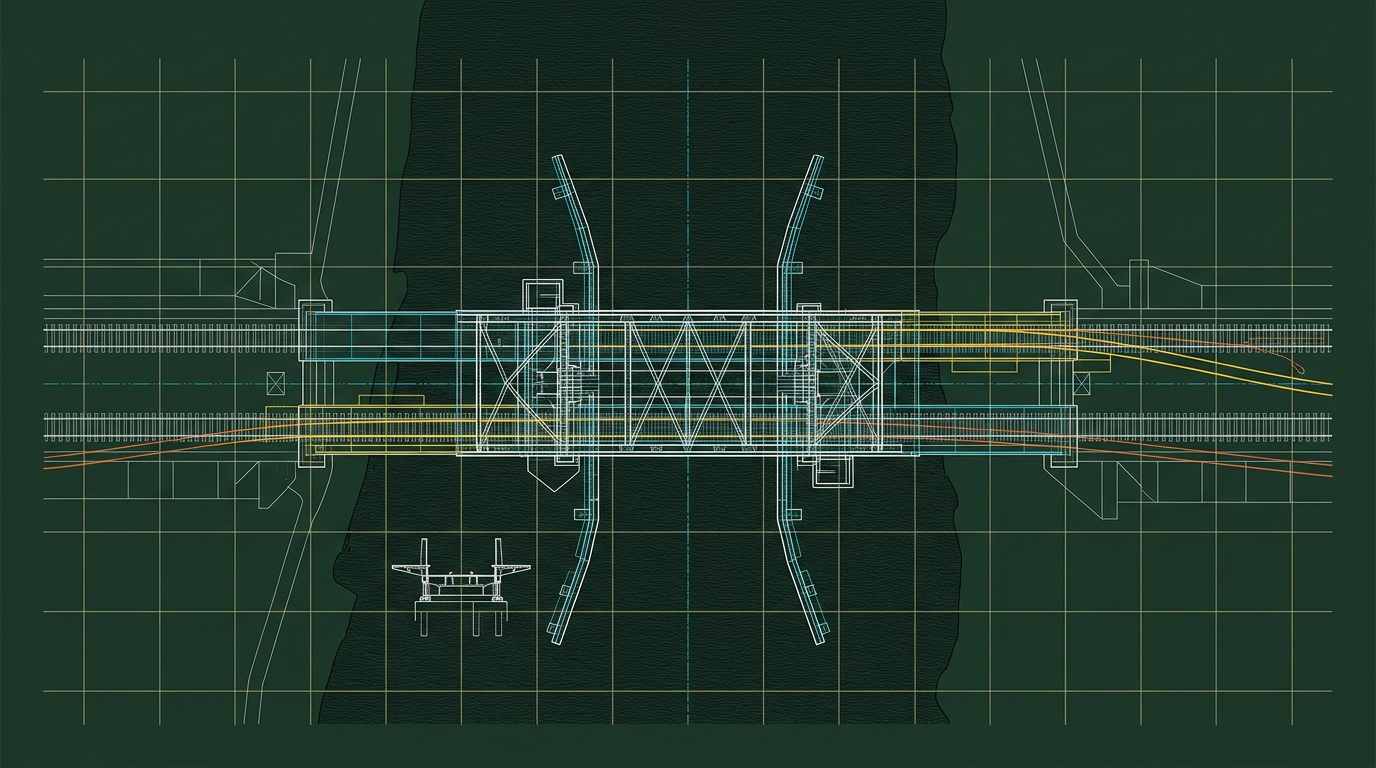
The Walk Bridge, which carries Metro-North's New Haven Line over the Norwalk River, has long been a reliability headache. The moveable span is old, prone to mechanical failures, and when it gets stuck, it can delay thousands of commuters traveling between New Haven and New York City. The federal grant will fund full replacement of the structure with a new bridge designed to handle modern rail traffic while also improving navigation for boats on the Norwalk River.
Two other Metro-North bridges in Norwalk are also slated for replacement: a span over East Avenue near the East Norwalk station, and one over Fort Point Street. Both will be demolished and rebuilt, with track and systems work included.
Beyond Norwalk, the funding touches rail infrastructure across the state. In Stamford, the Metro-North maintenance facility is due for significant upgrades, including a new roof, HVAC replacement, electrical improvements, and a standby generator. A car and diesel shop in New Haven will also be renovated to better support the CTrail fleet.
On the Waterbury Branch, stations in Waterbury, Ansonia, Beacon Falls, and Seymour will get new platforms built to current ADA standards, with improved lighting, security, and passenger amenities. The branch serves communities in the Naugatuck Valley that have limited transit options, and the upgrades are meant to bring aging stations up to modern safety and accessibility requirements.
The total project cost is roughly $354 million, with the federal share covering about 80 percent. Connecticut's Department of Transportation is administering the grants through the federal Section 5307 formula program, which funds transit capital improvements in urbanized areas.
The scale of work varies by project, with some elements already underway and others still in design. The Walk Bridge replacement, in particular, has been years in the making and is one of the most complex rail infrastructure projects in the state's recent history.