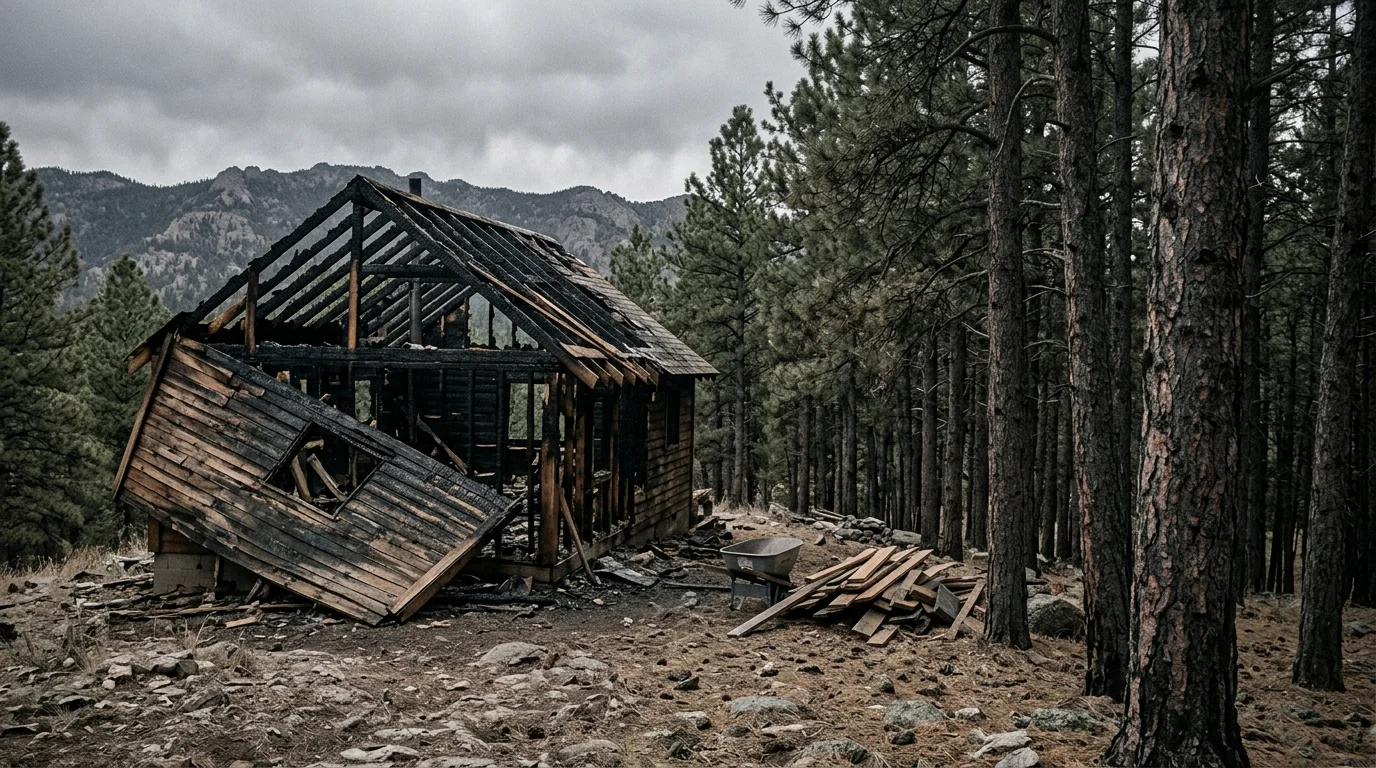
Bailey, Colorado, a small mountain community about 45 miles southwest of Denver, is moving to rebuild after a disaster that has left the unincorporated Park County town in need of significant reconstruction. The nature and full scale of the damage haven't been specified in public documents, but a rebuilding solicitation posted June 12 on the Rocky Mountain Bid System signals that recovery is now formally underway.
Bailey sits at roughly 7,750 feet in the wildland-urban interface, surrounded by national forest and dense ponderosa pine stands that make the Platte Canyon corridor one of the most fire-vulnerable stretches of Colorado's Front Range foothills. The 2002 Hayman Fire, which burned across nearby Park County and was the largest in Colorado history at the time, served as an early warning of what the region faces. Since then, the threat has only grown: hotter temperatures, prolonged drought, and beetle-killed timber have turned large swaths of the Colorado mountains into tinderboxes.
For Bailey, rebuilding carries challenges that go well beyond what a larger city would face. Park County's population is roughly 19,000, and its government operates on a thin budget, relying heavily on property taxes and tourism revenue. Construction costs in mountain communities run significantly higher than on the Front Range, where contractor access and supply chains are easier. And insurance, once the financial bedrock of disaster recovery, has become deeply unreliable in high-risk mountain areas: multiple carriers have reduced coverage or pulled out of Colorado's WUI communities entirely in recent years.
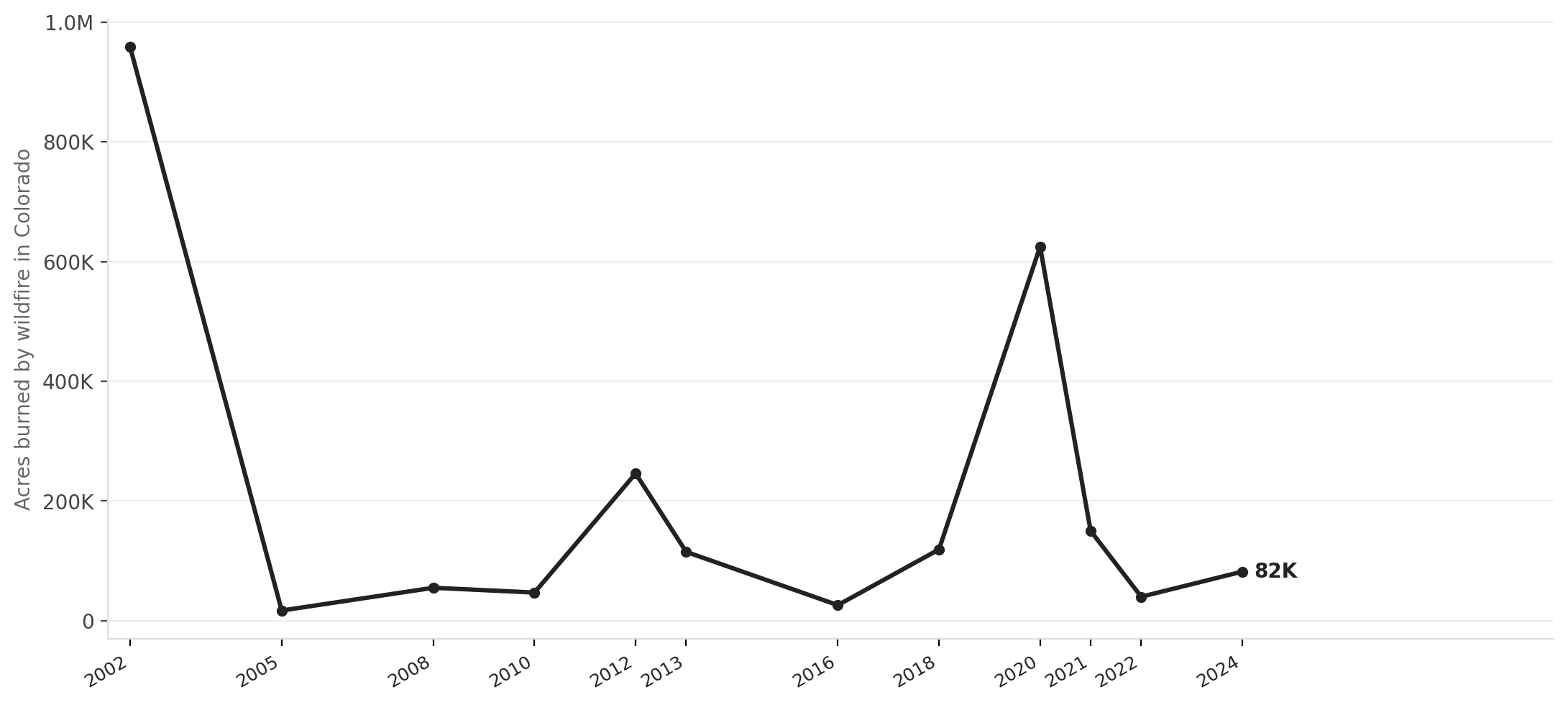
Source: NationGraph.
Those same pressures played out visibly after the 2021 Marshall Fire in Boulder County, which destroyed more than 1,000 homes and set off a grinding recovery marked by permit backlogs, insurance shortfalls, and contractor shortages. Bailey's rebuilding effort is likely to face a similar gauntlet, with fewer local resources to absorb the strain.
Questions about whether to rebuild to stronger fire-resilience standards, including defensible space requirements and updated building codes, add another layer of complexity in a community that has historically favored limited government intervention in property decisions.
It remains unclear which specific disaster triggered the solicitation or how much funding has been secured. Federal programs such as FEMA disaster declarations and HUD's Community Development Block Grant-Disaster Recovery funds are common recovery mechanisms for rural communities, and Colorado's Division of Homeland Security and Emergency Management typically coordinates state-level support. Whether those resources are in place for Bailey has not been confirmed publicly.