Solar procurement in Alaska is running at five times its normal pace right now: eight RFPs issued in the trailing 30 days against a 12-month average of roughly 1.5 per month. The agencies behind those solicitations, stretching from an Anchorage convention center to three roadless villages above the Arctic Circle, share a single calendar entry. On July 4, 2026, one year after the One Big Beautiful Bill Act was signed into law, the federal investment tax credits that make these projects financially viable expire for any project that has not broken ground.
The OBBBA eliminated §45Y and §48E clean electricity tax credits for solar and wind projects unless construction begins by that date. For most taxpayers, that represents a missed deduction. For Alaska Native Corporations, tribal utilities, and rural electric cooperatives, the stakes are different: those entities are tax-exempt and cannot use ordinary credits, but under the IRA's "direct pay" provision they can receive the credit as a cash refund from the Treasury. As the Alaska Center has written, unless projects can begin construction by June 2026, Alaska risks remaining locked into volatile global fuel prices with no federal subsidy backstop. The deadline is, in that sense, existential for a class of buyers that exists almost nowhere else in the country at this scale.
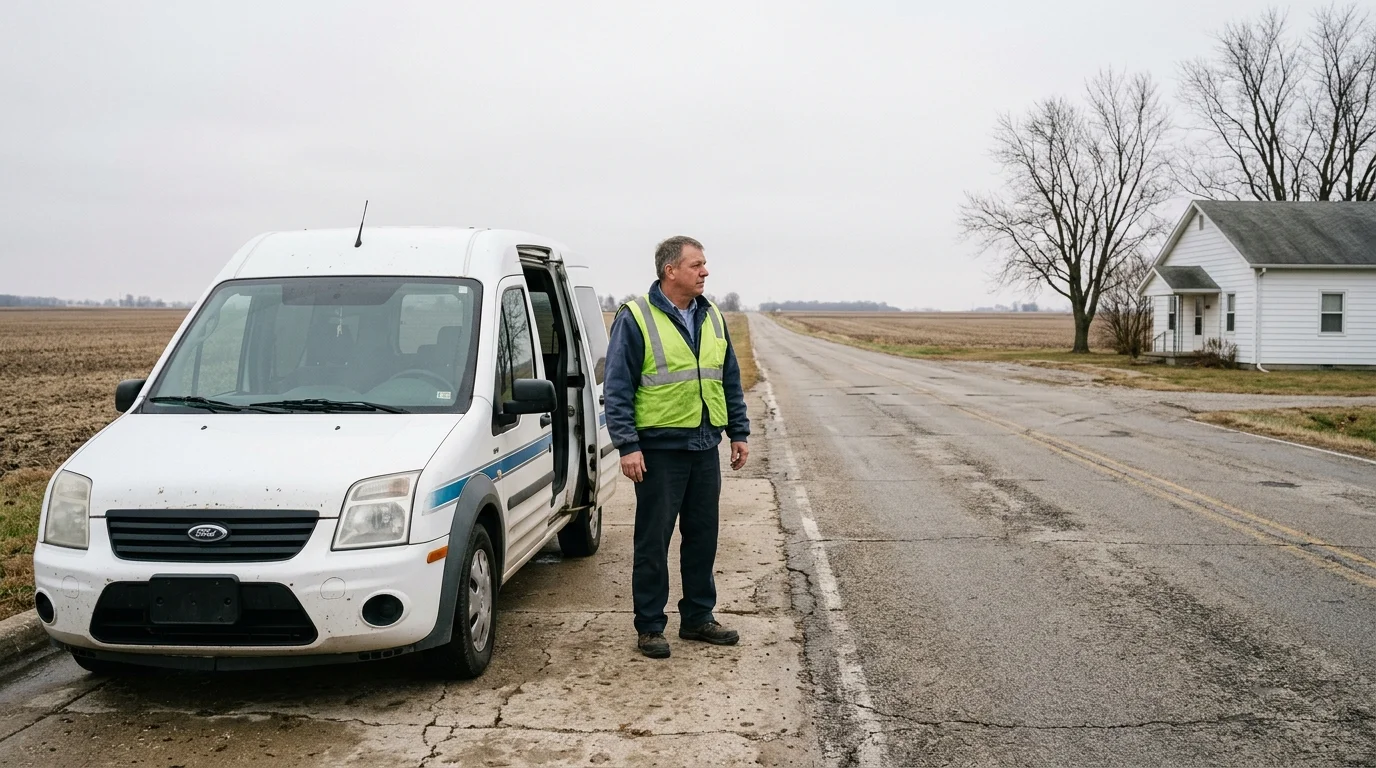
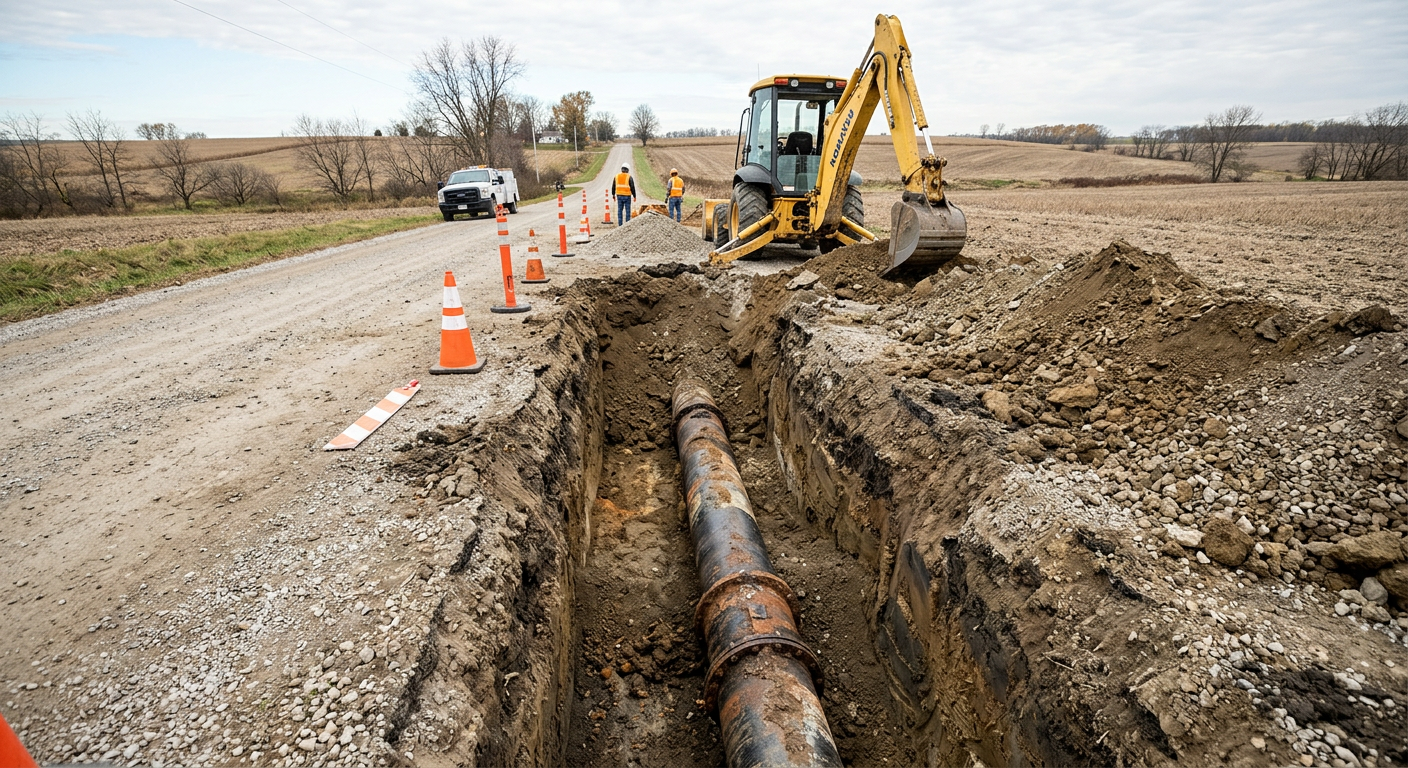
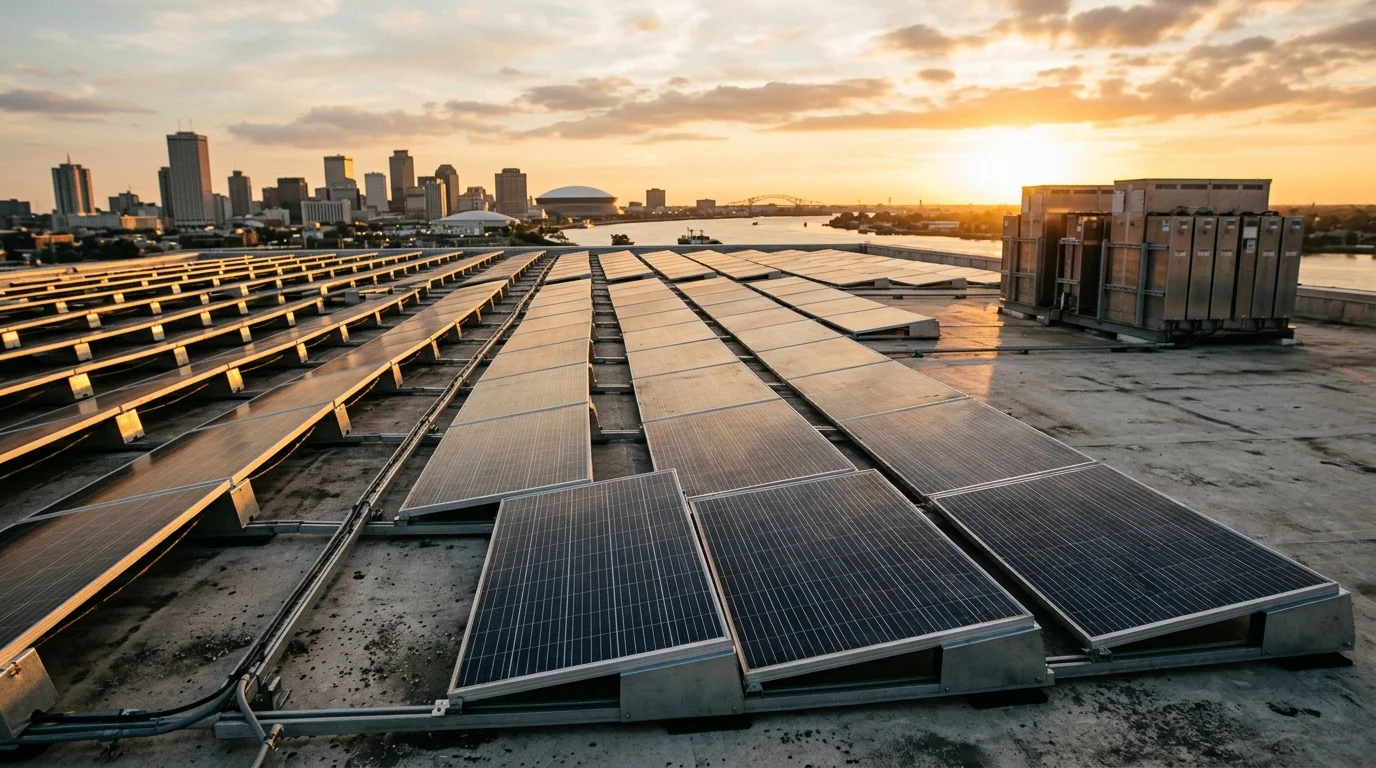
The four distinct procurements now on the table illustrate the geographic breadth of the sprint. The Municipality of Anchorage is expanding the solar array at the Egan Convention Center by 36.4 kilowatts. The City of North Pole and Fairbanks North Star Borough are seeking a design-and-build contractor for solar across multiple municipal facilities. And the Northwest Arctic Borough has issued a multi-village RFP covering Ambler, Kiana, and Noorvik, three communities with no road access and electricity costs sustained almost entirely by diesel generation.
Source: NationGraph.
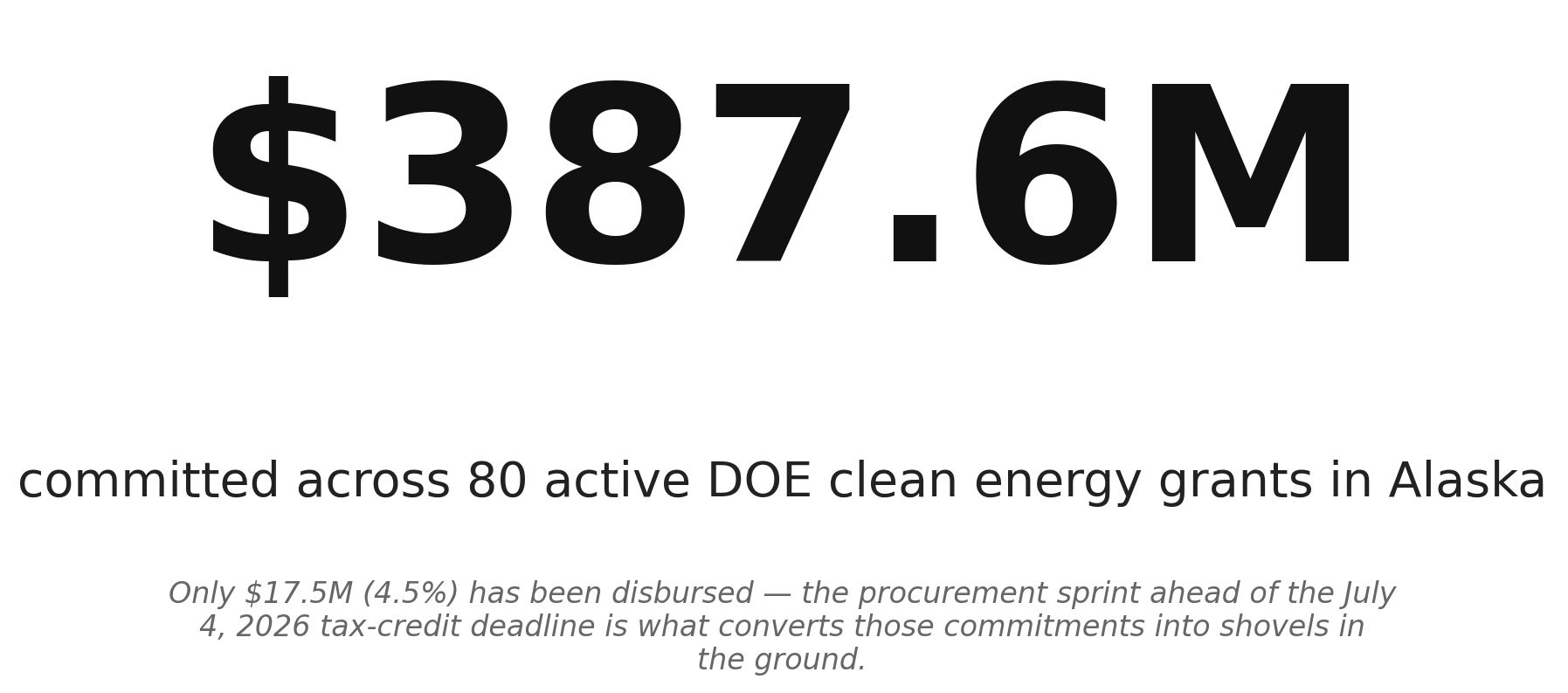
That last project has a visible triggering event. The Northwest Arctic Borough received a $3.44 million DOE Renewable Energy R&D grant with a start date of May 1, 2026, and issued its multi-village solar RFP within weeks. The sequence is a compressed version of how much of the broader wave works: federal money was committed on paper long before it was committed in concrete, and the approaching deadline is now forcing the conversion. DOE holds 80 active clean and renewable energy grants in Alaska totaling $387.6 million in committed funds, of which only $17.5 million has been disbursed. The procurement surge is, by that measure, just beginning.
The regulatory conditions for this sprint were assembled in stages. SB 152, the SAVE Act, signed by Governor Dunleavy in August 2024, made Alaska the first super-majority Republican state to pass community solar enabling legislation. The Regulatory Commission of Alaska's implementing regulations under that bill were due by November 11, 2025, clearing the last procedural hurdle. Chugach Electric followed with a 650-kilowatt community solar array near Anchorage, and GVEA in Fairbanks announced plans to convert an existing array under the new framework. By the time the July 4 countdown became acute, the legal infrastructure was in place.
Alaska's case for solar has always required more explanation than other states: short winter days, vast distances, a small grid. What tends to get overlooked is the economics of the alternative. Remote communities paying diesel prices for electricity can make the math on solar work even at high latitudes. And in Southcentral Alaska, the Cook Inlet natural gas supply crisis, with utilities facing expiring contracts and LNG imports as the fallback, has given solar an urgency that has nothing to do with climate and everything to do with fuel security. REAP's Chris Rose has described solar as essential to stave off that crisis, a framing that appeals across the partisan divide that normally slows renewable energy legislation.
For residents and local officials watching this play out, the next signal is straightforward: which of these procurements will award contracts before July 4, and which will slip. Winning a contract before the deadline does not by itself satisfy the "begin construction" test under IRS guidance; physical work must start. Projects that execute quickly, particularly those with pre-positioned DOE funding like the Northwest Arctic Borough, have a clearer path. Larger or more complex solicitations face more risk.
The $370 million gap between what DOE has committed and what it has disbursed in Alaska suggests that even if some projects miss the July 4 window, the procurement activity will not simply stop. But the direct-pay credits available after that date will be governed by whatever Congress writes next, and at the moment nothing replaces what expires in a matter of weeks.