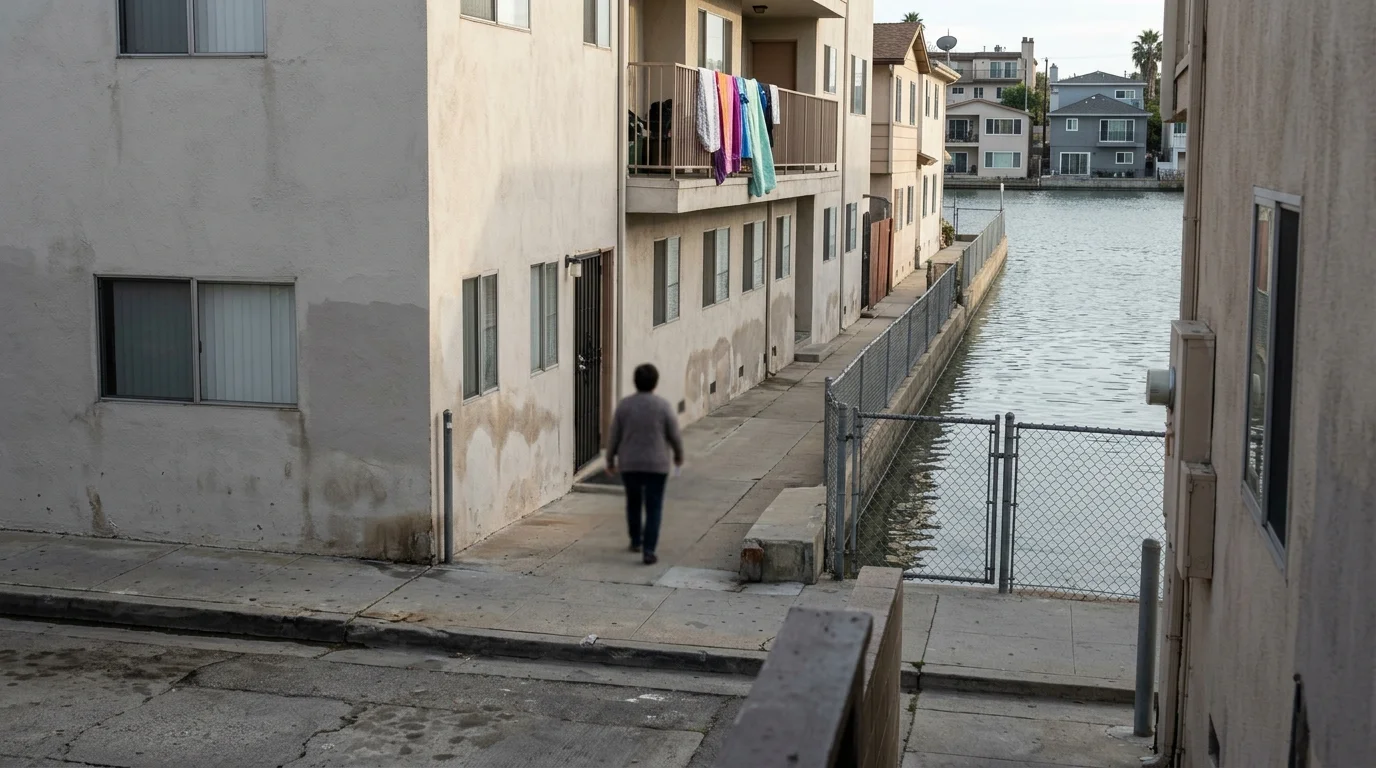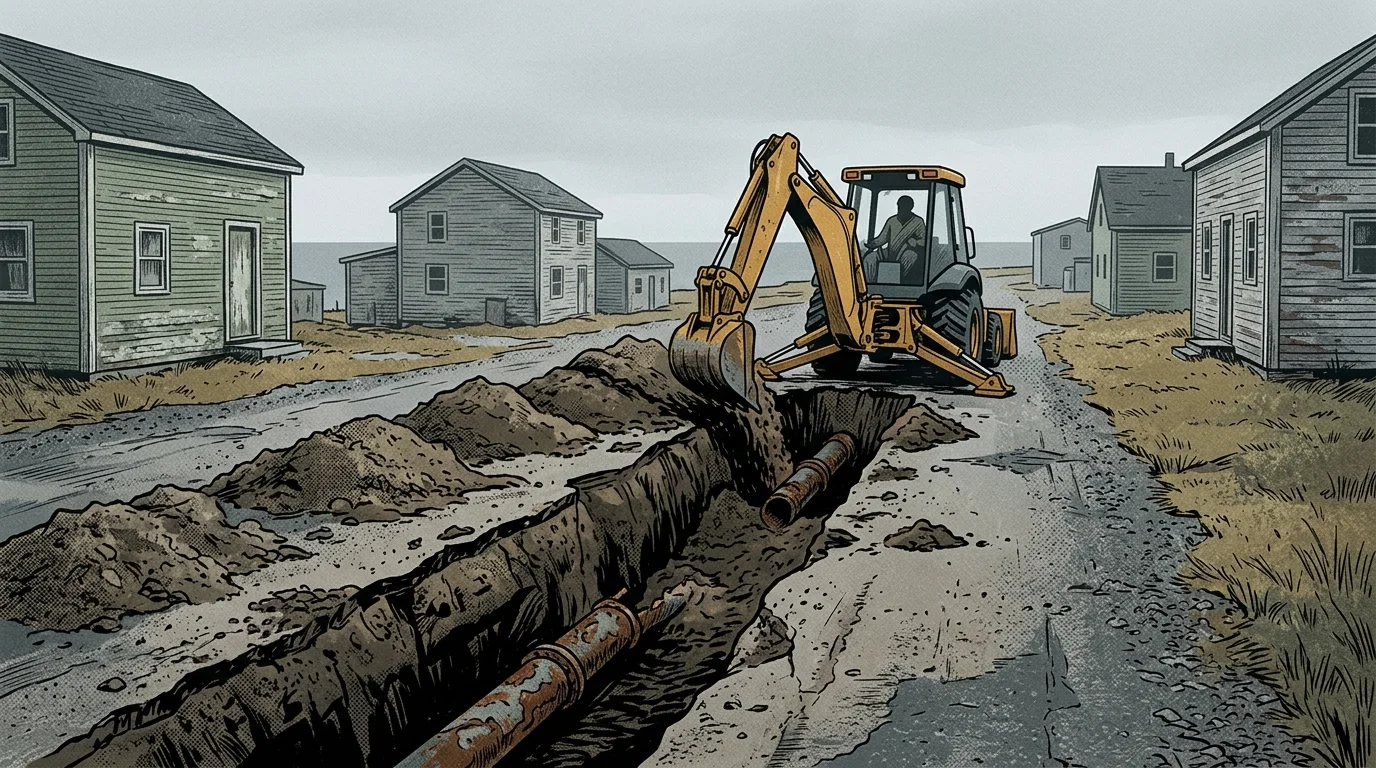
Isle aux Morts, a fishing community of roughly 650 people on the remote southwestern tip of Newfoundland, is pushing ahead with the fourth phase of a long-running effort to replace water and sewer infrastructure that has been deteriorating for decades.
The Government of Newfoundland and Labrador posted the tender on MERX in early August 2026, with construction likely targeting the 2026-2027 season. The work follows three previous phases that have steadily chipped away at the community's aging pipes and treatment systems.
The phased approach reflects a reality familiar to hundreds of small municipalities across Newfoundland and Labrador: there is rarely enough money to fix everything at once. Many of the province's roughly 270 incorporated municipalities, most with fewer than 1,000 residents, are running water and sewer systems installed in the 1970s and 1980s that have long outlasted their intended lifespan. Funding these replacements typically requires cost-sharing between the federal government, the province, and the municipality itself, with each phase requiring its own design process, tendering, and construction cycle.
Isle aux Morts, whose name is French for "Island of the Dead" after the shipwrecks that once dotted its coastline, has faced the same pressures as most outport communities in the province. The collapse of the cod fishery in 1992 gutted the local economy and triggered decades of population decline, steadily shrinking the tax base available to fund basic services. The community now depends heavily on provincial and federal transfers to keep infrastructure going at all.
Harsh coastal weather on the southwest coast compounds the problem. Freeze-thaw cycles and storms accelerate the breakdown of buried pipes, meaning systems that might last longer in milder climates wear out faster here.
Boil-water advisories and aging sewage systems have been chronic problems across rural Newfoundland. The province carries the highest per-capita debt in Canada and faces a shrinking, aging population, but has continued funding municipal infrastructure partly through federal programs like the Investing in Canada Infrastructure Program and the Canada Community-Building Fund.
Reaching Phase 4 represents years of sustained effort by the community and its government partners to keep the project moving forward through multiple budget cycles. Whether additional phases remain after this one has not been publicly confirmed.