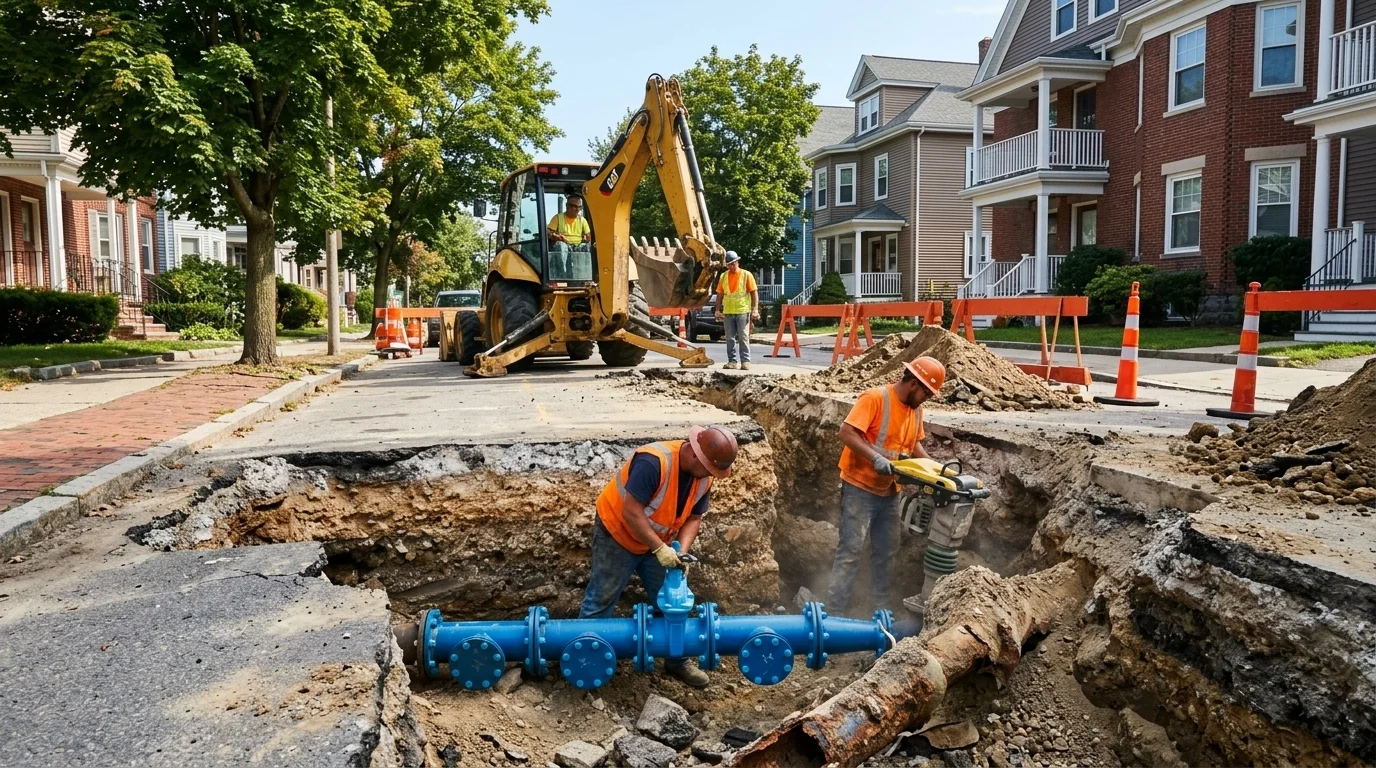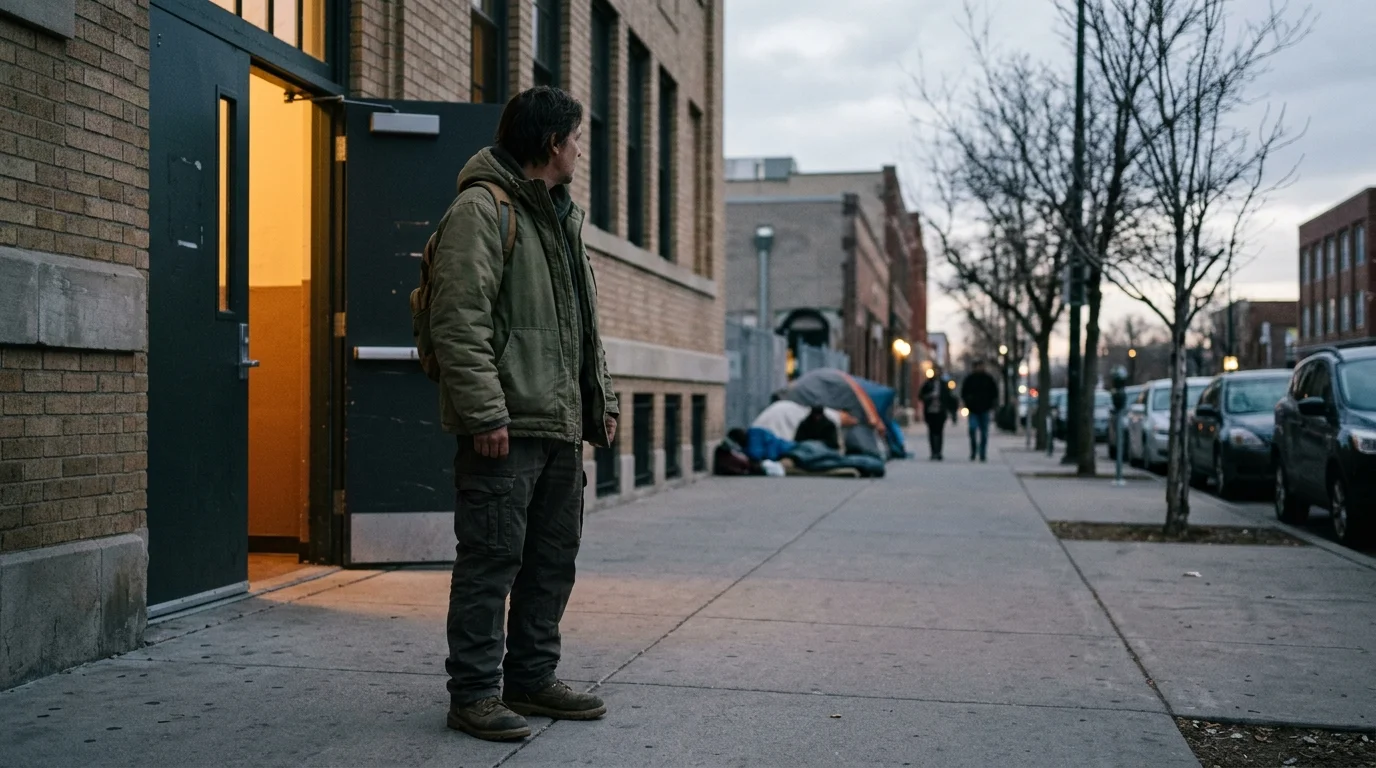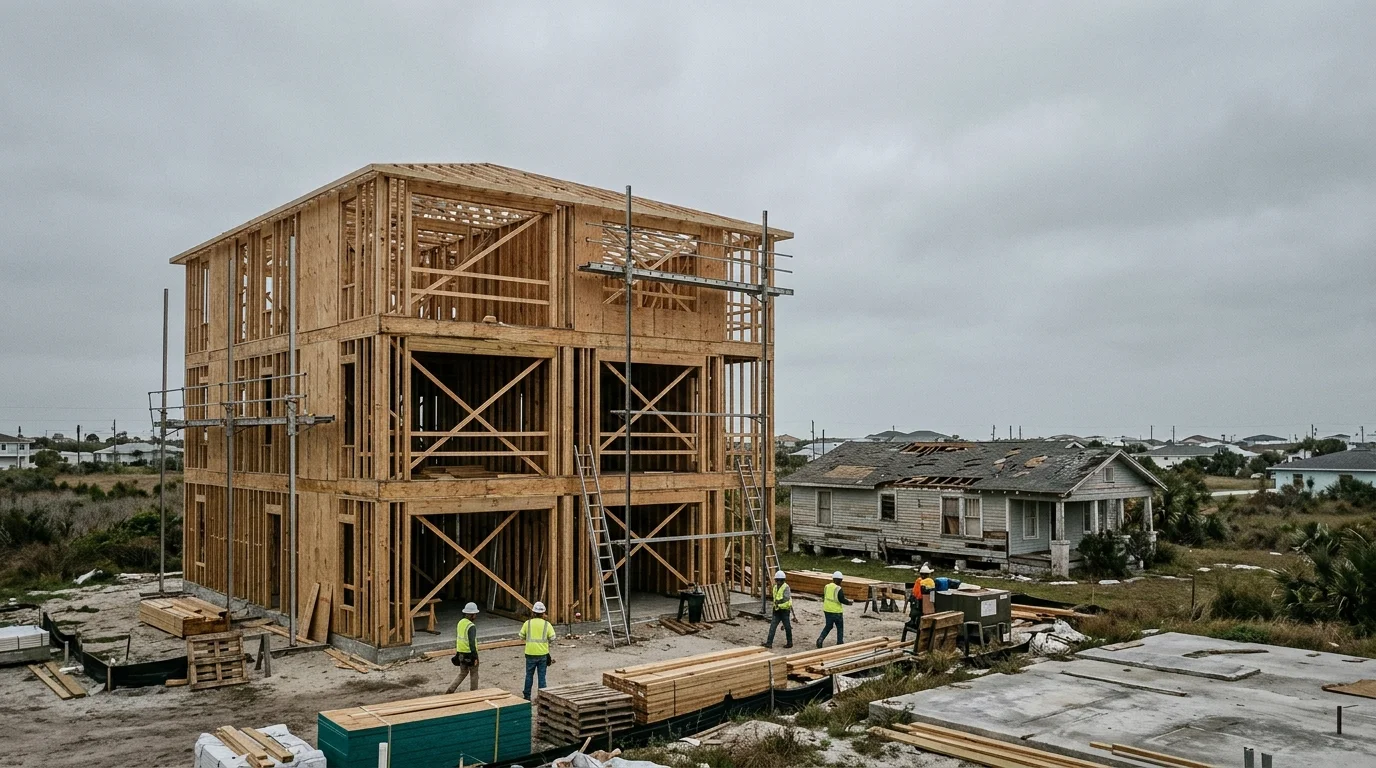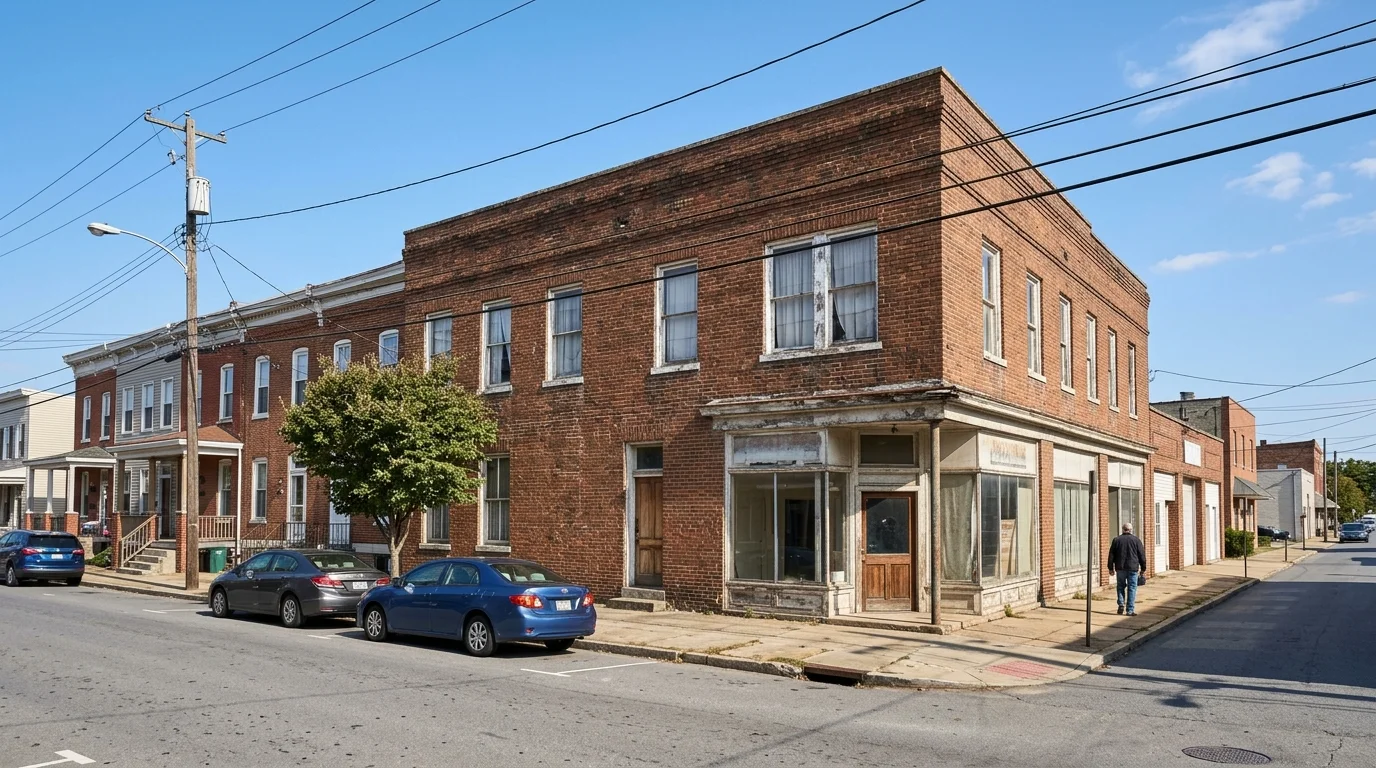
Eleven Virginia localities issued a housing-related RFP in the last 30 days after a gap of at least a year, a count that stood at zero in the same window twelve months ago. In July 2026 alone, 13 distinct institutions put out housing solicitations, triple February's count of four, and August added six more in its first twelve days. The timing is not a coincidence. On July 1, 2026, five bills signed by Governor Abigail Spanberger crossed from statute into enforceable law, and Virginia's local governments started moving.
The core explanation is structural, not political. Virginia is a Dillon Rule state, meaning localities can exercise only the powers the General Assembly explicitly grants them. Before this session, most Virginia cities and counties were legally barred from adopting inclusionary zoning, running performance-based affordable housing grant programs, or fast-tracking rezoning for qualifying affordable developments, not because they lacked the will, but because they lacked the authority. The 2026 General Assembly housing package, which the Virginia Housing Alliance called a historic session for the issue, changed that in one stroke.
The five laws doing the most work are: HB867/SB74 (voluntary inclusionary zoning extended to every locality statewide, sponsored by Sen. Jeremy McPike and Del. Rae Cousins); HB4 (Right of First Refusal for localities on at-risk subsidized housing); HB352 (authorizing Industrial Development Authorities and Economic Development Authorities to run performance-based affordable housing grant programs); HB594 (fast-track rezoning for qualifying affordable developments); and HB854 (property tax exemptions for nonprofit affordable housing providers). Governor Spanberger signed the package in April, setting July 1 as the effective date. The RFP filings are the first measurable proof that the bet is landing.
The activity spans the full geographic breadth of the state in a way that underscores how binding the old constraints were. Falls Church, a high-cost Northern Virginia city, issued its Virginia Village affordable housing redevelopment RFP on June 30, with Jones Lang LaSalle serving as real estate consultant and a council decision expected this fall. That is the kind of public-private deal Falls Church had the capacity to structure before July 1 but lacked clear legal footing to require affordability commitments in. Clifton Forge, a small Southwest Virginia city of roughly 3,300 residents, issued a downtown upper-level housing feasibility study RFP, a municipality with virtually no prior path to this kind of housing action under the old framework. Dumfries issued a housing stock inventory plan RFP. Sussex County, in the rural south-central part of the state, is soliciting housing rehabilitation services. The Virginia Department of Housing and Community Development put out its own building code academy program RFP. These are not the same kind of locality, and that breadth matters: the legislation is activating jurisdictions that had no practical housing procurement pathway before.
The fiscal backdrop reinforces the timing. Virginia holds roughly $19 million in active federal affordable housing grants, through HOME Investment Partnerships programs in Henrico, Prince William, Arlington, Roanoke, and elsewhere, a $4.1 million Housing Trust Fund allocation to DHCD through 2032, and Continuum of Care programs statewide. Those dollars have been sitting on the table. The new statutory tools give localities the procurement and zoning levers to actually structure deals that can draw them down.
The pipeline is unlikely to slow. Two more laws on the same trajectory take effect on future dates: SB531, which mandates ADU allowances statewide, kicks in July 2027, and the Faith in Housing Act (SB388/HB1279), enabling by-right affordable development on land owned by religious organizations, takes effect January 1, 2027. Each deadline functions the same way July 1 did: a date by which localities need procurement, feasibility, and planning work completed if they want to act when the window opens. The August RFP filings already visible in the first twelve days of the month suggest some governments are moving without waiting for the second wave.
For residents in the localities now filing, the practical change is this: their city or county can now structure affordability requirements into development deals, offer tax relief to nonprofit housing providers, and fast-track projects that qualify, tools that previously required a trip to Richmond for permission. Whether those tools produce housing at the scale advocates are hoping for depends on what comes back in response to these solicitations, and on the fall budget cycles that will determine whether the new grant programs get funded. The Falls Church council decision expected this fall is the first significant test case to watch.