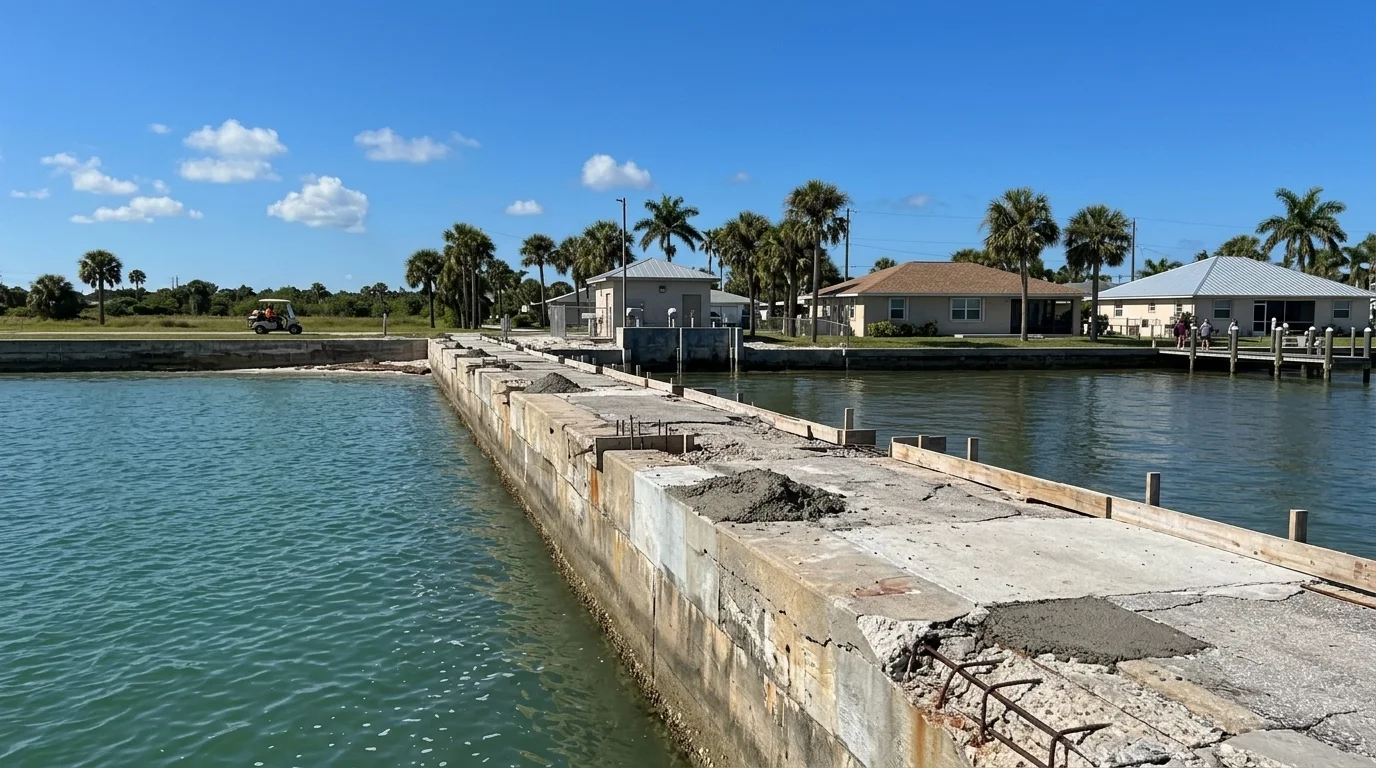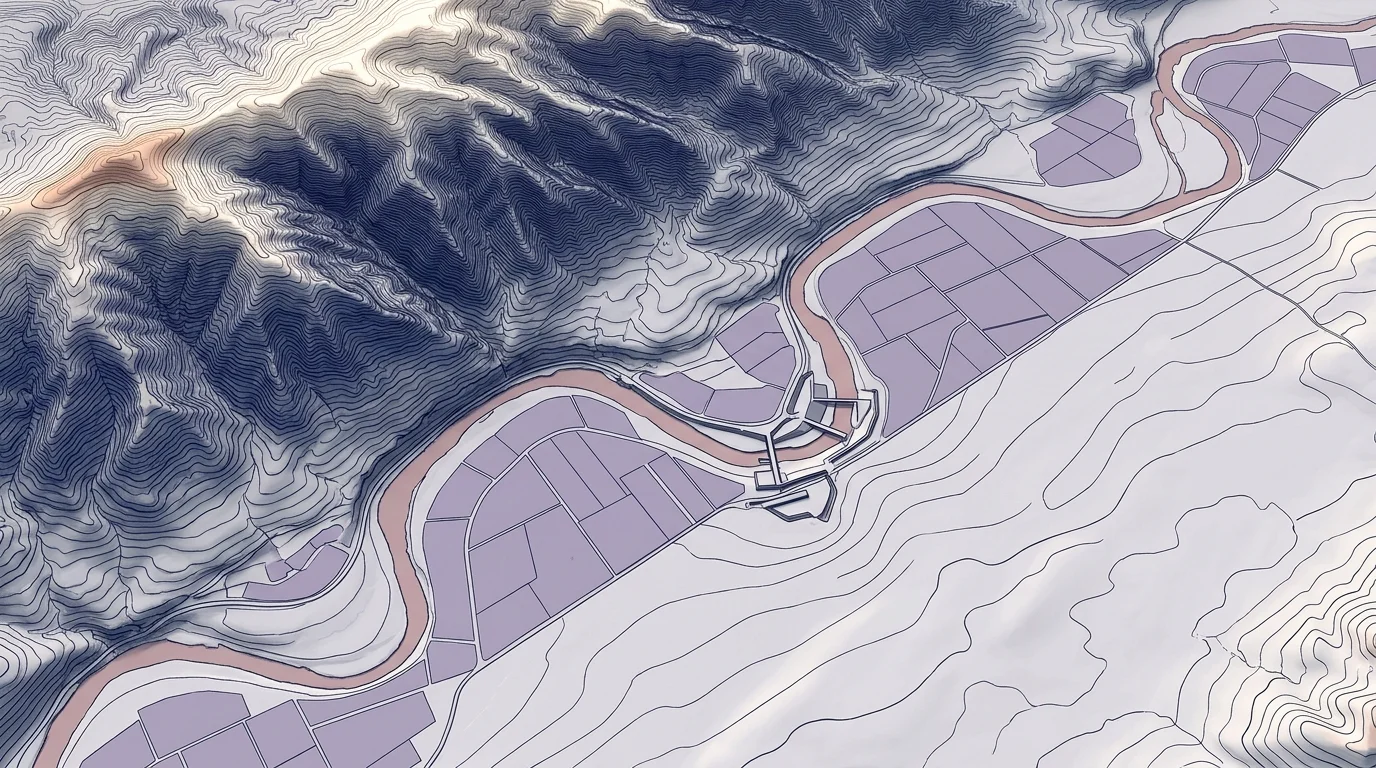
A small irrigation dam on the Clarks Fork of the Yellowstone River near Bridger, Montana is getting a long-overdue upgrade designed to let native fish move freely through one of the state's most productive trout corridors, while keeping water flowing to the ranches and farms that depend on it.
Montana's Natural Resource Damage Program (NRDP) is moving forward with construction at the Orchard Diversion, an aging irrigation structure in Carbon County that has blocked fish migration for decades. The project will add fish passage infrastructure while also modernizing the diversion itself, a dual approach that reflects the political reality of south-central Montana, where irrigated agriculture and a blue-ribbon fishery share the same water.
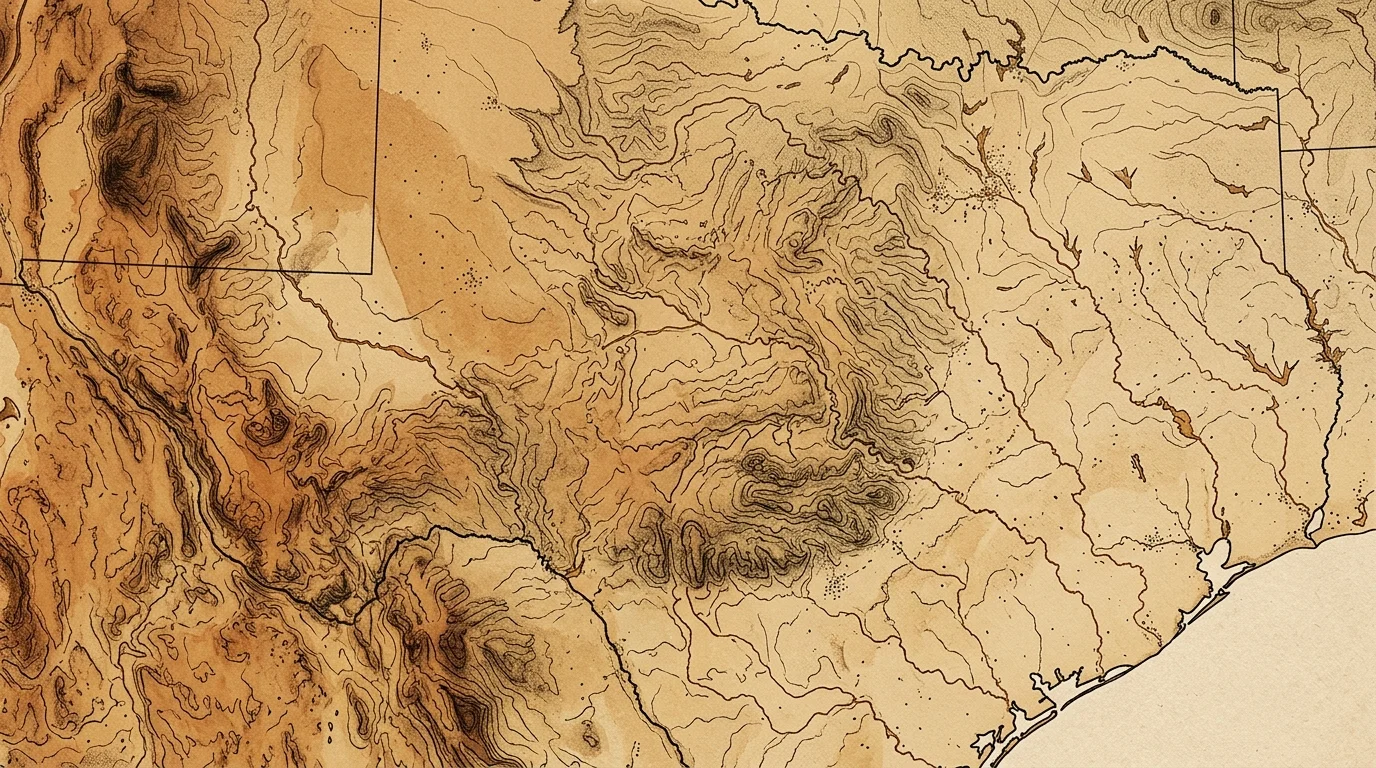
The Clarks Fork historically supported robust populations of Yellowstone cutthroat trout, a native species whose range has shrunk dramatically due to passage barriers, habitat loss, and competition from non-native fish. Carbon County, at the foot of the Beartooth Mountains, sits along a critical ecological corridor linking protected headwaters to the Yellowstone River mainstem. Restoring fish movement through structures like the Orchard Diversion is considered one of the highest-leverage actions for recovering cutthroat populations.
Funding for the project comes through NRDP, the state program created to administer more than $765 million in settlements won from Atlantic Richfield Company (ARCO, now BP) over natural resource damages caused by copper mining and smelting around Butte and Anaconda going back to the 1880s. Though the Clarks Fork of the Yellowstone is a distinct waterway from the upper Clark Fork near the old mining sites, NRDP's restoration mandate covers aquatic resource recovery across Montana, and fish passage projects have been a consistent priority for settlement dollars.
Rather than removing the diversion entirely, the project takes the approach that has become standard in the West: retrofit the structure so it maintains irrigation delivery while allowing fish to pass upstream and downstream. It is a compromise that has helped projects like this one move forward without triggering the water-rights conflicts that make outright dam removal contentious in agricultural communities.
The fact that NRDP is now seeking a construction contractor signals the project has cleared design and permitting hurdles and is ready to break ground. A timeline for completion has not been publicly announced, but construction on projects of this type in Montana typically runs through the summer and fall to avoid high-water periods.