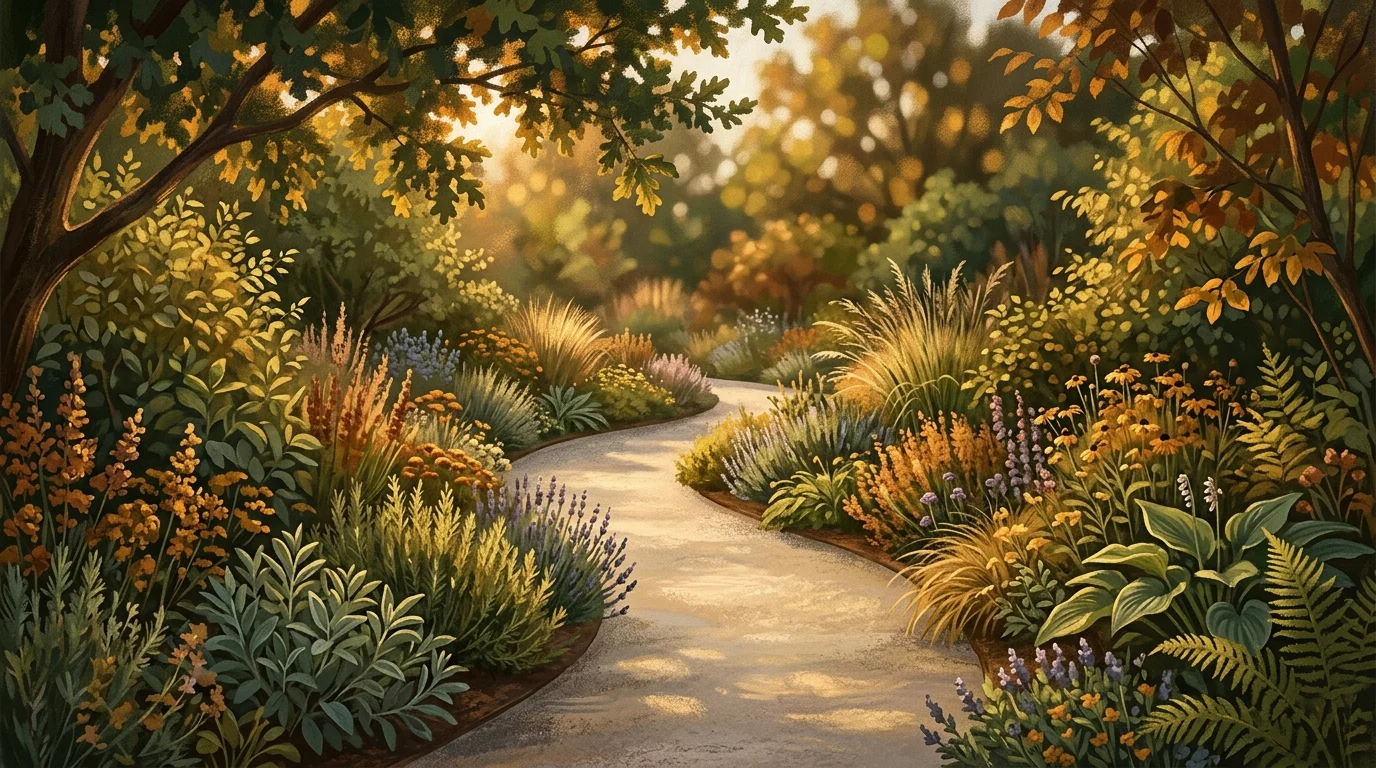
Warrensburg, Missouri is building its first sensory garden trail at Hawthorne Park, a project aimed at residents who have long had few options in the city's public green spaces: autistic children, veterans living with PTSD, people with dementia, and others whose sensory needs standard parks don't address.
The city's Parks & Recreation department is now seeking construction bids for the trail, which will feature elements designed to engage touch, smell, sound and sight rather than just visual aesthetics. Specific details on trail length, plantings, and accessible features were not publicly available in the posted solicitation.
Warrensburg, a city of about 20,000 roughly an hour southeast of Kansas City, has two communities that make this kind of investment particularly meaningful. Whiteman Air Force Base sits just east of town, and the military families it brings include a disproportionate share of children enrolled in special education and veterans managing traumatic brain injuries and PTSD. The University of Central Missouri, with its well-regarded special education and occupational therapy programs, adds another large constituency with direct ties to sensory and therapeutic design.
Source: NationGraph.
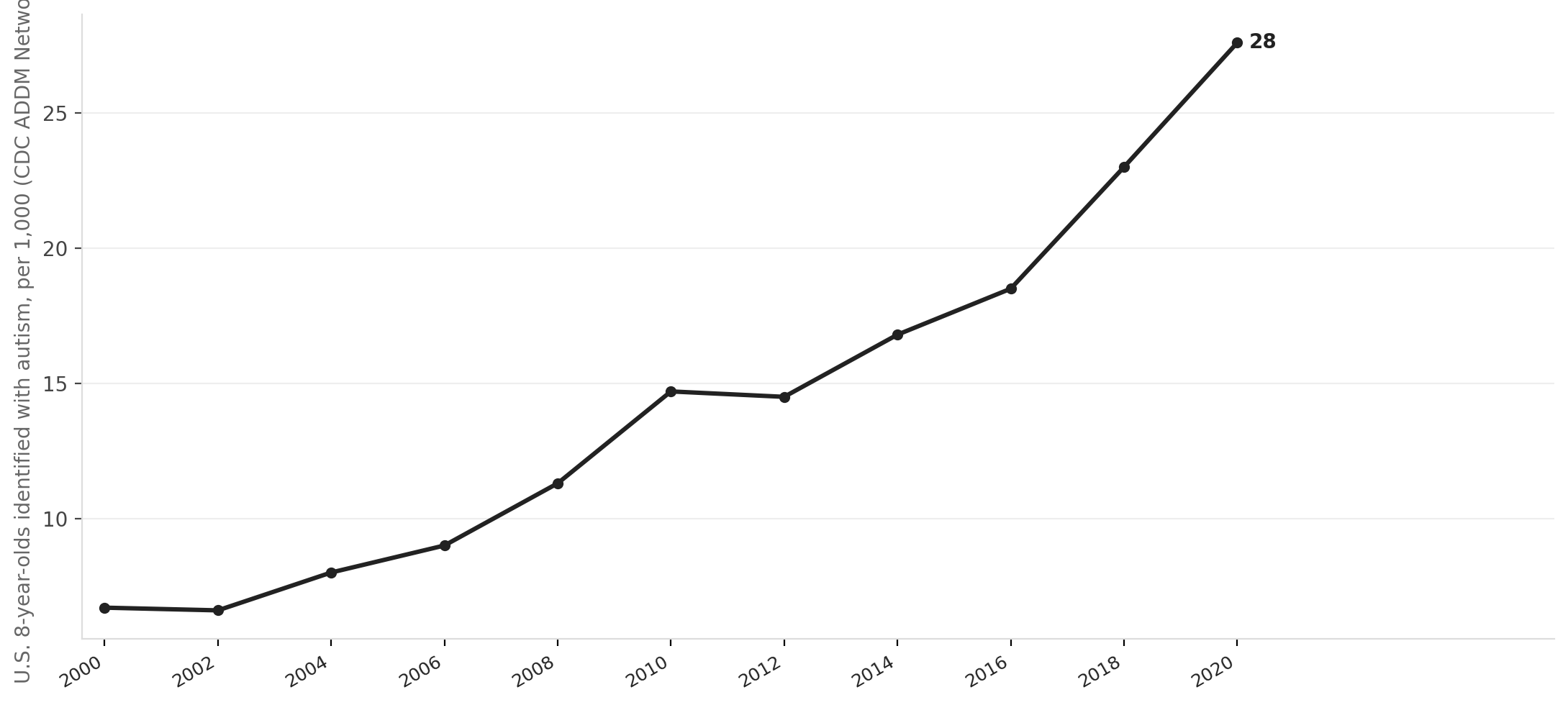
The project fits a broader national trend. As coverage of the Warrensburg sensory trail effort has noted, small and mid-sized cities across Missouri and the country have been rethinking who public parks are actually built for. The CDC now estimates 1 in 36 children is autistic, up from 1 in 150 in 2000, and growing awareness of sensory processing disorders has driven demand for spaces that go beyond playgrounds and ball fields. Federal accessibility standards updated in 2010 and 2013 pushed parks departments to do more, and therapeutic horticulture practices once confined to veterans' hospitals and memory-care facilities have increasingly moved into public settings.
The funding source for Warrensburg's trail has not been publicly disclosed in the available bid documents. Projects of this type in Missouri commonly draw on a mix of municipal capital budgets, federal Community Development Block Grants, Missouri Land and Water Conservation Fund allocations, and local philanthropy from Rotary clubs or hospital foundations.
Contractor selection will follow the city's competitive bid process. Once a contractor is chosen and construction begins, Warrensburg residents will be able to see what a park designed for everyone, not just the able-bodied majority, actually looks like.