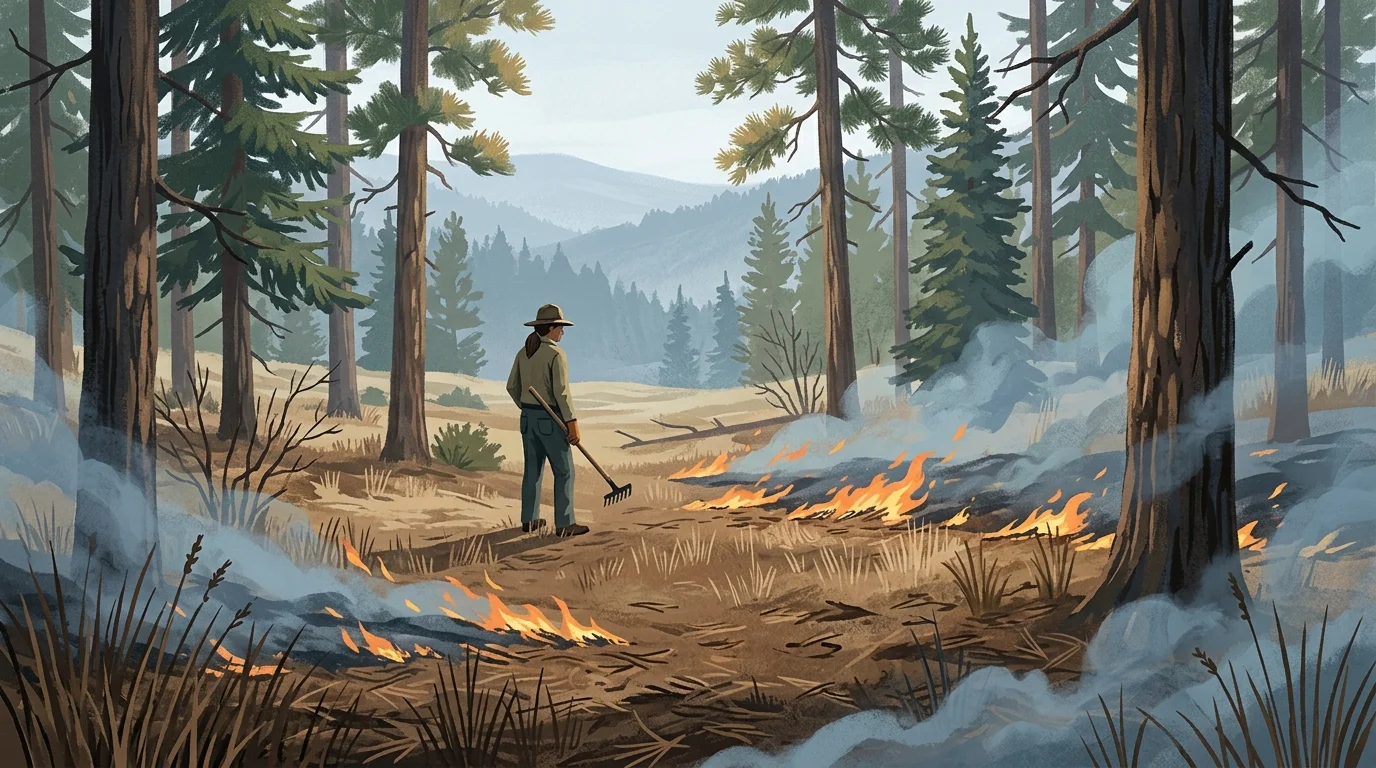
Chelan County, Washington has survived some of the worst wildfires in state history. Now the county is trying to reintroduce the very tool that a century of fire suppression policy stamped out: intentional, controlled burning. The hardest part, it turns out, is not lighting the fire. Convincing private landowners to let it happen is.
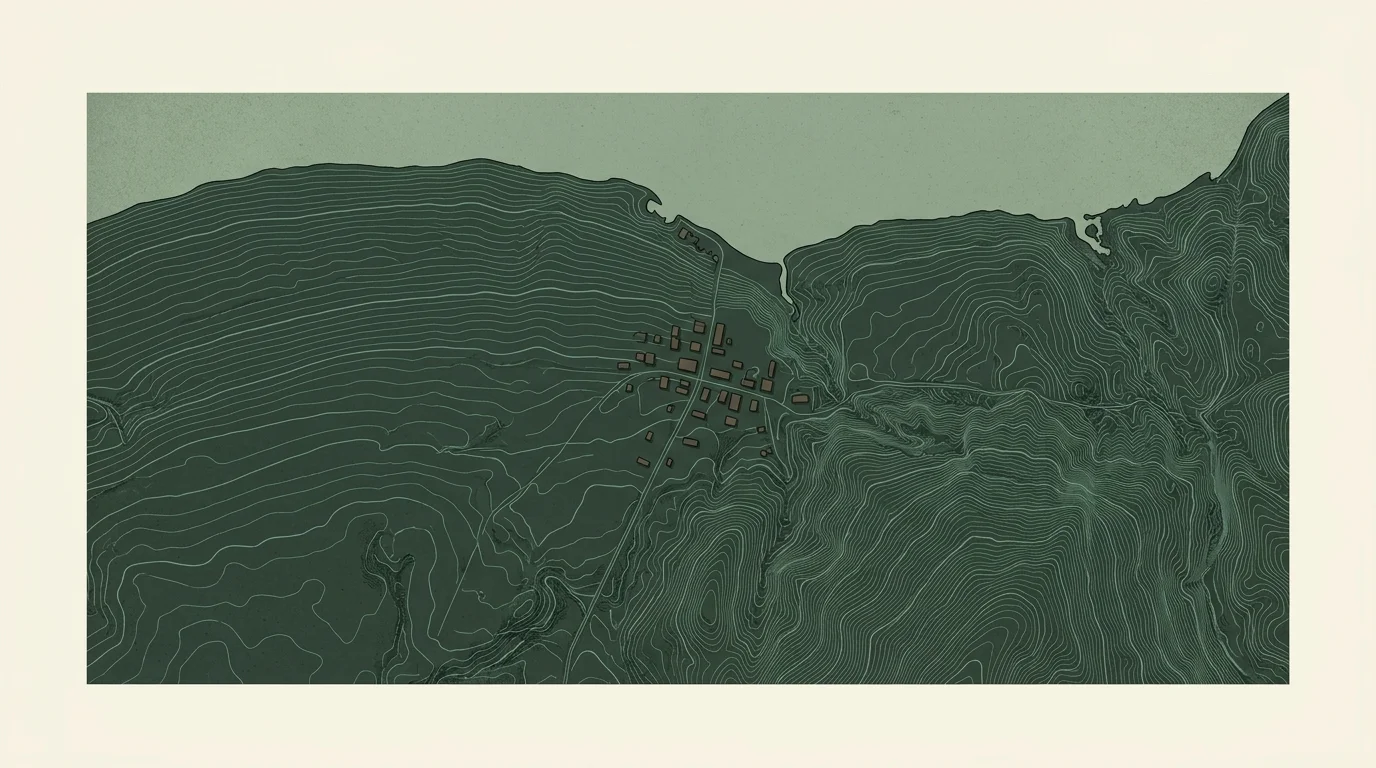
The Cascadia Conservation District, a local non-regulatory agency serving the county, is hiring a contractor to run a prescribed fire outreach and education program aimed at private landowners across Chelan County's roughly 2,920 square miles of forest, farmland, and wildland-urban interface. The work is funded by the Washington State Conservation Commission and the Washington Department of Natural Resources, and the full qualifications request is posted on the district's website.
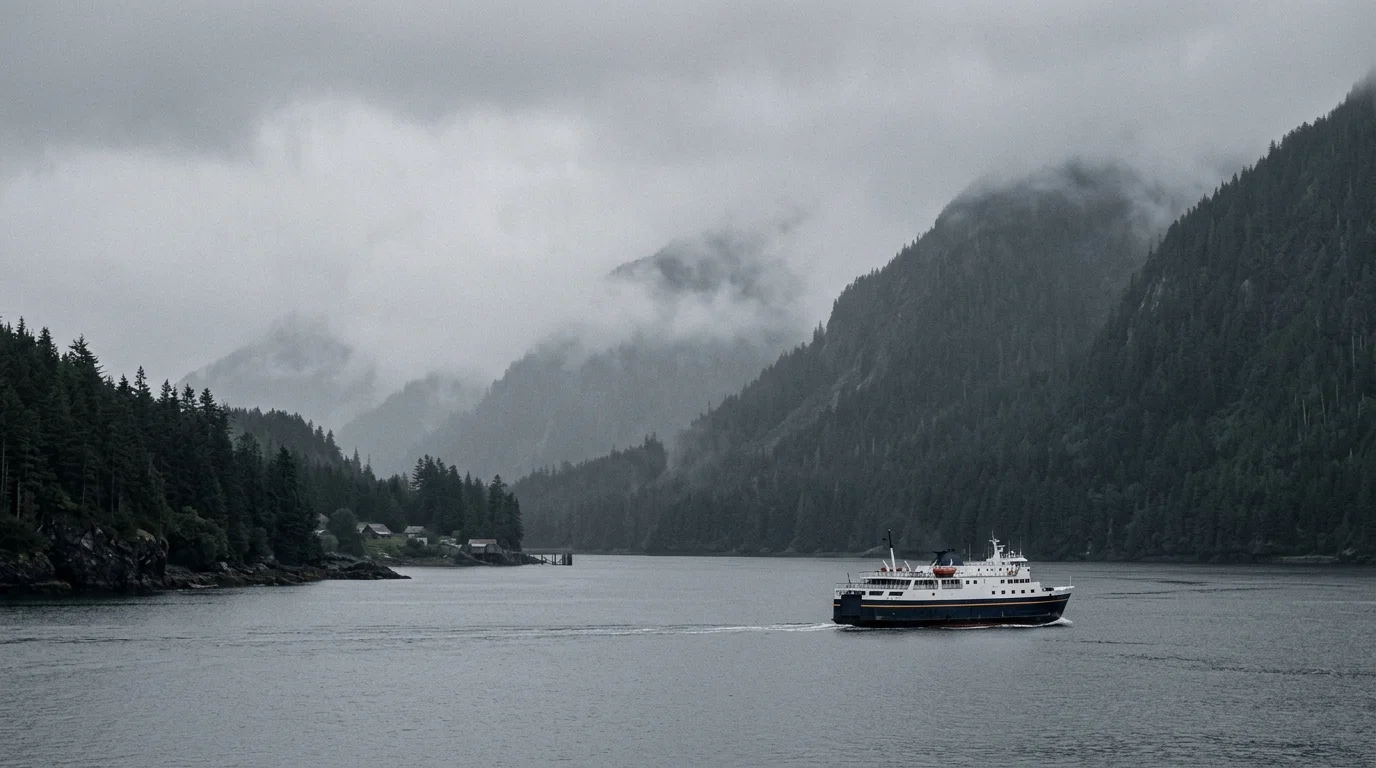
The stakes are high. Chelan County sits in the Cascade Range, where communities like Leavenworth and lakeside towns along Lake Chelan and Lake Wenatchee have expanded into forests packed with a century's worth of unburned fuel. Wenatchee regularly records some of the worst summer air quality in the nation during fire season. The 2015 Wolverine Fire, the 2017 Jack Creek fire and the 2021 Cedar Creek fire, which threatened Leavenworth and the remote community of Stehekin, are recent chapters in a long and costly story.
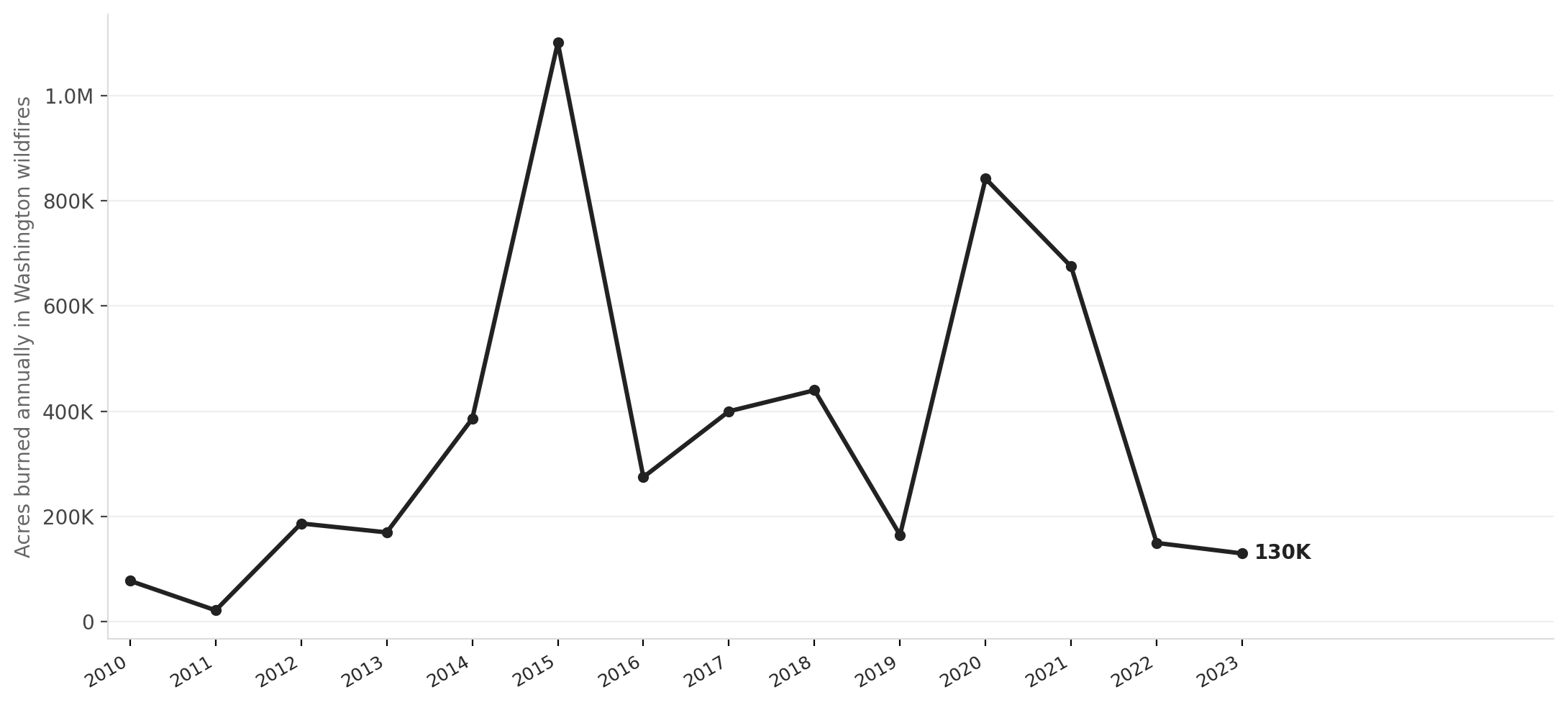
Source: NationGraph.
About 40% of Washington's forestland is privately owned, and that private land is a critical gap in regional fire management. Public agencies can treat federal and state forests, but without landowner participation, those efforts leave islands of unburned fuel that can overwhelm containment lines. Prescribed fire on private land requires willing owners, trained burn managers and community acceptance, none of which can be mandated.
That last point matters especially in Chelan County, which leans politically conservative and has a strong private property culture. Outreach efforts that feel like top-down pressure tend to backfire. The education-first approach is designed to meet landowners where they are, explaining why a planned burn on a cool spring day is far preferable to an August crown fire racing toward an orchard town.
Washington has built significant policy scaffolding for this moment. A 2023 state law created a certified burn manager program that clarified liability for private burns, and a 2021 legislative package committed roughly $125 million per biennium to wildfire response and forest restoration, with prescribed fire as an explicit priority. Federally, Chelan County sits within the Central Washington Initiative, one of 21 landscapes the U.S. Forest Service named as national priorities under its Wildfire Crisis Strategy.
The contract value has not been disclosed. Cascadia Conservation District plans to select a contractor by June 7, with scope of work development and contracting beginning mid-June.