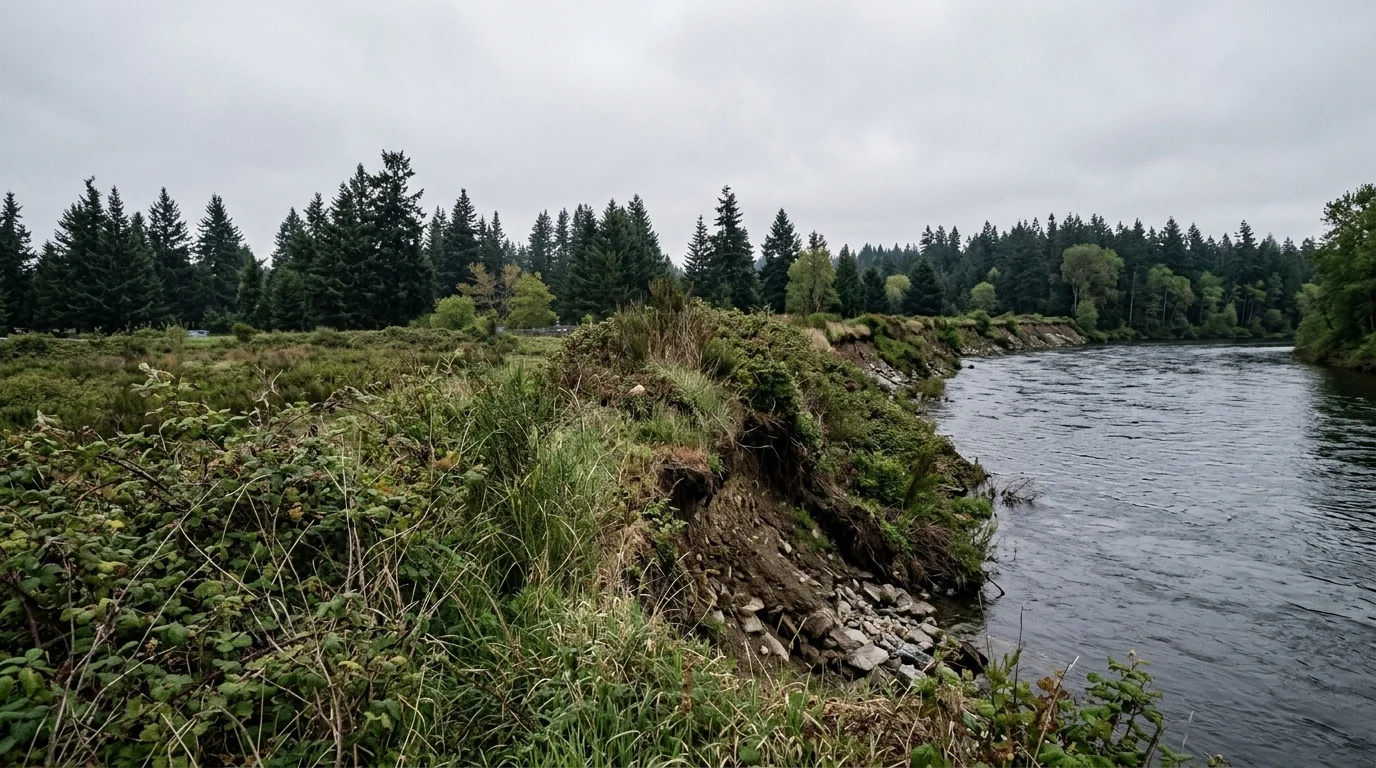
Northern Vermont is getting a floodplain restored along Polly Hubbard Road, part of a growing state strategy to reduce flooding and clean up Lake Champlain by letting rivers reclaim the land they naturally occupied before farms and roads pushed them aside.
The project, sponsored by Friends of Northern Lake Champlain, a nonprofit focused on the Missisquoi Bay watershed, is the kind of work Vermont has been scaling up amid back-to-back catastrophic floods in July 2023 and July 2024 that devastated central and northern communities. Rather than armoring streambanks or rebuilding berms, floodplain restoration regrades banks and reconnects a stream to its historic floodplain, so floodwaters spread out, slow down, and drop sediment before reaching downstream roads, villages and the lake. Vermont's Department of Economic Development has posted the project for contractor bids, with the full scope, acreage and budget available in the bid documents.
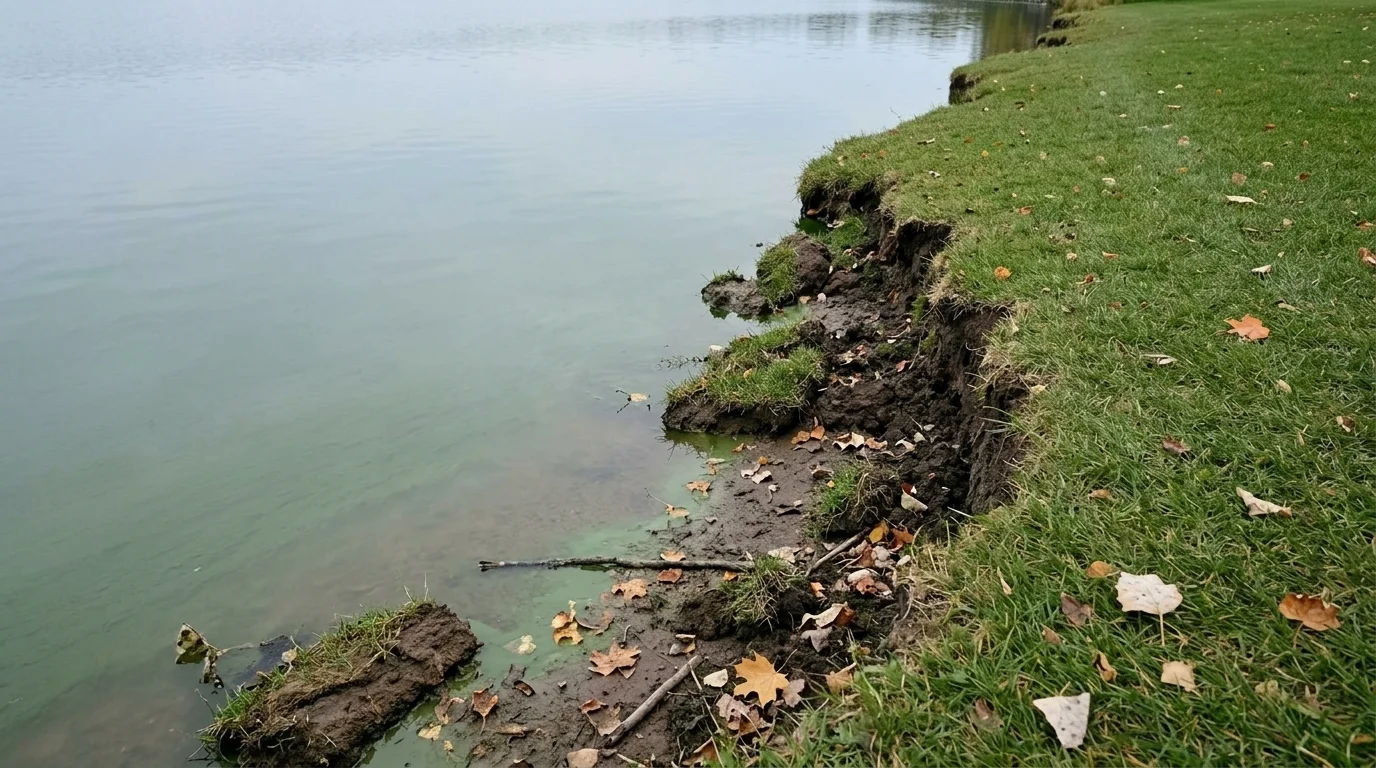
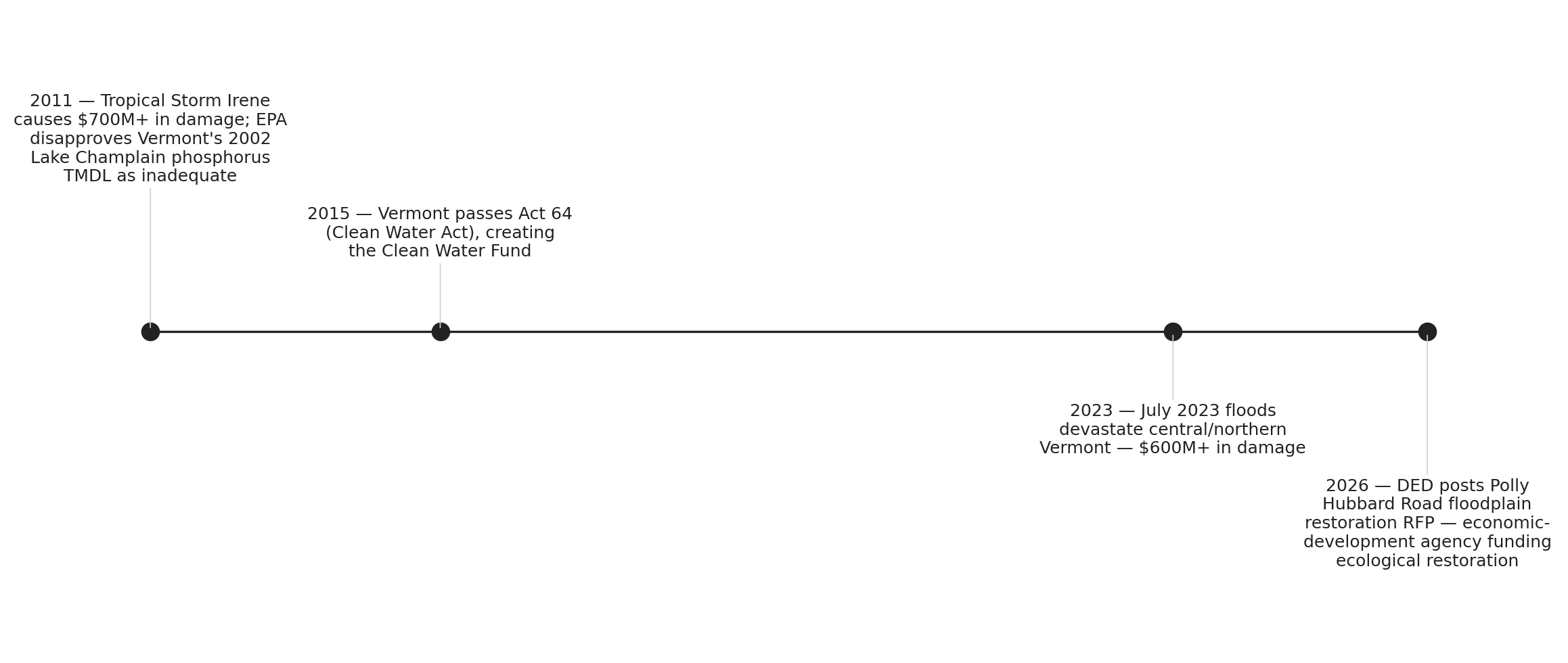
The location matters. The northern Champlain basin, particularly Missisquoi Bay, is the epicenter of the lake's phosphorus problem. Decades of agricultural and stormwater runoff have fueled toxic cyanobacteria blooms that regularly close the bay to swimming and boating. A 2016 EPA mandate requires Vermont to cut phosphorus loading into the lake by roughly 34%, a target the state has spent more than a billion dollars working toward amid criticism from environmental groups over the pace of progress. Floodplain restoration is one of the most cost-effective tools in Vermont's phosphorus-reduction toolkit: healthy floodplains trap sediment and the phosphorus bound to it before it reaches the water.
Source: NationGraph.
The fact that DED, an economic development agency, is running this project rather than the Agency of Natural Resources reflects how Vermont has reframed flood resilience after the 2023 and 2024 disasters. Floodplains are no longer treated as environmental amenities. They are infrastructure, protecting roads, farms and tax bases from floods that were once called once-in-500-years but have now struck twice in two years.
Vermont faces pressure on multiple fronts as it tries to execute this kind of work at scale. As this outlet has reported, an engineer shortage is already straining Vermont municipalities trying to meet stormwater compliance deadlines, and floodplain restoration projects compete for the same limited pool of contractors and environmental consultants.
The Polly Hubbard Road project is now open for contractor proposals. No timeline or completion date has been publicly announced.