Ten Texas institutions issued a housing-category RFP for the first time in over a year during the past 30 days, and most of them are not yet building a single unit. They are hiring someone who can help them apply to build one.
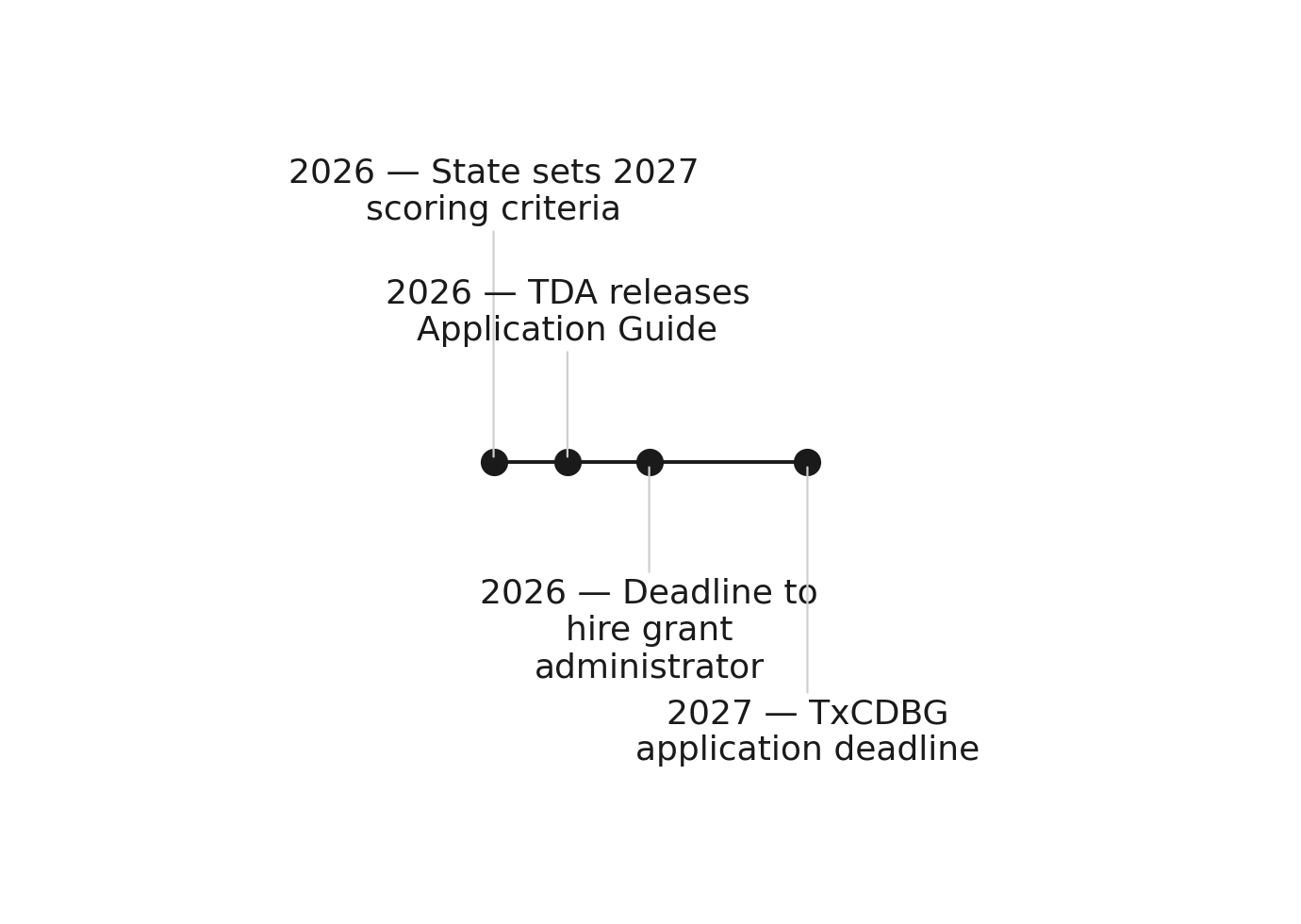
The procurement surge is a direct consequence of how Texas channels federal housing money to its smallest communities. The Texas Department of Agriculture runs the TxCDBG Community Development Fund, which funnels federal CDBG dollars from HUD to cities under 50,000 residents and counties under 200,000 non-metropolitan population, places too small to receive HUD funds directly. The program runs on a two-year cycle. The TDA's Application Guide for the 2027-2028 cycle is releasing this September, applications are due in December 2026, and the Unified Scoring Committee met September 2 to finalize statewide scoring criteria. TDA is advising communities to complete grant administrator procurement at their October 2026 council meetings. Miss that window, and a community sits out until 2029.
That deadline explains the geographic spread of the institutions filing RFPs. They come from East Texas (Lone Star, in Morris County), the Gulf Coast (Point Comfort in Calhoun County, and the Port of Port Arthur Navigation District), the Rio Grande Valley (Hidalgo County Housing Authority), and Central Texas (Eagle Lake in Colorado County, Hopkins County Hospital District in Sulphur Springs). No single regional disaster or emergency program connects them. The common denominator is the biennial clock.
Source: NationGraph.
The RFPs fall into two recognizable shapes. Walker County Housing Authority issued solicitations for grant administration services covering both the 2027 and 2028 CDBG cycles simultaneously, a belt-and-suspenders move that locks in capacity across the full biennial window. Eagle Lake filed a similar grant administration RFP for its 2027 and 2028 Community Development Fund applications. These communities are not yet procuring construction; they are procuring the expertise required to compete for the money that would fund construction. The max award under TxCDBG is $750,000 per community per cycle, meaningful for a town of a few thousand residents, but only reachable after an administrator is on contract.
A second cluster of RFPs reflects actual construction activity layered on top of the administrative preparation. Lone Star is soliciting bids for up to three new single-family homes. Hidalgo County Housing Authority is advertising demolition and reconstruction of four units. These solicitations suggest communities that have already secured funding from a prior cycle and are now executing, while simultaneously preparing the administrative infrastructure to compete for the next round.
Point Comfort is the outlier in the group. The Calhoun County city, with a population of roughly 549, is advertising development of a 97-acre bayfront mixed-housing parcel. That scale goes well beyond what TxCDBG's $750,000 cap could finance on its own, suggesting the community is pursuing a broader development strategy that may involve multiple funding sources or private partners.
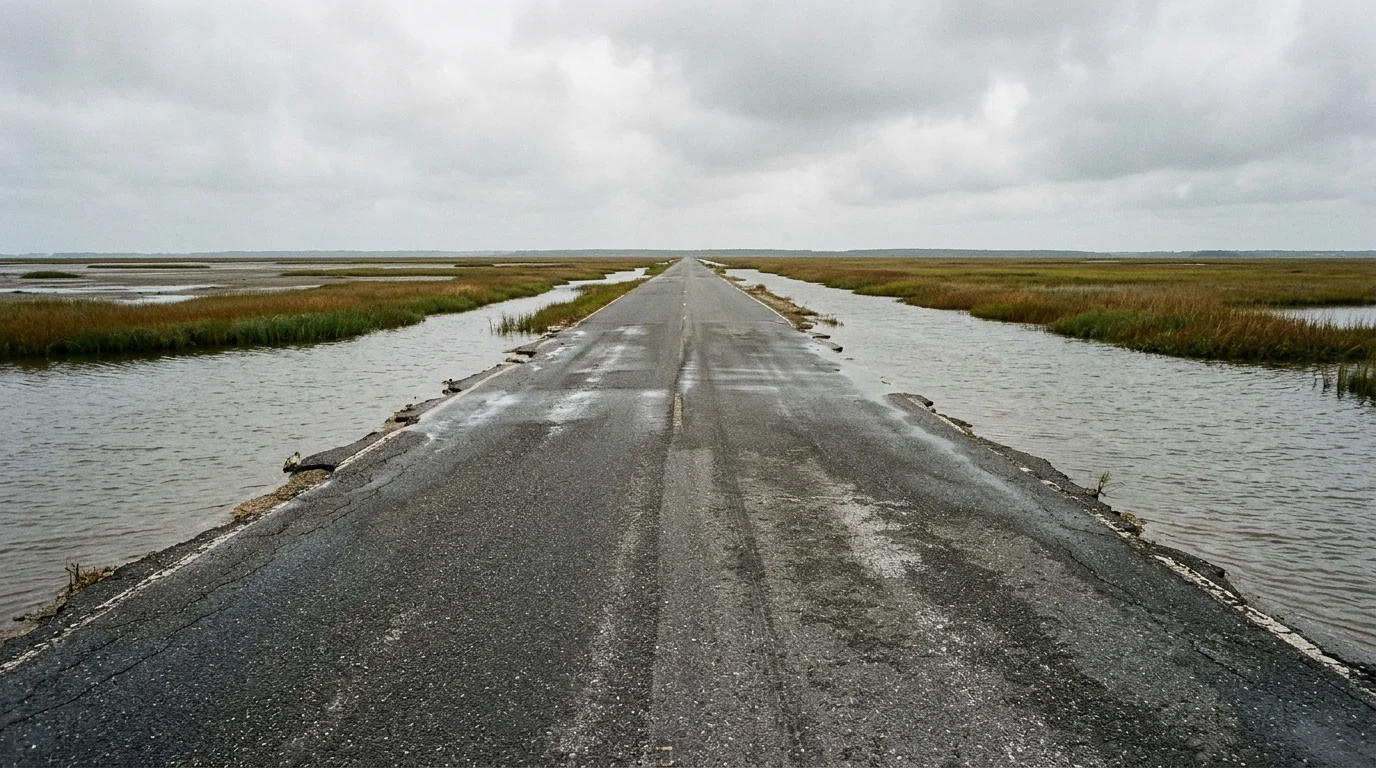
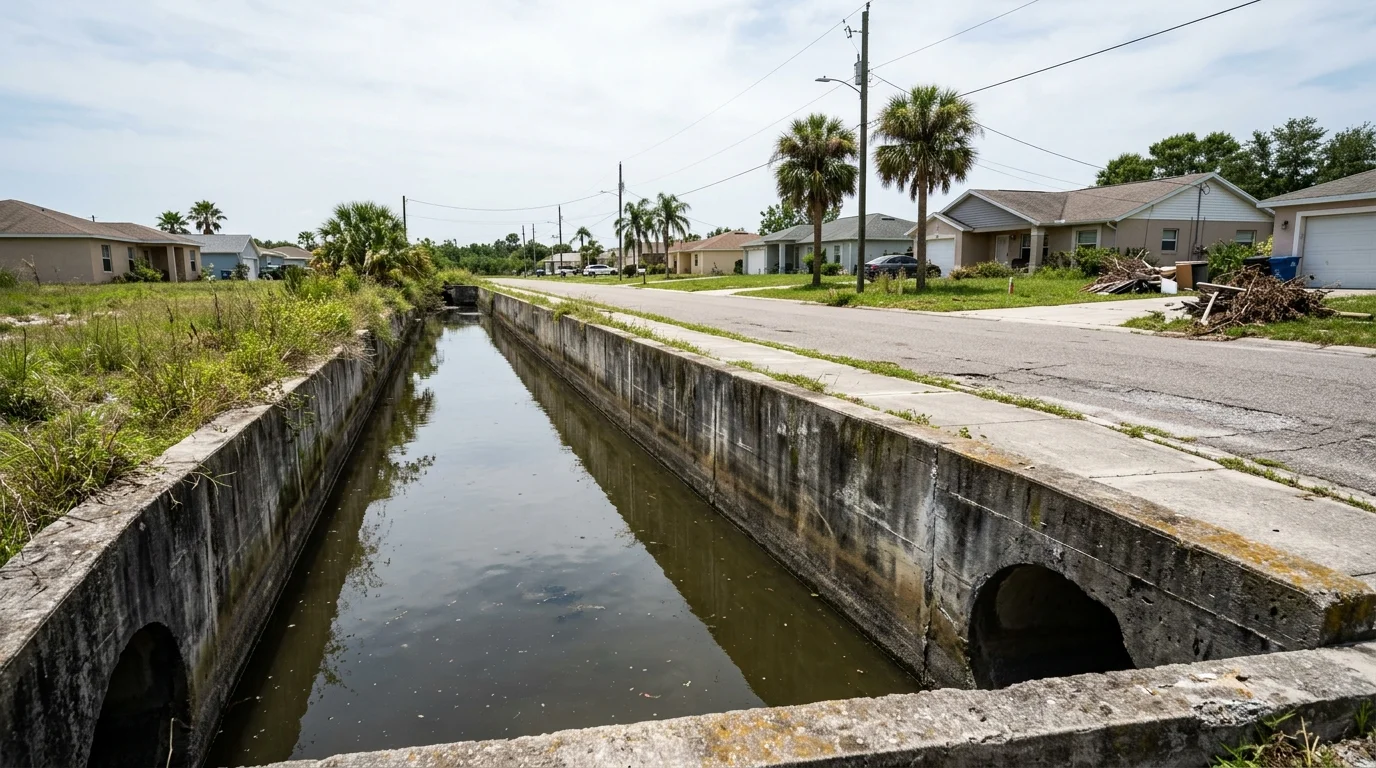
For Gulf Coast institutions, there is a second federal pipeline worth tracking separately. HUD allocated $555.7 million in CDBG-DR funds to Texas in January 2025 in response to 2024 disasters, administered by the Texas General Land Office as state subgrantee, a distinct program from TxCDBG, with different scoring, different eligibility rules, and different state administrators. Port Arthur, which still carries infrastructure damage from repeated flooding events, may be positioned to pursue CDBG-DR subrecipient status in addition to the standard TDA cycle. Having a contracted administrator does not automatically qualify a community for CDBG-DR, but it signals the implementation capacity that the GLO looks for in potential subrecipients. These are two separate federal block grant programs and should not be read as a single pool.
The broader Texas CDBG picture is substantial: active HUD housing grants in Texas total $1.75 billion in obligated funds, with $456 million disbursed. Texas also carries the largest CDBG-DR portfolio of any state, anchored by the $5.7 billion allocated after Hurricane Harvey. That history has made contracted administrative capacity a standing asset for many Gulf Coast communities, and a gap that inland and rural communities are now scrambling to close before December.
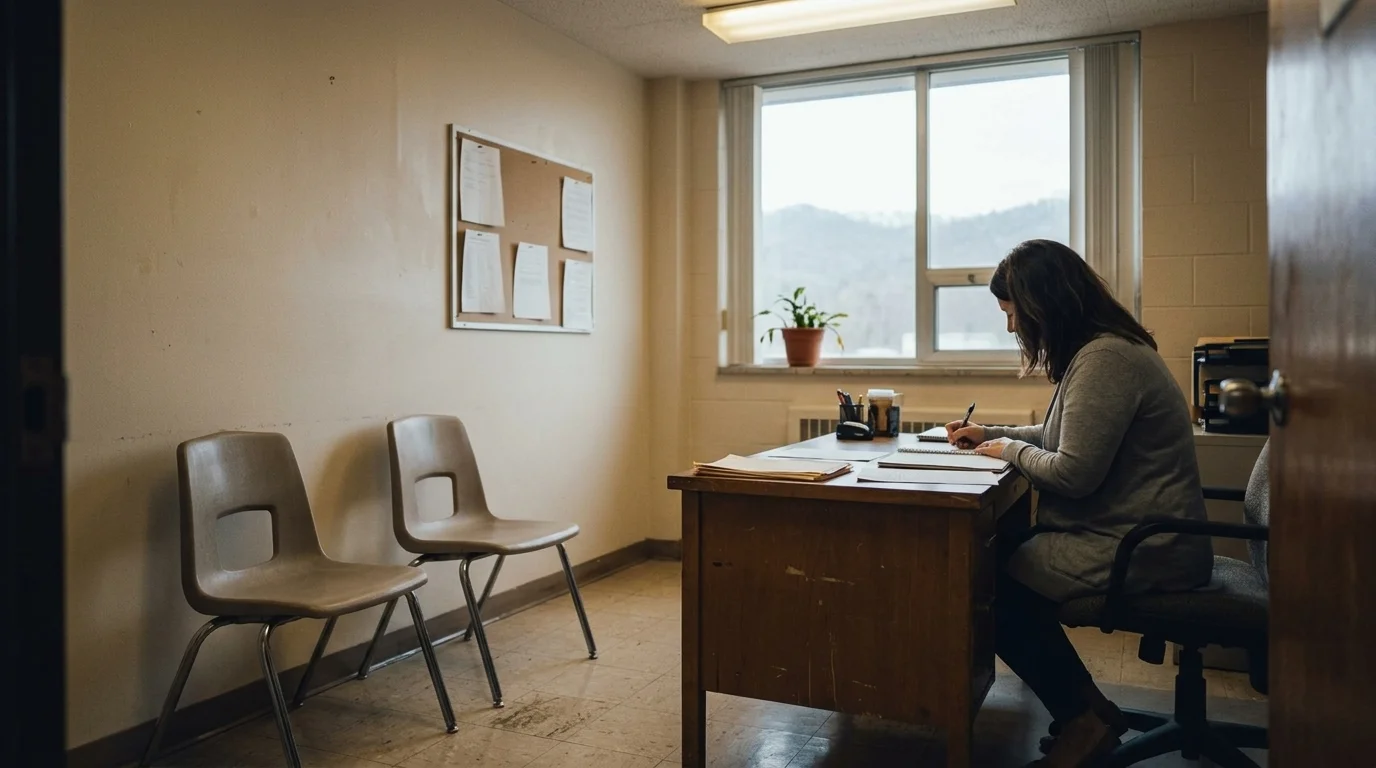
East Texas Council of Governments guidance on the upcoming 2027 TxCDBG cycle makes explicit what the RFP surge implies: regional planning bodies are actively prompting member communities to start procurement now. For small cities without a standing grants office, the administrator is not overhead, the administrator is the application.
The December 2026 deadline is the next hard signal to watch. Communities that complete procurement in October can file competitive applications by the TDA deadline; those that don't will need to wait for the 2029-2030 cycle. Whether the ten institutions now in procurement will translate their RFPs into submitted applications, and how they score against regional priority rankings, will become visible as TDA opens its scoring portal this fall.