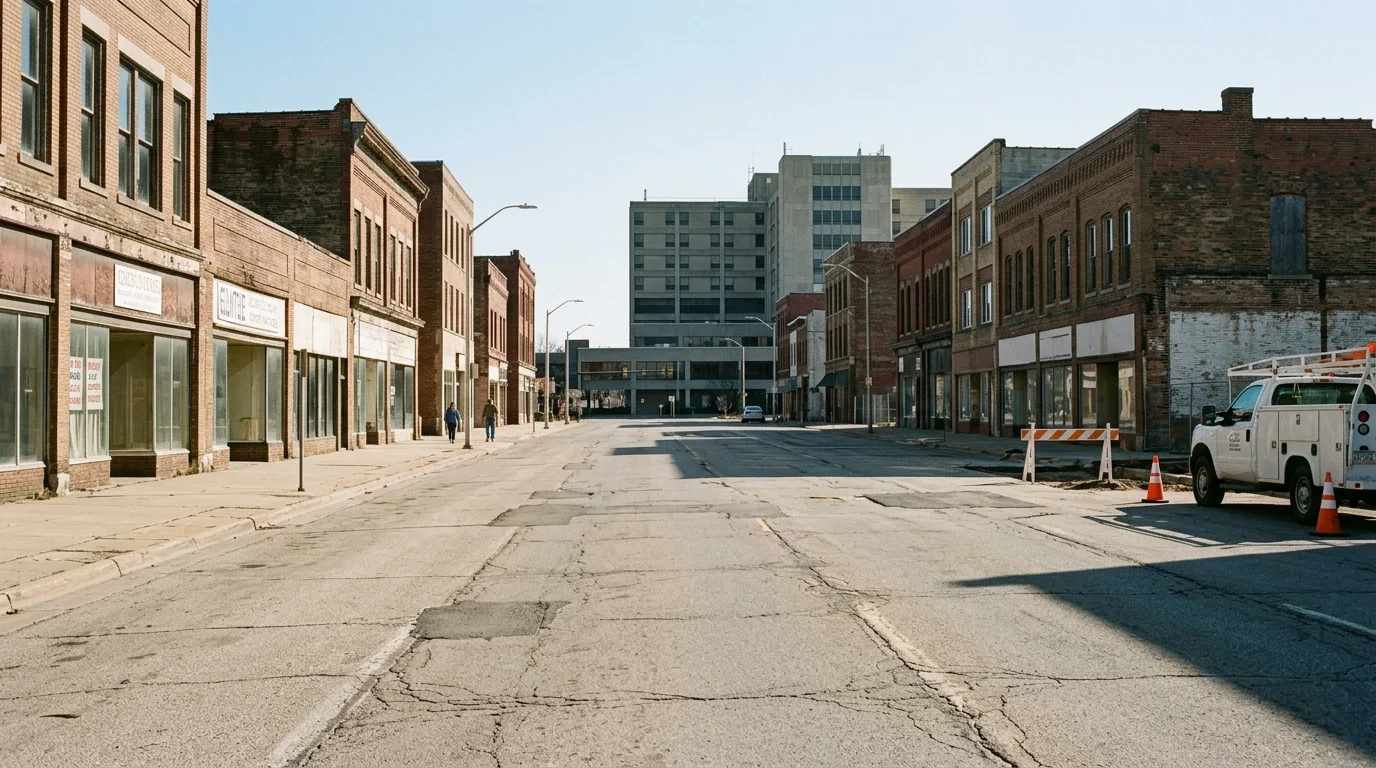
Saginaw, Mich. is rebuilding the streets, pipes, and sidewalks running through the heart of its hospital district, making a concentrated bet that upgraded public infrastructure around its two largest employers can help reverse decades of economic decline.
The city is moving forward with Phases 1 and 3 of its Medical Diamond Infrastructure project, a multi-phase overhaul targeting the downtown corridor anchored by Covenant HealthCare and Ascension St. Mary's Hospital. Together, those two institutions employ thousands of people and represent the most stable source of foot traffic and private investment left in a city whose population has fallen from roughly 98,000 in 1960 to about 42,000 today. The project is listed on the city's bid portal through Michigan's inter-governmental procurement network.
The "Medical Diamond" takes its name from the geographic footprint formed by the two hospital campuses and the connecting corridors between them. The concept, developed in the mid-2010s with backing from SaginawFuture, the regional economic development organization, follows a playbook other Rust Belt cities have used to survive the collapse of their manufacturing base. Cleveland and Pittsburgh both leaned heavily on their hospital and university sectors after steel and auto work dried up, turning those anchors into engines for broader neighborhood recovery.
Saginaw's version of that story has been building for years. General Motors once dominated the city's economy, but plant closures starting in the 1980s gutted the tax base and left behind vacant land and aging infrastructure the city has struggled to address ever since. Water and sewer systems in much of downtown date to the early 20th century. With poverty rates above 30% and a shrinking property tax base, the city has had little room to fund large capital projects on its own.
Federal dollars flowing through the 2021 Bipartisan Infrastructure Law and pandemic-era recovery funds have changed that calculus, making it possible for legacy cities like Saginaw to tackle projects that would have been financially out of reach a decade ago.
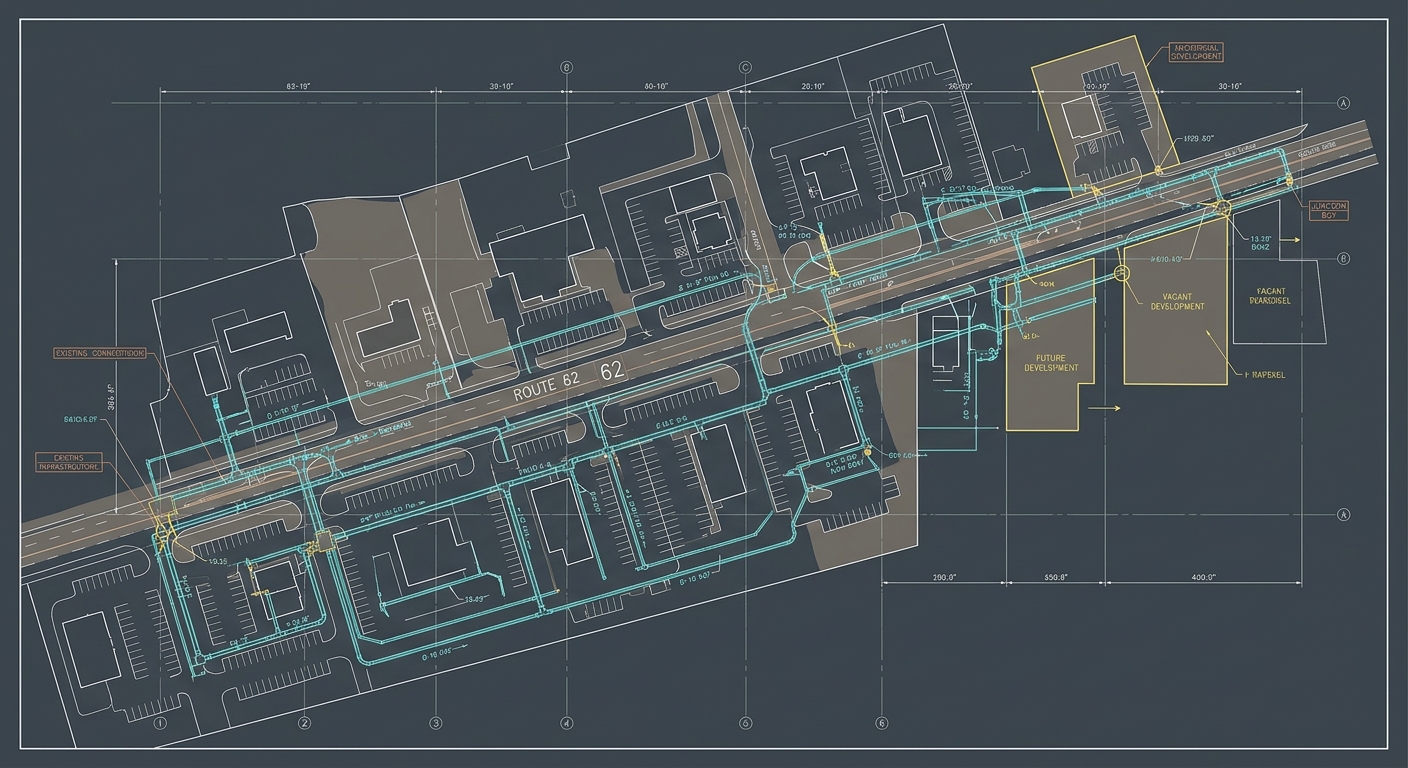
The two-phase bundling, skipping Phase 2, suggests a larger master plan is unfolding in stages, with separate work either already underway or being handled on a different timeline. Contractors are now being solicited, and the scope of work is expected to cover road reconstruction, utility replacement and streetscape improvements designed to make the district more walkable and cohesive.
How quickly construction begins will depend on contractor selection, but the project represents one of the more significant public investments Saginaw has made in its downtown core in years.