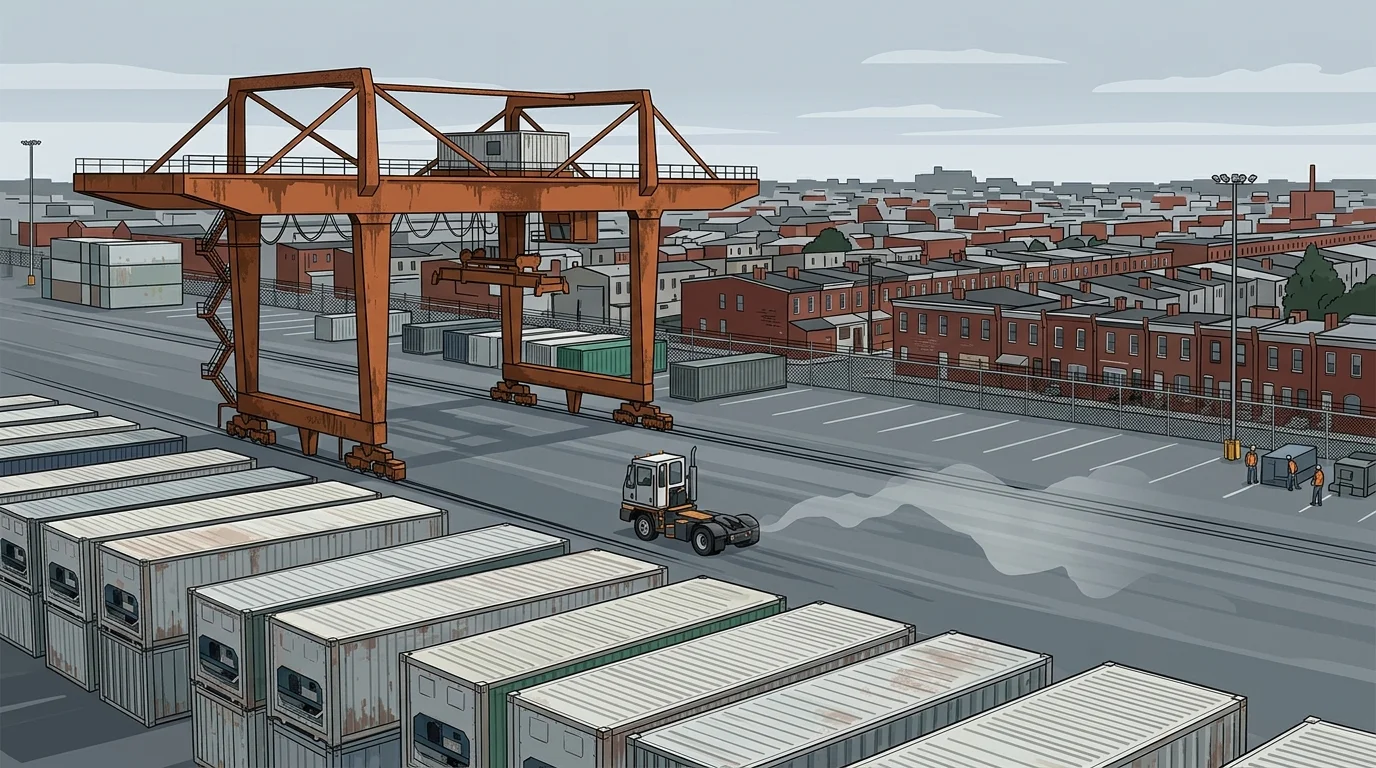
The Port of Philadelphia is pushing ahead with plans to electrify Tioga Marine Terminal, a 110-acre refrigerated cargo hub in North Philadelphia whose diesel-powered cranes, yard tractors, and reefer containers have long fouled the air in surrounding Tioga and Port Richmond neighborhoods.
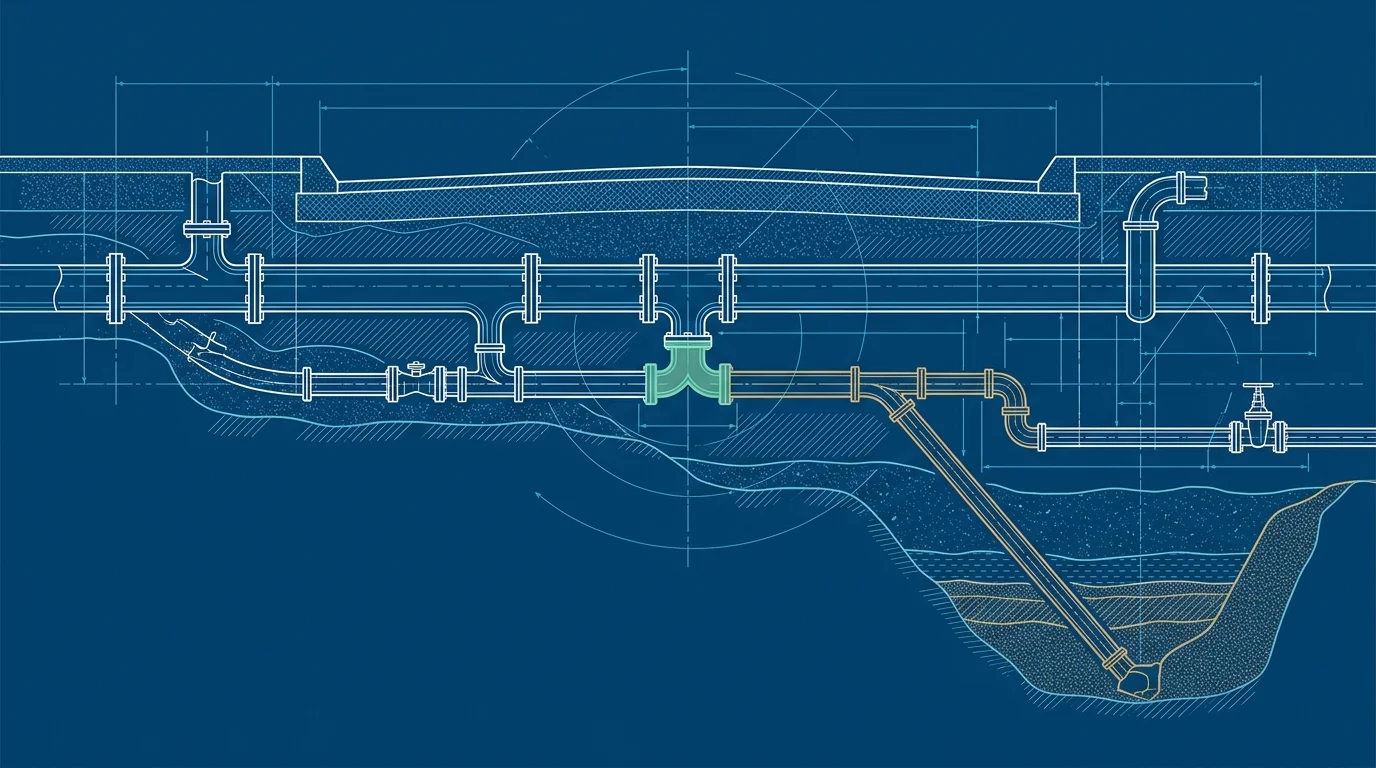
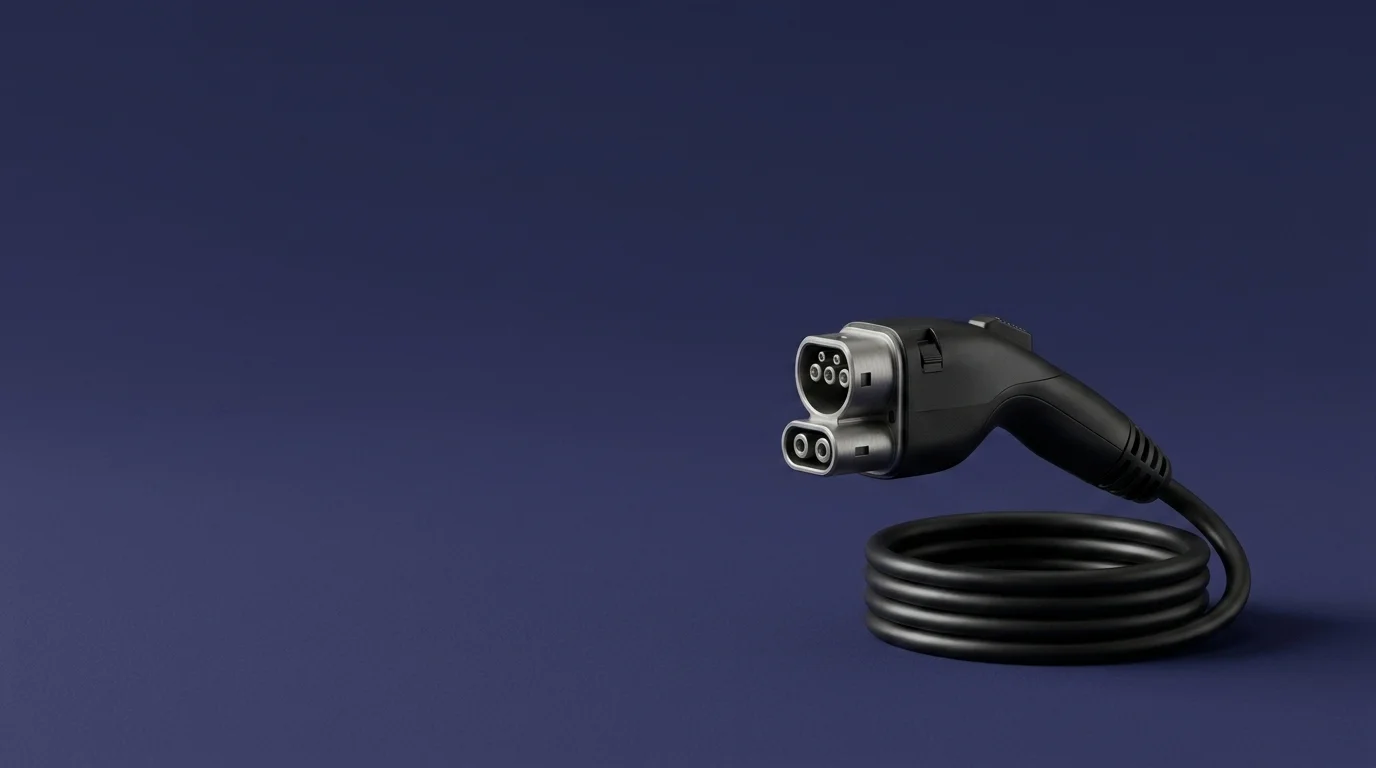
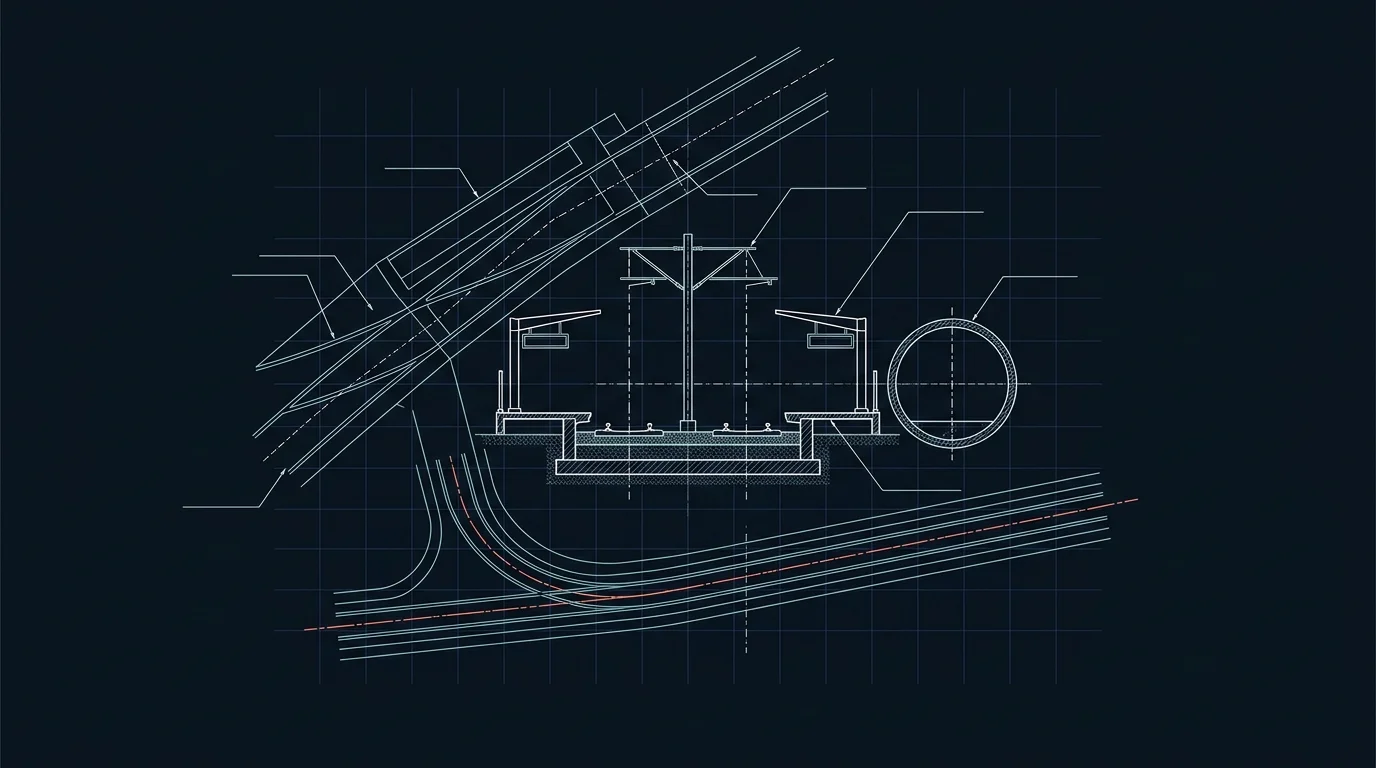
PhilaPort, the state-chartered authority that runs the terminal, is now seeking contractors to build the electrical infrastructure needed to power the transition: substations, transformers, switchgear, conduit and charging systems that would let the terminal run on electricity instead of burning diesel at every step of the cargo chain. No dollar value was disclosed in the public notice.
TMT is America's busiest port for imported fresh fruit, the main entry point for Chilean produce, cocoa and forest products reaching the East Coast. Every refrigerated container sitting on that terminal today draws power from diesel generator sets or aging shore connections. Electrifying the terminal would cut those emissions at the source.
Source: NationGraph.
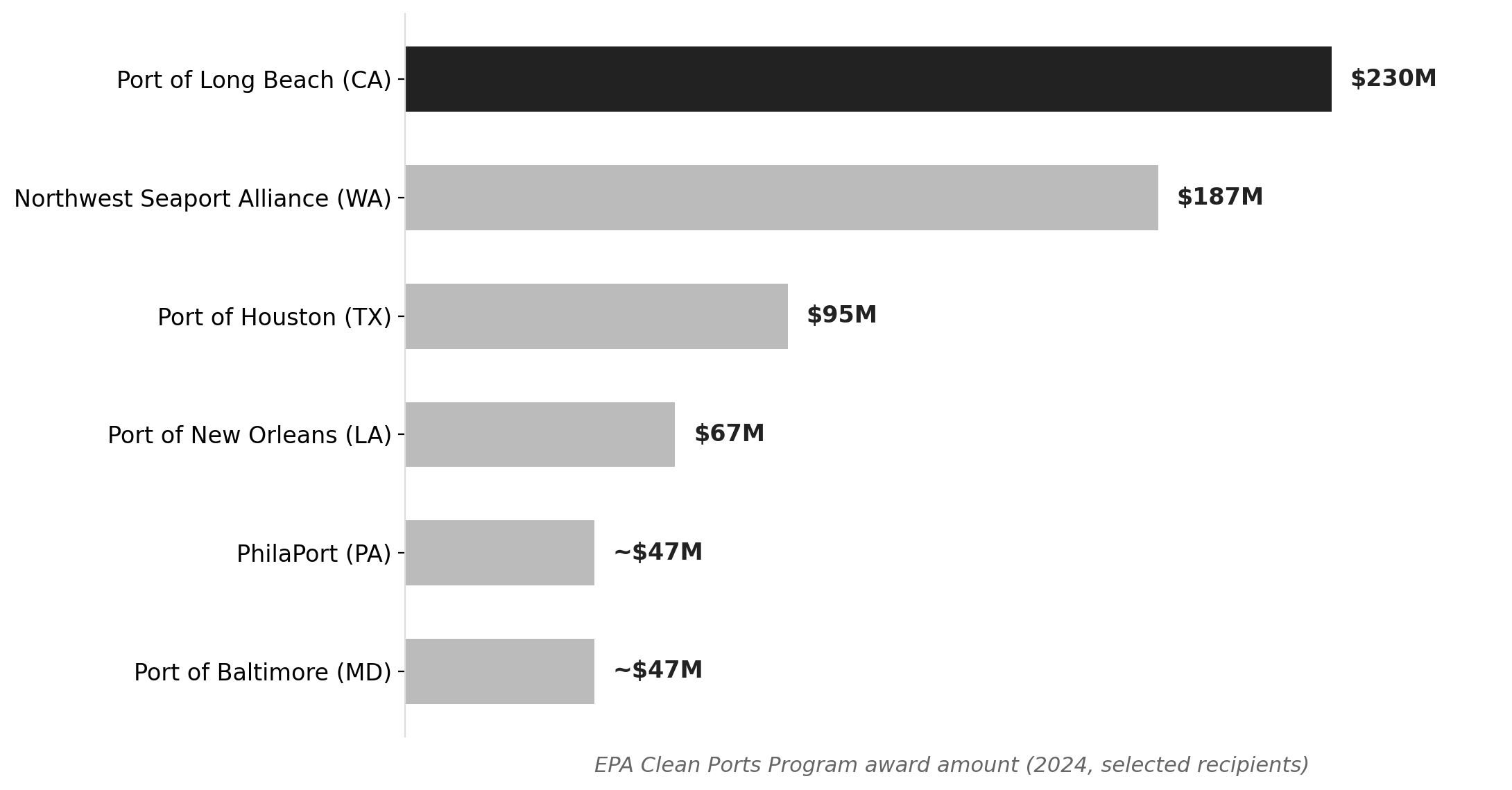
The project draws on funding from the EPA's Clean Ports Program, which distributed roughly $3 billion to port authorities nationwide in late 2024 under the Bipartisan Infrastructure Law and Inflation Reduction Act. PhilaPort was among the recipients, with awards tied specifically to zero-emission cargo handling equipment and the electrical infrastructure to support it. That federal program's future has grown uncertain under the Trump administration, adding urgency to get already-obligated dollars into the ground quickly.
The surrounding neighborhoods have particular stakes in the outcome. The EPA has repeatedly found that port-related diesel emissions fall hardest on low-income and minority communities that border major terminals, and the Tioga-Port Richmond corridor fits that profile closely. Decades of truck traffic and industrial activity along the Delaware waterfront have made air quality a persistent concern for residents there.
Electrification also carries competitive weight for PhilaPort. Shipping lines increasingly weigh environmental performance when choosing which ports to call on, and Philadelphia is competing for cargo against Baltimore, New York/New Jersey and Norfolk. Building out green infrastructure at TMT is both a health investment and a business argument.
The electrification work follows a years-long capital push by PhilaPort that included a $300 million-plus development plan under Gov. Tom Wolf and the completion of a Delaware River channel deepening to 45 feet in 2019. Gov. Josh Shapiro's administration has continued that bipartisan support for port investment.
Contractor selection will determine how quickly construction can begin. Once the electrical grid is in place, PhilaPort can begin swapping in electric yard equipment and providing shore power to docked vessels, a practice known as cold ironing that cuts shipboard diesel engines while ships are in port.