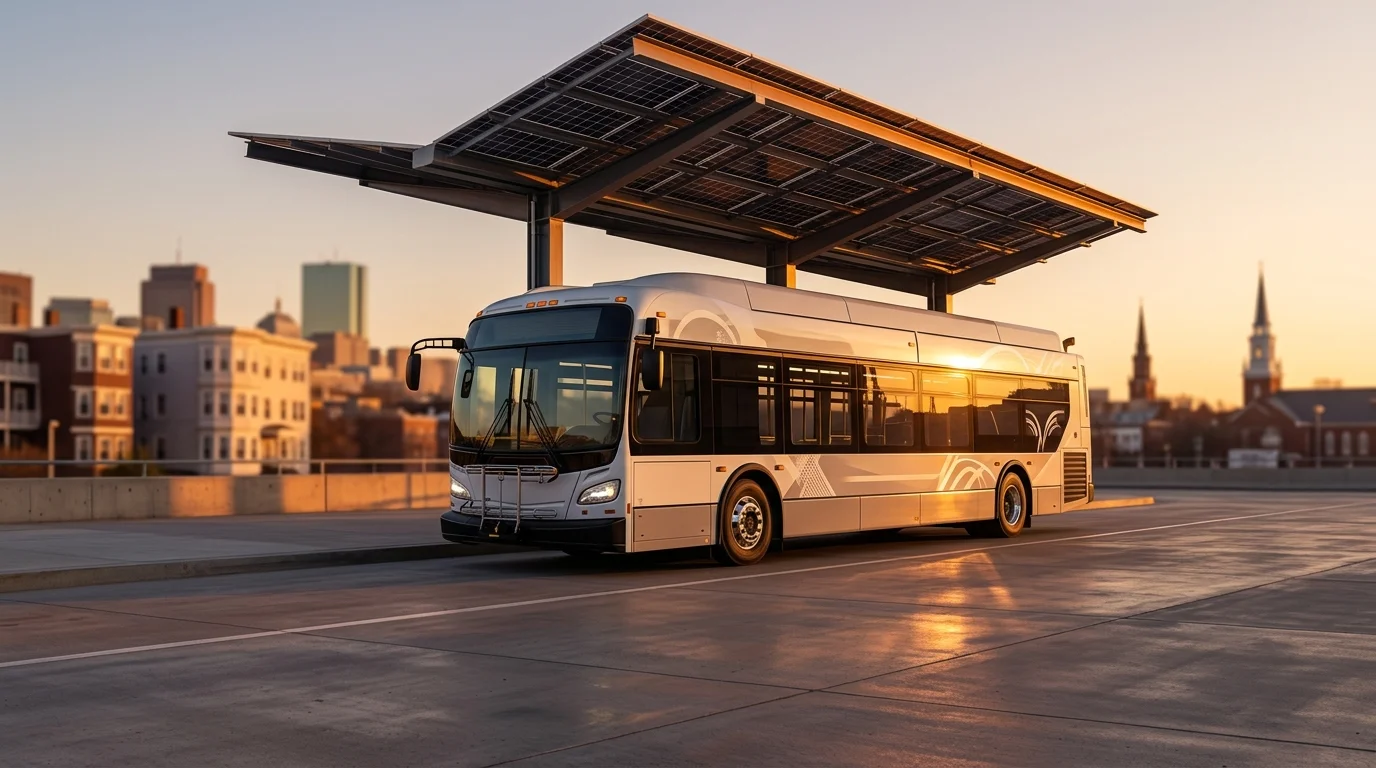
A major New York transit agency is moving to buy 650 compressed natural gas buses in one of the largest single bus procurements in recent U.S. history, a decision that puts it sharply at odds with the federal push toward all-electric public transit.
The solicitation, posted on the New York State Contract Reporter, does not name the purchasing agency, but the posting platform points to a New York State public authority. The most likely buyer is the MTA, which runs the largest bus fleet in North America, roughly 5,800 vehicles, and has operated CNG-fueled buses out of multiple depots since the late 1990s. At typical market prices of $500,000 to $650,000 per bus, the contract could be worth between $325 million and $425 million.
The order is a notable departure from the direction federal transit policy has taken in recent years. The Federal Transit Administration's Low- and No-Emission Bus Program awarded more than $1.5 billion in fiscal year 2024, nearly all of it for battery-electric and hydrogen buses. Agencies including the Chicago Transit Authority have committed to replacing diesel buses with electric vehicles, and many large U.S. systems have pledged all-electric fleets by 2035 or 2040.
But the electric bus transition has been bumpier than advocates hoped. Proterra, once the leading domestic manufacturer of battery-electric transit buses, filed for bankruptcy in 2023. SEPTA pulled its Proterra fleet from service over reliability problems. The MBTA and other agencies have faced delays getting new electric buses running. Those struggles have left some agencies looking for a bridge technology that can replace aging diesel fleets now, without betting everything on infrastructure and vehicles that have proven difficult to deploy at scale.
CNG burns cleaner than diesel on local air pollutants like soot and nitrogen oxides, which was enough to make it the dominant diesel alternative through the 2000s and 2010s. But it is still a fossil fuel, and methane leakage from natural gas systems has made environmental groups increasingly critical of CNG as a climate solution. In New York, that criticism carries legal weight: the state's 2019 Climate Leadership and Community Protection Act requires 40% greenhouse gas reductions by 2030 and 85% by 2050. A large CNG bus order is likely to face pushback from climate advocates who argue it locks in fossil fuel dependence for the life of the vehicles, typically 12 years.
For the MTA, cost is a real constraint. Battery-electric buses are significantly more expensive per unit than CNG, and converting depots to handle high-voltage charging adds tens of millions of dollars per facility. The agency is already navigating a capital plan with significant funding gaps.
The agency has not publicly commented on the procurement. The contract has not yet been awarded, and the identity of the buyer remains unconfirmed in the posted record.