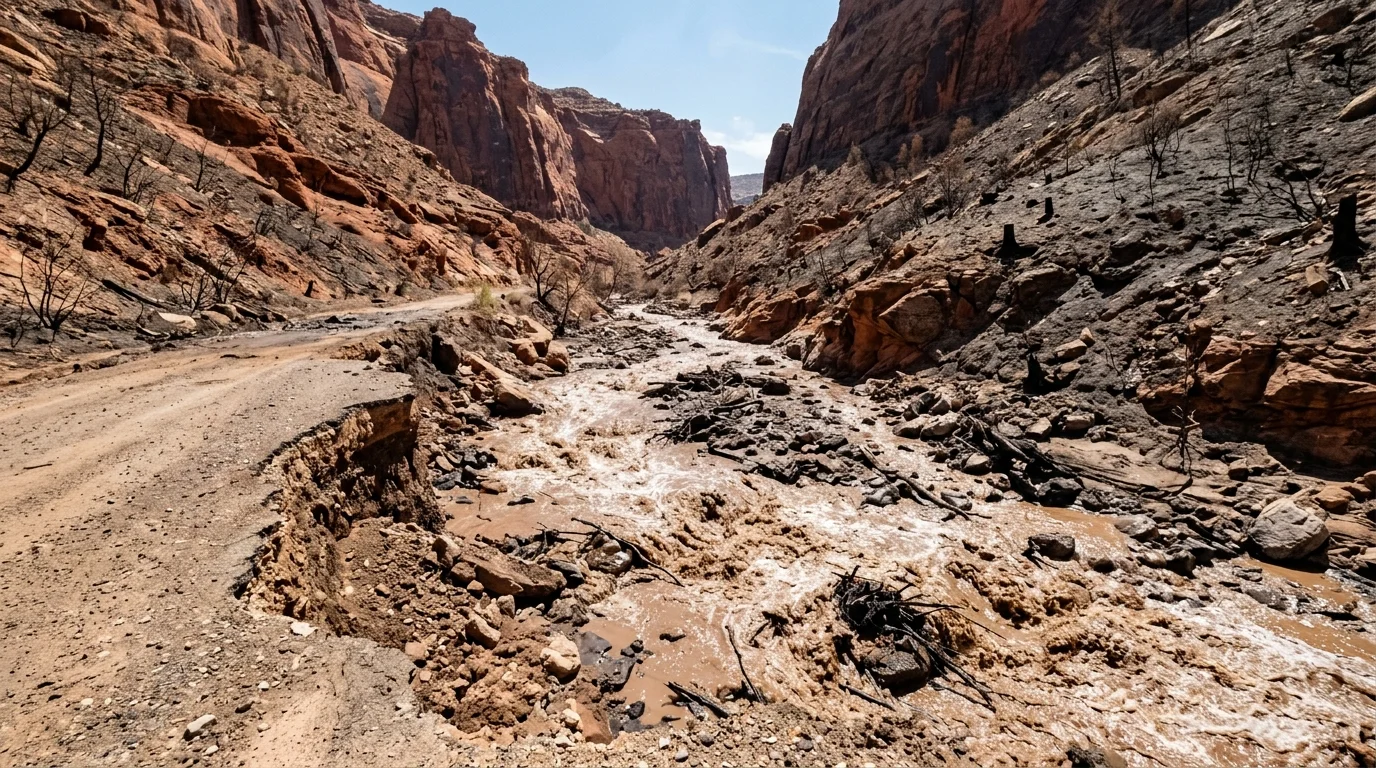
Eight North Carolina transit institutions issued public procurement solicitations in the 30 days ending September 9, 2026, the highest single-month concentration in at least 18 months, and most of them share the same hard stop: September 30, the day the Infrastructure Investment and Jobs Act expires.
The IIJA authorized federal public transportation programs at roughly $21.4 billion annually through that date. As of this writing, no replacement surface transportation bill has been introduced in either chamber, though the House Transportation and Infrastructure Committee ordered H.R. 8870 reported in May 2026. NACo warned in August 2026 that without reauthorization or a short-term extension, discretionary grant programs stop making new awards and formula funding reverts to pre-IIJA levels. Projects with dollars already obligated are relatively secure. Projects still waiting on obligation are not.
That distinction is what's driving the calendar. NC agencies that received federal grants in late 2025 and early 2026, under the FTA's separate formula programs, Low/No Emissions bus awards, and Capital Investment Grants, each with its own eligibility rules but all sharing the same authorization clock, must now move those obligated dollars into active procurements before the window closes. The result is visible in the state's procurement record as something close to a controlled sprint.
Source: NationGraph.
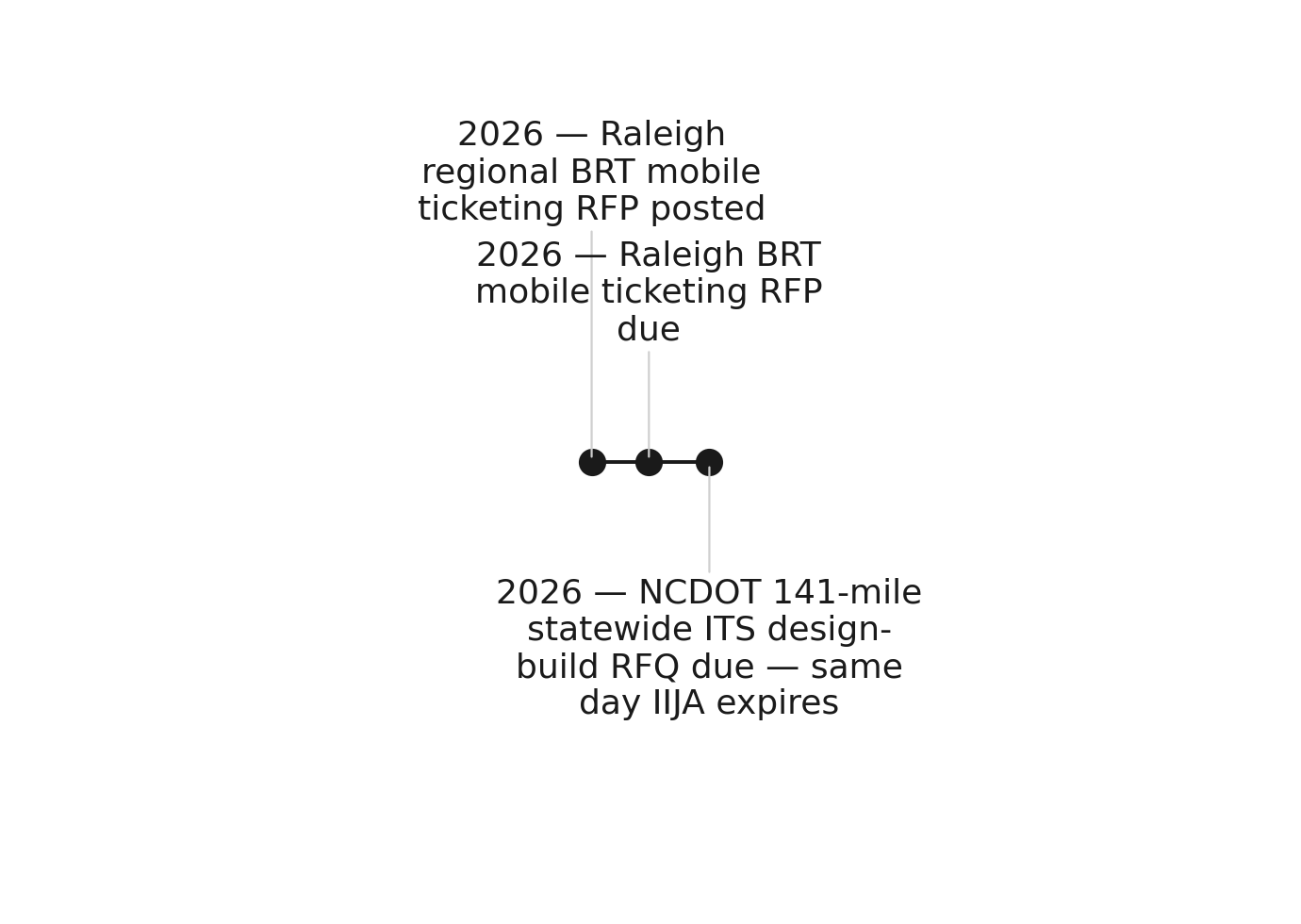
The clearest illustration sits at NCDOT. The agency issued an RFQ for a 141-mile statewide Intelligent Transportation Systems design-build contract with a response deadline of September 30, 2026, literally the last day the law is in effect. That single solicitation is the largest of the current wave, and its due date is not a coincidence. Separately, the Piedmont Authority for Regional Transportation set the same September 30 deadline for a six-provider regional on-board ridership survey covering its Triad-area fixed routes.
In Raleigh, the procurement pressure intersects with a decade of planning. The city's regional account-based mobile ticketing RFP, federal funding noted in the solicitation, covering both fixed-route and the emerging BRT network, landed August 23 with a September 11 due date. The Wake County BRT system was voter-approved in 2016 and is targeting 20 miles across four corridors by 2035. The Raleigh City Council endorsed the Northern Corridor Major Investment Study as recently as May 19, 2026. The ticketing contract is one of the first procurement-stage signals that the corridor is moving from planning documents into operational infrastructure.
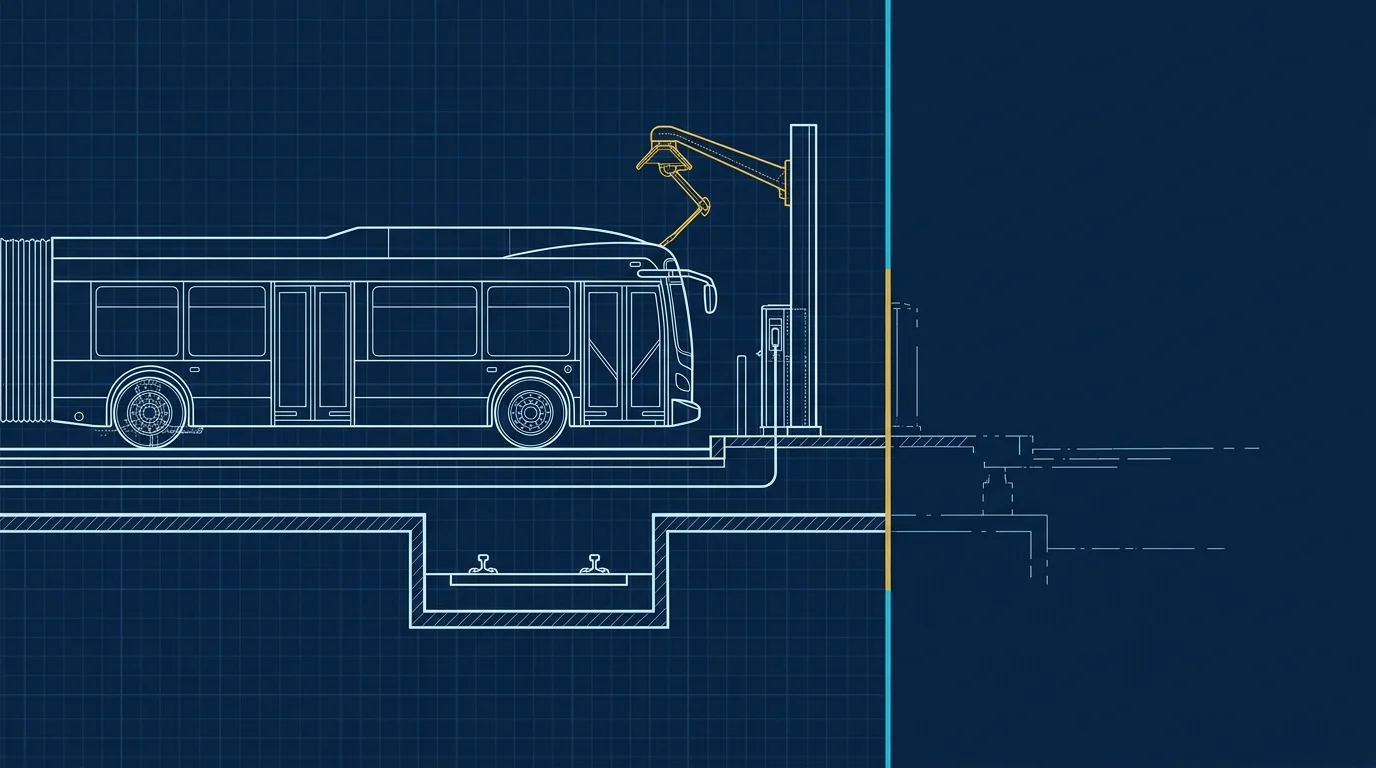
The federal dollars behind these solicitations come through distinct programs. Fayetteville, Greensboro, and Winston-Salem each received FTA Low/No Emissions bus grants of $6.6 to $6.7 million in January and February 2026, awards designed specifically for zero-emission fleet procurement. Those grants now need supporting contracts: facility upfits, maintenance agreements, charging infrastructure. Winston-Salem's transit facility design-build RFP, part of the current wave, is one direct downstream effect. Charlotte's procurement posture reflects a different federal stream: the city holds more than $240 million in active FTA Capital Investment Grant commitments, the competitive program reserved for major capital projects like BRT and rail. Chapel Hill Transit separately secured $24.4 million in Capital Investment Grants for its North-South BRT system in January 2025. Across all programs, NC holds roughly $688 million in active federal transit grant commitments across 27 distinct awardees, a portfolio large enough that even a short lapse in authorization creates real operational exposure.
What the expiration means in practice depends on where a given project sits in the federal pipeline. The Congressional Research Service's analysis of the IIJA reauthorization gap makes clear that already-obligated funds remain available for expenditure; the risk falls on projects that expected to receive new obligations from discretionary programs that stop making awards the moment authorization lapses. For a state mid-execution on commitments as large and as federally intertwined as NC's, a Wake BRT network, a Raleigh-to-Richmond rail corridor, a statewide ITS modernization, the gap between "obligated" and "not yet obligated" is exactly where the exposure lives.
For riders and taxpayers, the near-term signal to watch is whether these September procurements result in awarded contracts before year-end. A contract award locks in the work regardless of what Congress does with reauthorization. An RFP that closes September 30 but takes four months to evaluate and award sits in a more uncertain position if a replacement bill stalls into 2027.
Congress has until September 30 to pass a reauthorization or a continuing extension. If it does neither, NC's transit agencies will have spent the fall racing a deadline that, for the contracts not yet signed, will have mattered.