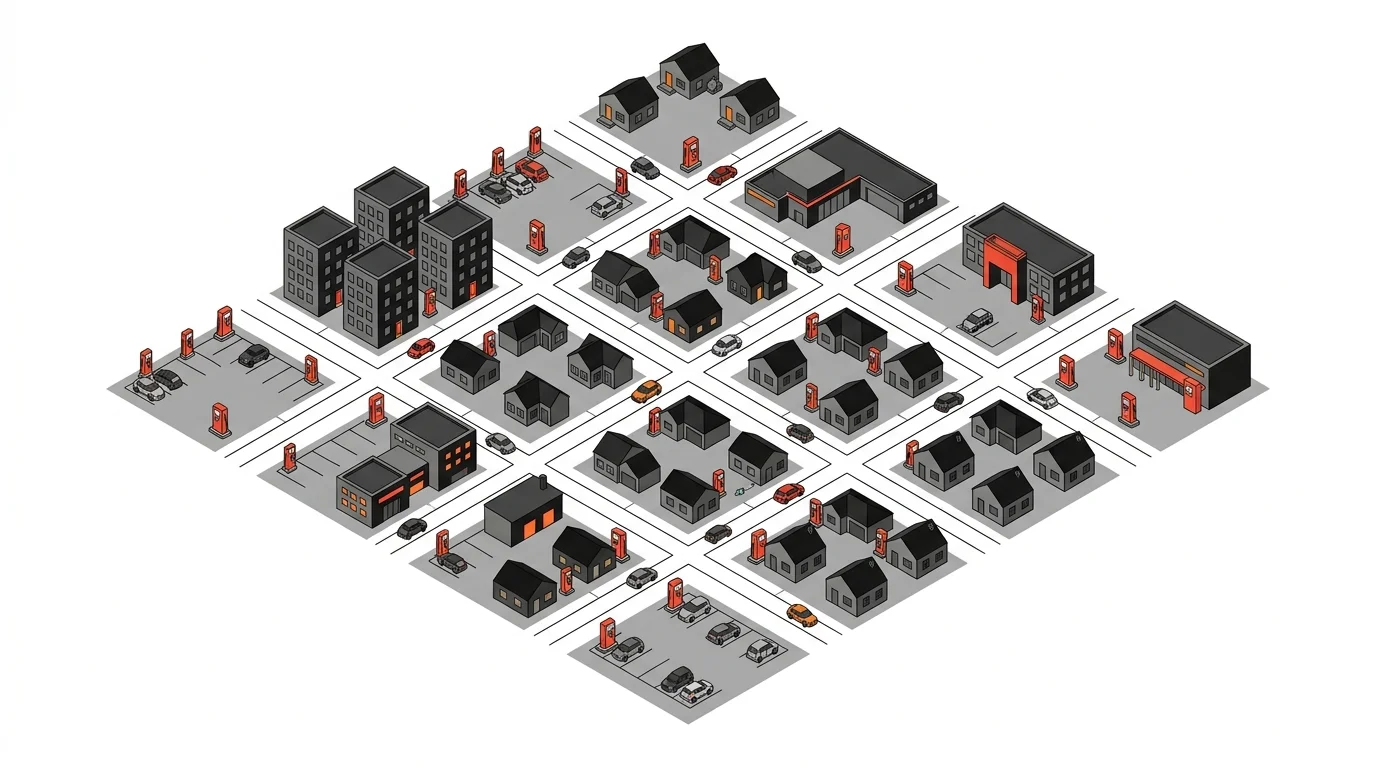
Springfield, Massachusetts is opening its checkbook to developers who can turn vacant, blighted lots into new single-family homes, the latest move by the city to chip away at a housing shortage years in the making.
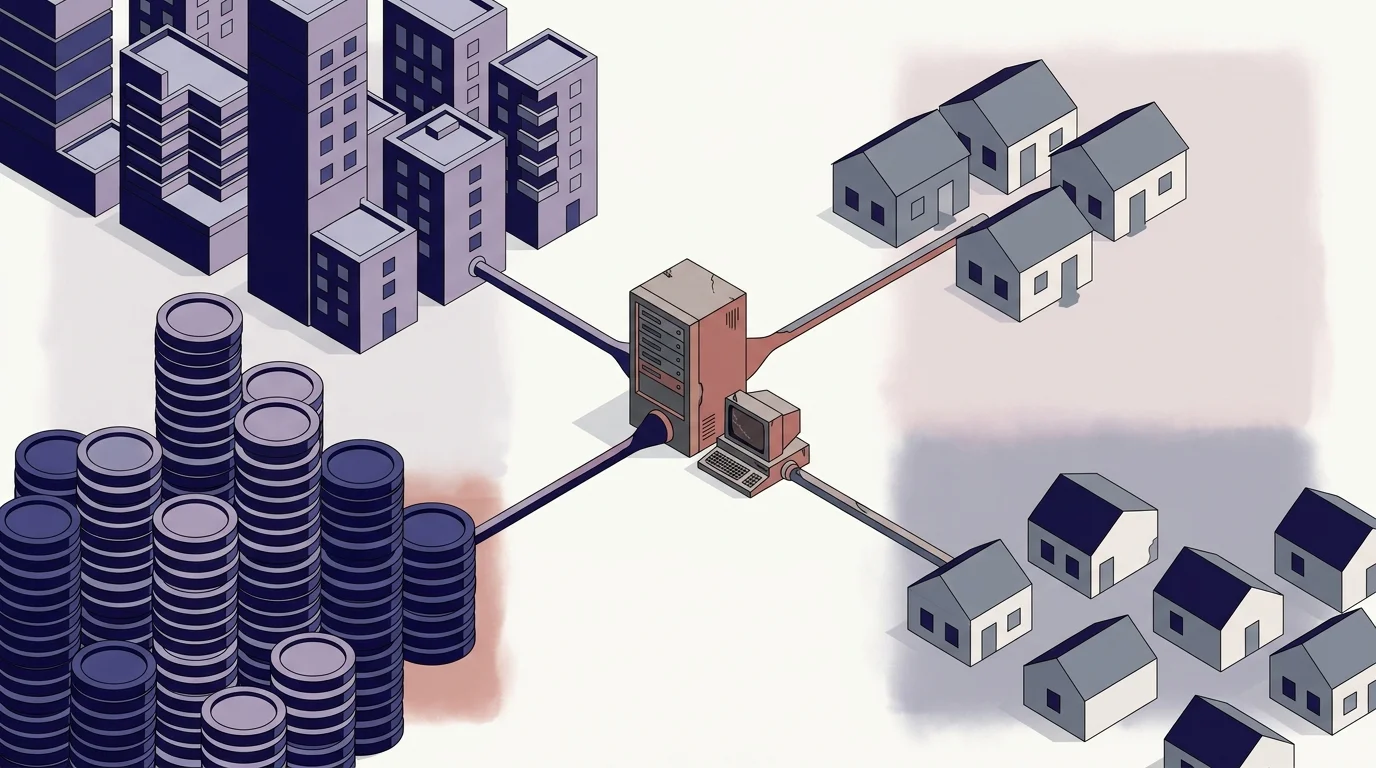
The city posted a competitive funding notice this week inviting developers to apply for public dollars to build ownership housing, with awards going to proposals judged most likely to deliver results. The specific funding amount and eligible neighborhoods have not been disclosed publicly; the full application documents would contain those details.
The push comes as housing costs have risen sharply even in Springfield, historically one of the more affordable cities in Massachusetts. The city's roughly 155,000 residents have a median household income around $42,000 to $45,000, less than half the statewide median of about $96,000, meaning homes that look cheap by Boston standards can still be out of reach for many local families.
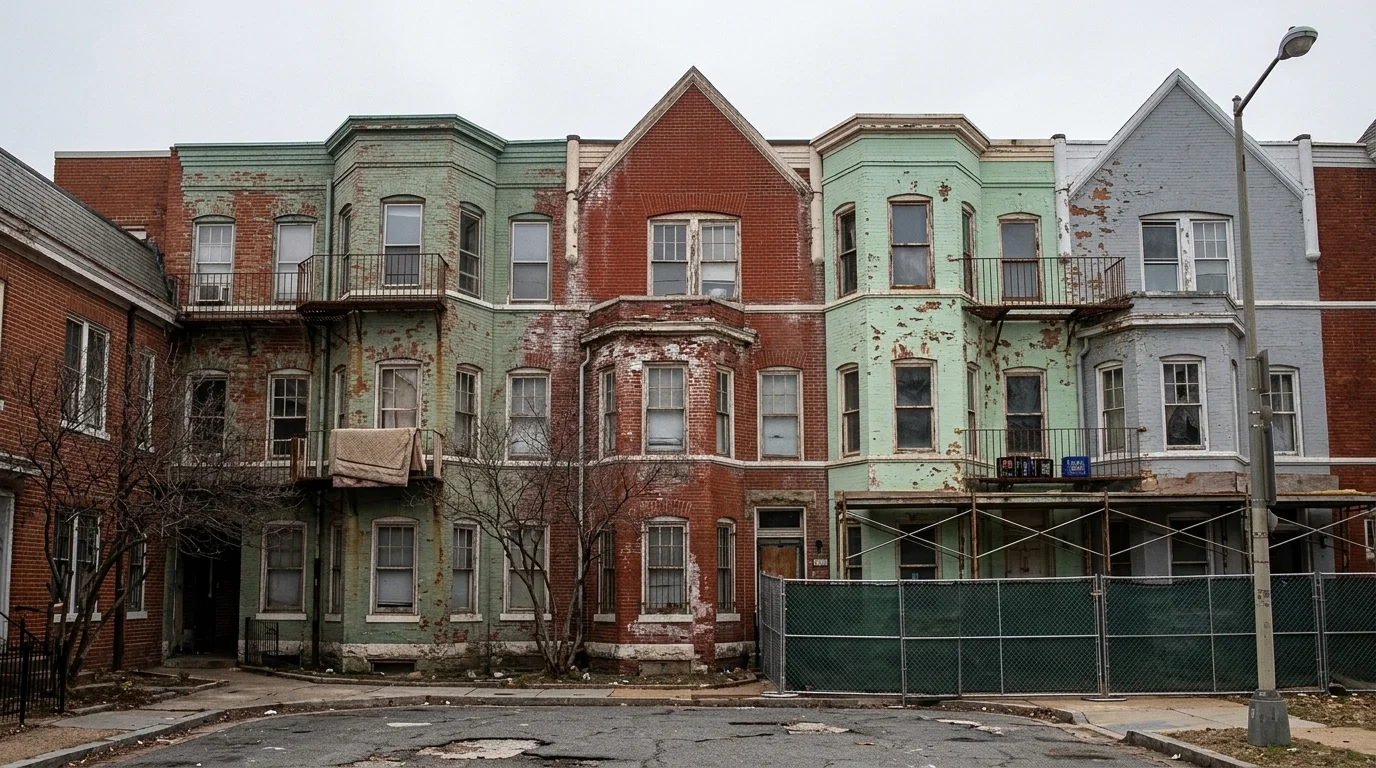
Springfield has spent years accumulating vacant lots through tax foreclosures and demolitions, the physical legacy of the deindustrialization that hollowed out the city's economy in the latter half of the 20th century. Those parcels, scattered across neighborhoods like Old Hill, Six Corners, and the North End, are now being treated as assets rather than liabilities. As NationGraph has reported, [the city has been pushing to build on those vacant lots](articles/springfield-ma-pushes-to-build-new-homes-on-vacant-lots-amid-housing-crunch) for some time, often partnering with nonprofits and community development corporations.
The focus on single-family ownership housing is a deliberate policy choice. Springfield is a majority-minority city, roughly 45% Hispanic or Latino and 20% Black, and homeownership is widely viewed as a key wealth-building tool for communities that have historically had less access to it. City officials under Mayor Domenic Sarno, who has led Springfield since 2008, have consistently framed blight reduction and neighborhood stabilization as linked goals.
The central question hanging over the effort is whether the homes that get built will carry price tags that working-class Springfield residents can actually afford. That tension between housing production and housing affordability is likely to shape which proposals the city ultimately funds.