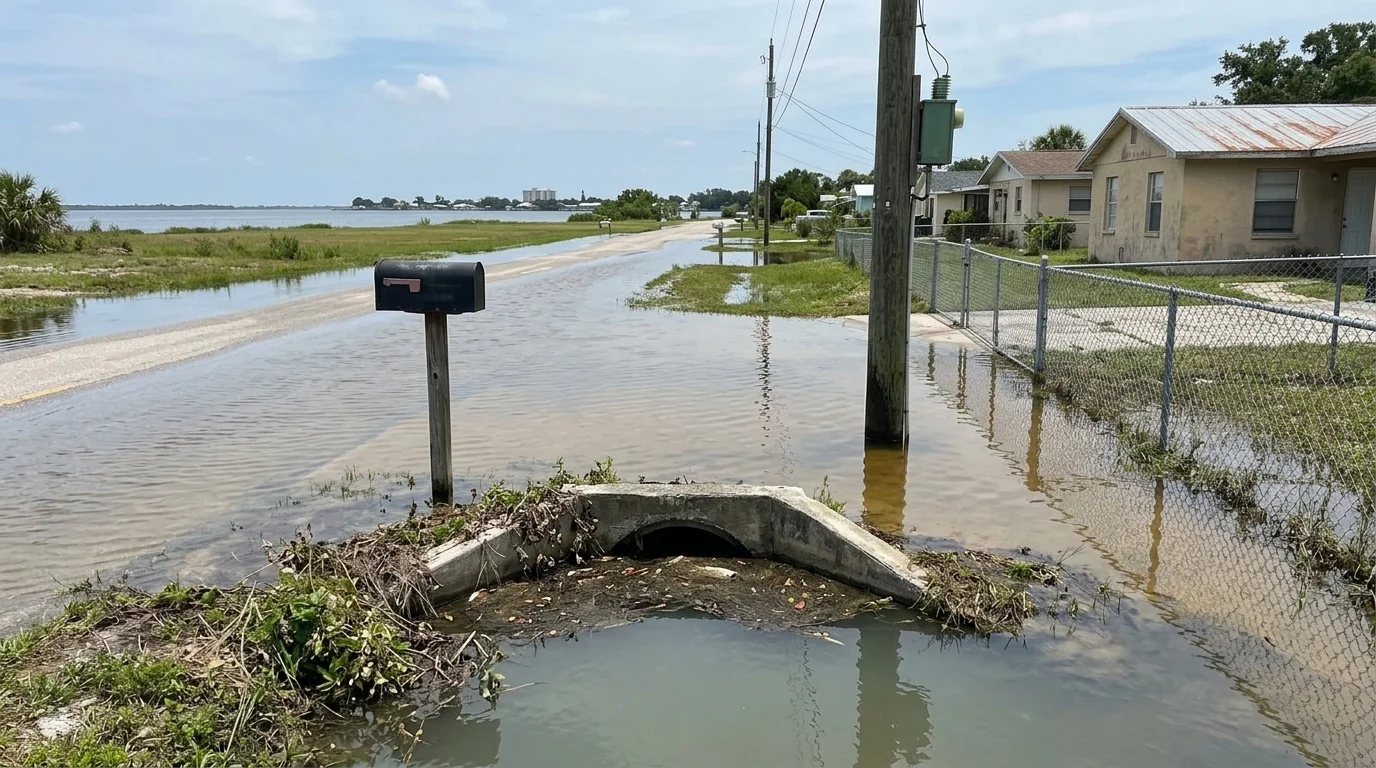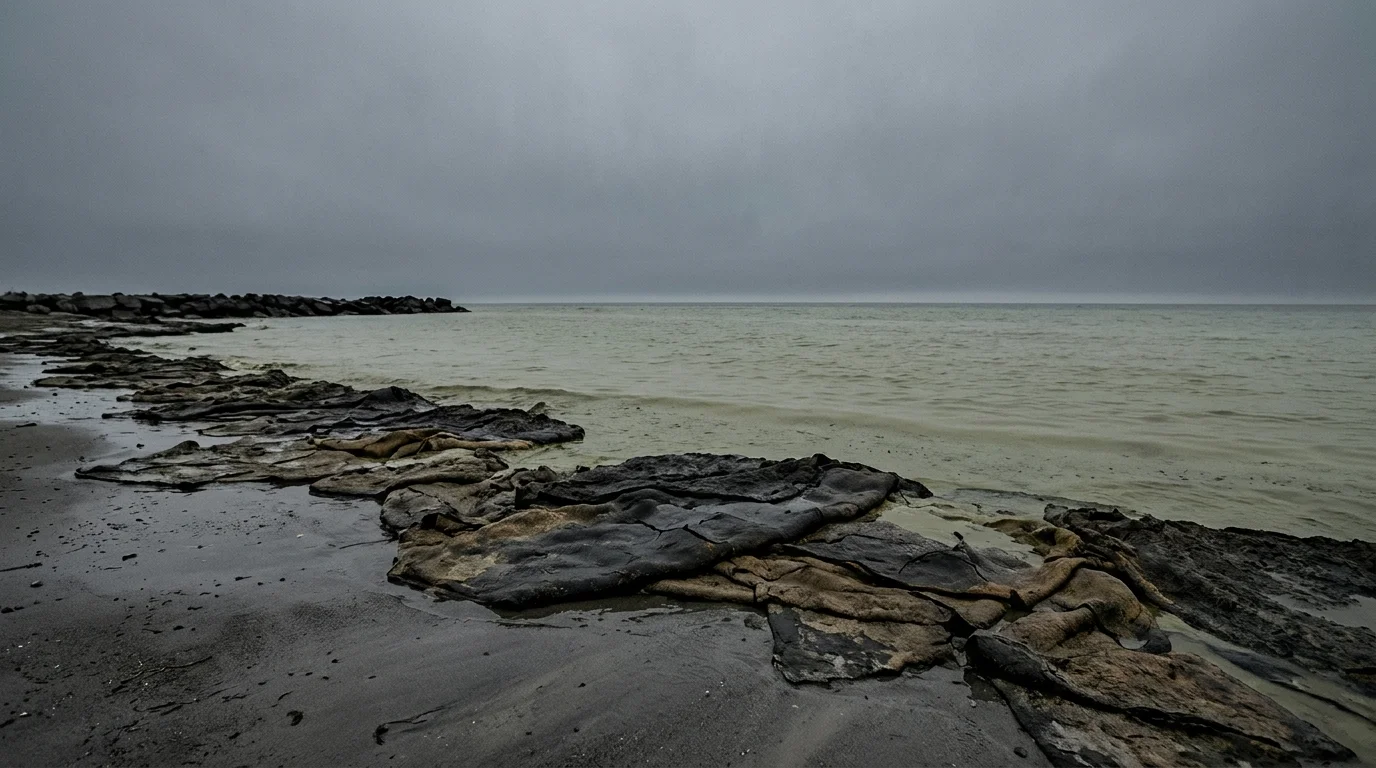
For years, residents along Lake St. Clair in Macomb County, Mich. have watched their beaches disappear under piles of stinking black mats, the kind that can stack feet deep, smell like rot, and send dogs to the vet. Now, officials are putting boats in the water to test whether the stuff can actually be removed.
The target is Microseira wollei, a toxin-producing cyanobacteria (not technically an algae, despite being widely called one) that forms dense, leathery mats on the lake bottom, breaks free, and washes ashore in dark heaps. Locals call it "muck" or "mermaid hair." Scientists call it a growing crisis. The organism produces saxitoxins and lyngbyatoxins that can irritate skin, sicken pets, and pose risks to drinking water intakes serving several lakeshore communities.
Macomb County has posted a field trial solicitation through Michigan's procurement portal, seeking contractors to test removal methods in the water before any full-scale commitment. The pilot approach reflects a hard lesson from years of piecemeal mechanical harvesting and beach cleanups: nobody yet knows what actually works at scale on a lake this size.
Source: NationGraph.
Lake St. Clair is shallow, averaging about 11 feet, and spans roughly 430 square miles between Michigan and Ontario, draining a watershed of about 7,400 square miles. That combination makes it especially vulnerable. Decades of phosphorus-laden agricultural runoff from rivers like the Thames, Sydenham and Clinton have loaded the lakebed with nutrients. Zebra and quagga mussels, which invaded in the late 1980s and 1990s, filter the water column and dramatically increase light reaching the bottom, conditions Microseira thrives in. Warming water temperatures have extended its growing season further.
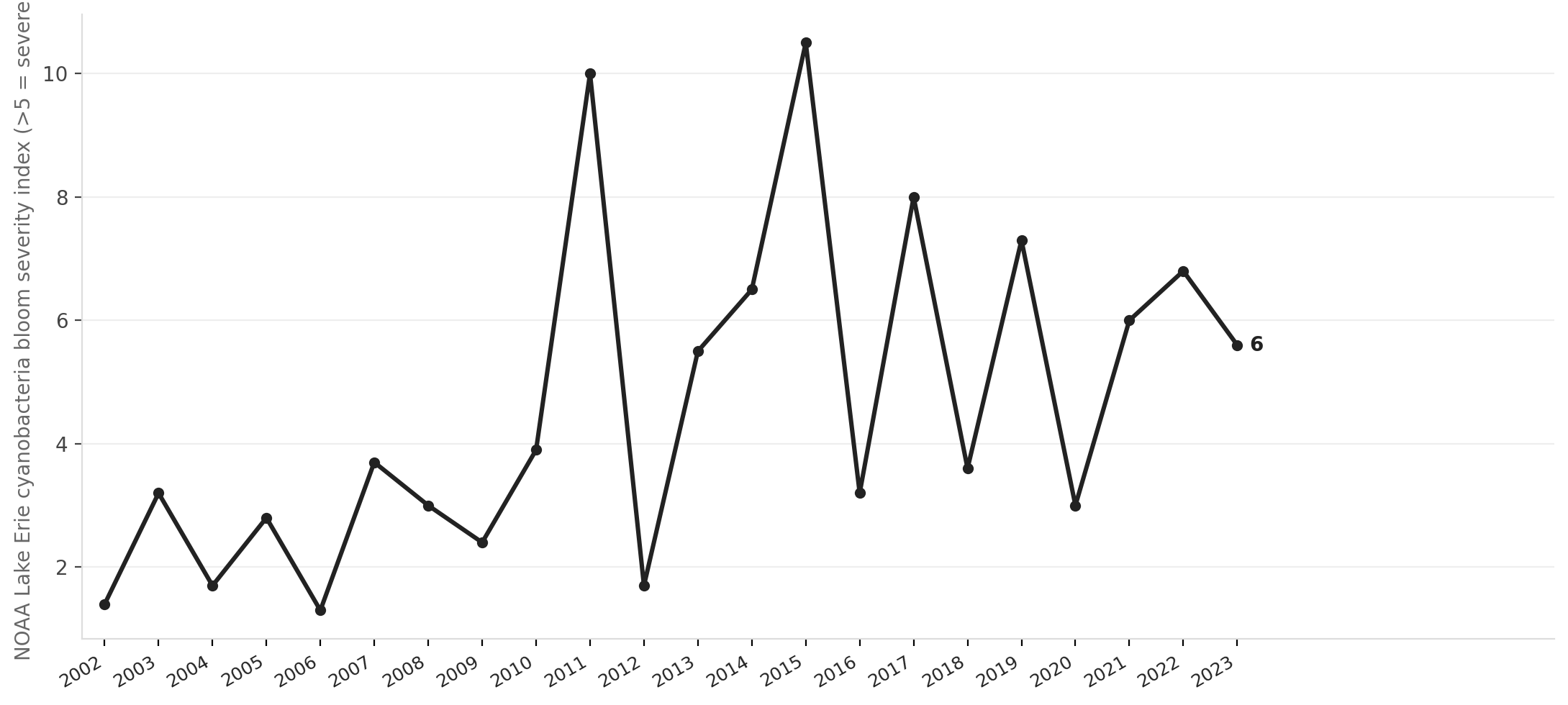
Conditions worsened sharply around 2019 and 2020, prompting residents in Harrison Township, St. Clair Shores, Chesterfield, New Baltimore and other shoreline communities to pack town halls and form advocacy groups including Save Lake St. Clair and the Lake St. Clair Guardians. The lake supports an estimated $5 billion-plus regional recreational economy, and its walleye fishery and boating culture are central to local identity and property values.
Macomb County Public Works Commissioner Candice Miller, a former U.S. congresswoman, has been the most vocal political champion for cleanup, framing muck as the single biggest threat to the lake. Federal lawmakers including Sen. Gary Peters and Reps. Lisa McClain and Shri Thanedar have pushed for funding through the Great Lakes Restoration Initiative, which was reauthorized in 2024 at expanded funding levels.
The field trial results will shape whether the county pursues a larger, costlier removal effort, or concludes that the problem, for now, has no practical solution at scale.