A rural watershed in southeastern South Dakota is getting $618,150 in federal flood mitigation funding, part of a national effort to reduce flood damage before disasters strike rather than simply paying for recovery afterward.
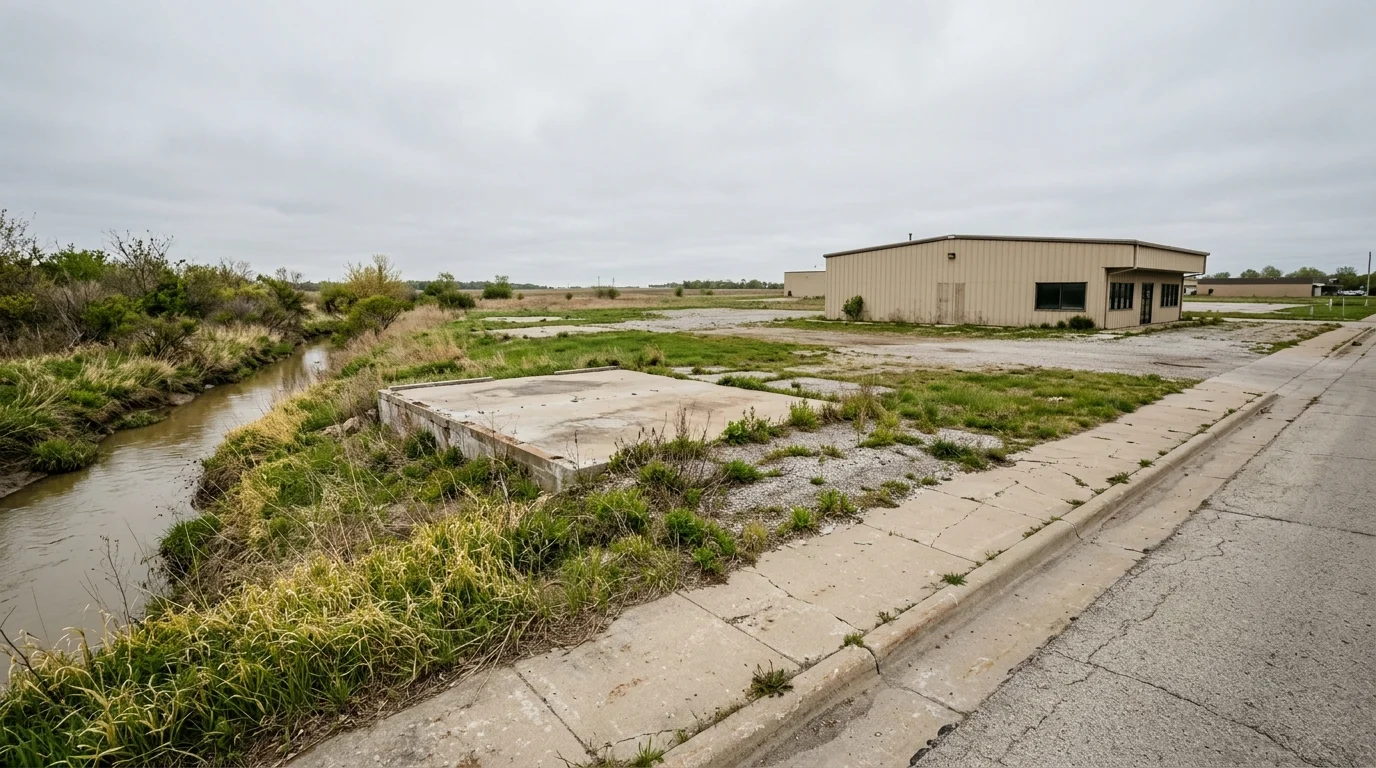
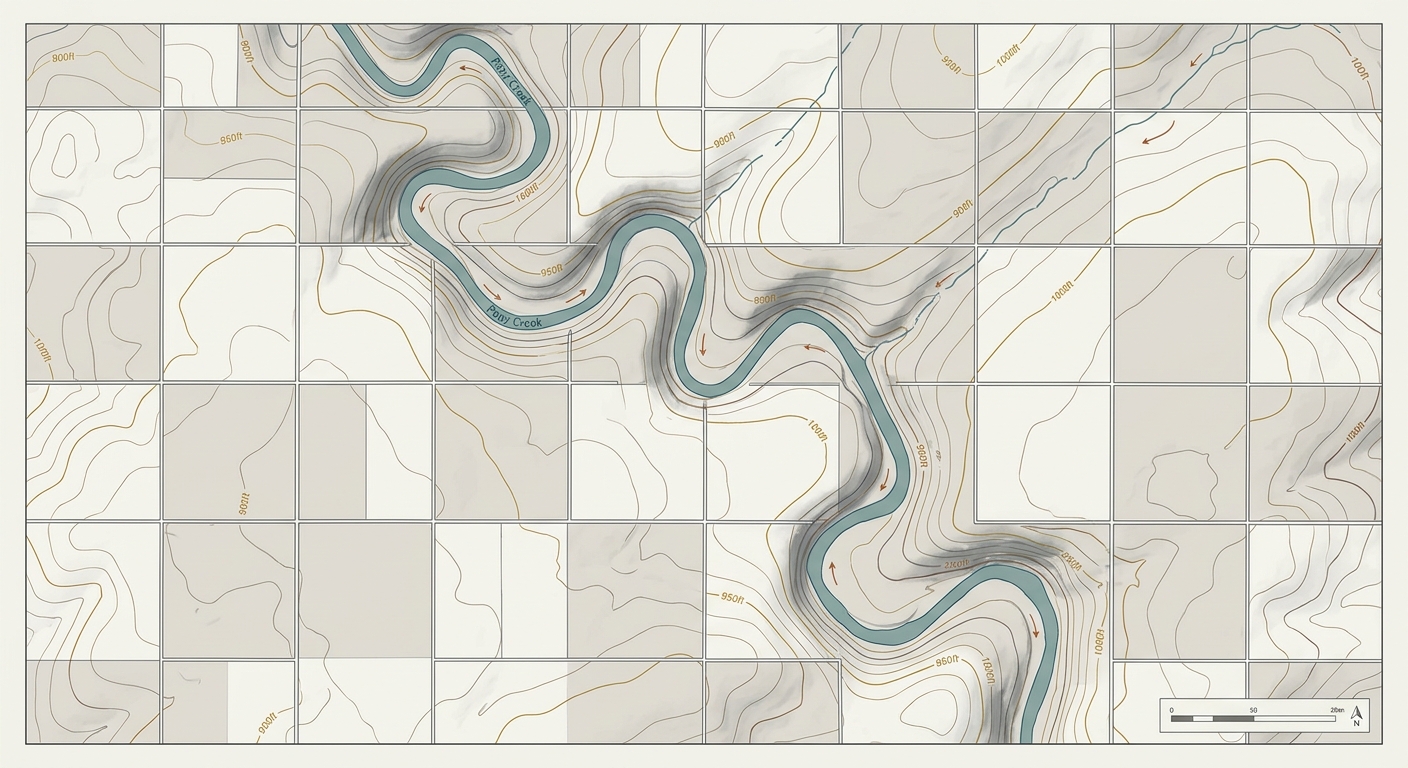
The money comes through FEMA's Flood Mitigation Assistance program, administered in South Dakota by the Department of Public Safety, and is designated for Pony Creek flood risk reduction. The specific project type, whether channel improvements, a detention basin, or another approach, has not been detailed publicly, and the downstream community and number of structures at risk would need to be confirmed with the state emergency management office.
What is clear is why this kind of project matters in the region. The Upper Midwest has seen a 30% increase in the heaviest rainfall events since the 1950s, according to NOAA data. The Missouri River basin, where Pony Creek drains, has been repeatedly battered: the 2019 spring floods alone caused more than $3 billion in damage across South Dakota, Nebraska, and Iowa, prompting multiple federal disaster declarations across the region.
Rural watersheds like Pony Creek are particularly exposed. Agricultural land use, including tile drainage systems and channelized streams, has accelerated runoff over decades. And small rural communities often lack the staff and budgets to fund infrastructure improvements on their own, making state-administered federal grants the only realistic path to mitigation projects of this scale.
FEMA has made a strategic push toward pre-disaster investment in recent years. Research underpinning that shift finds that every dollar spent on mitigation saves roughly six dollars in avoided disaster costs. The Infrastructure Investment and Jobs Act of 2021 injected $3.5 billion into flood mitigation programs over five years, a historic increase that generated the FY2023 funding cycle this grant draws from.
But the timeline illustrates a persistent challenge: this grant was appropriated in the 2023 fiscal cycle and the subaward was posted in January 2026, a lag of roughly two to three years from federal funding to local project execution. That gap is typical for the program, but as rainfall events intensify and flood frequency grows, the question of whether the funding pipeline can keep pace is increasingly pointed.
South Dakota's Department of Public Safety will oversee the project. No construction timeline has been publicly announced.