Wayland, Massachusetts is moving to repair and rebuild stretches of its aging road network under a three-year, $1.2 million contract, as the small suburban town grapples with infrastructure built largely during the postwar suburban boom that is now well past its designed lifespan.
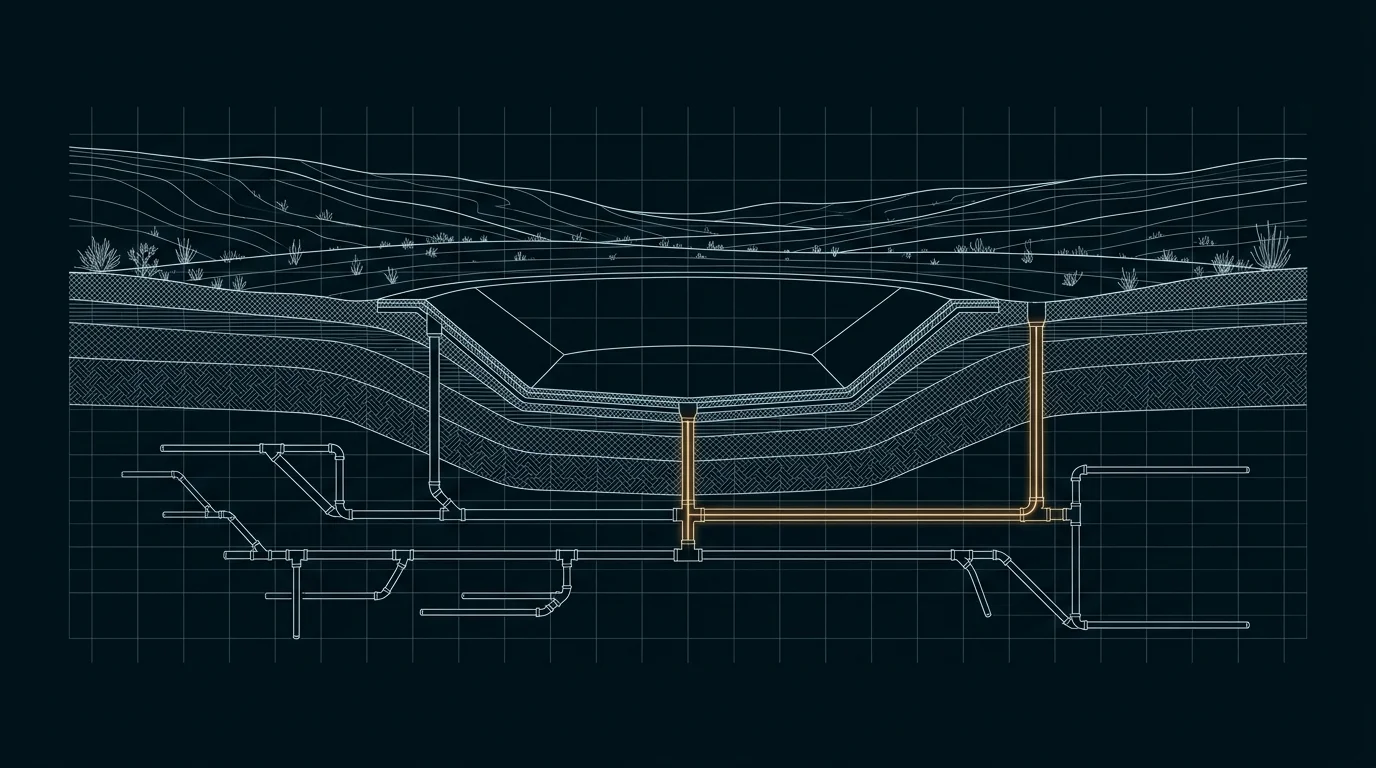
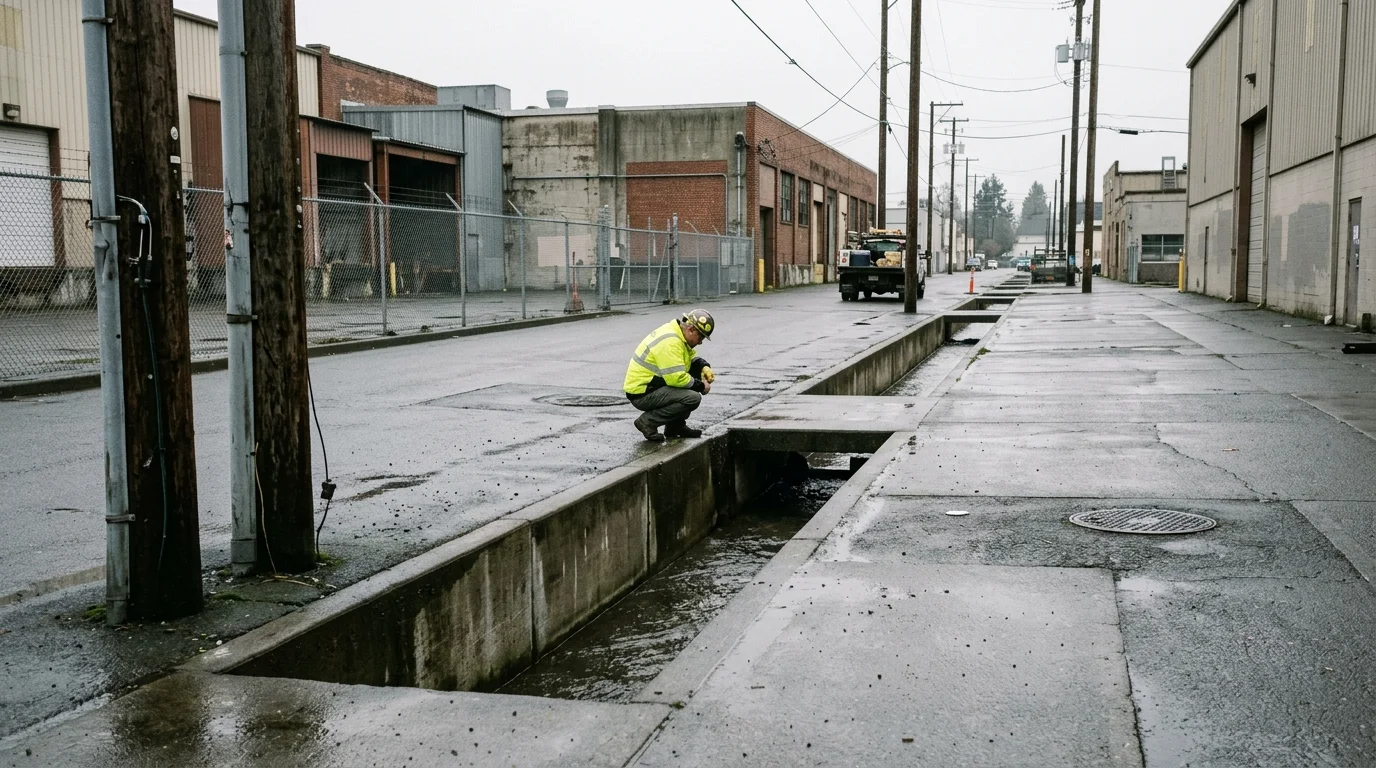
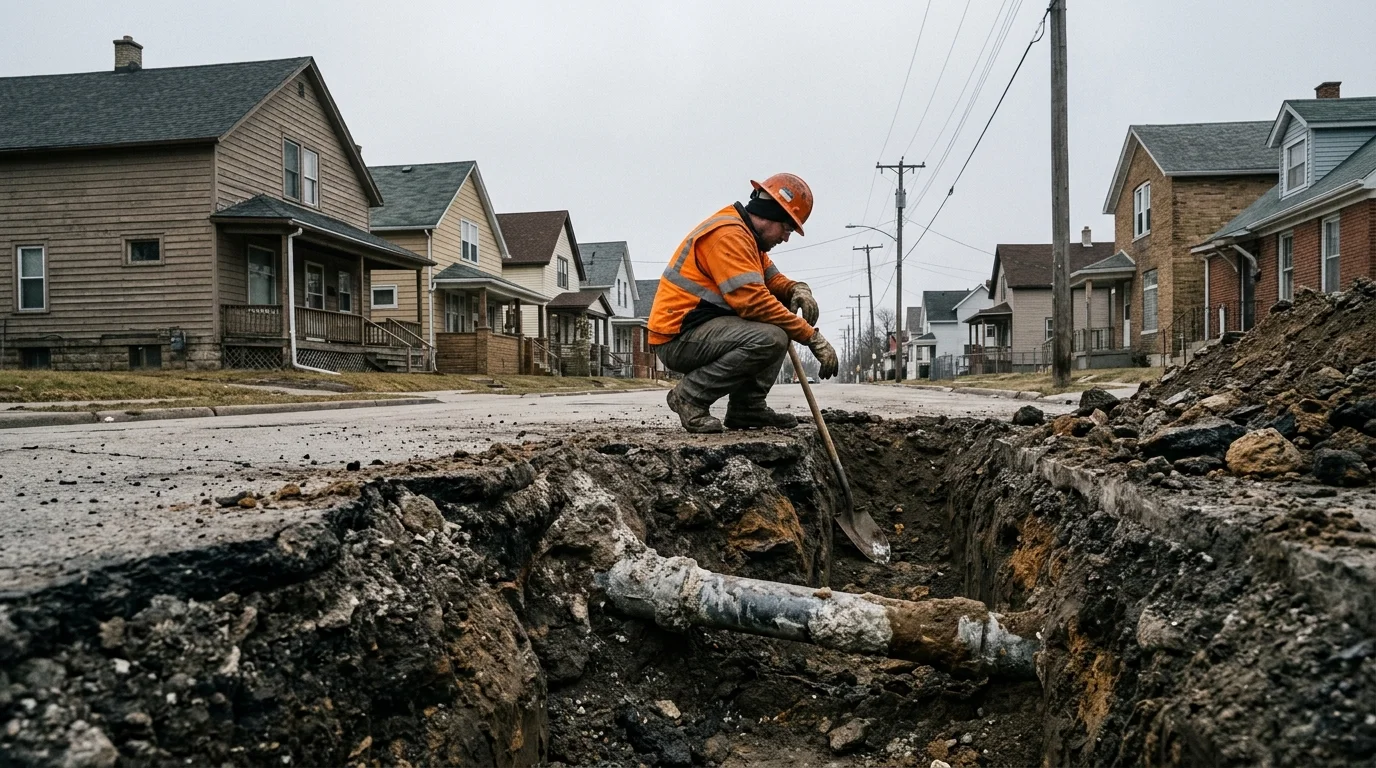
The town has more than 90 miles of public roads, most of them constructed during the 1950s through 1970s. The work being contracted out covers pavement milling, structural repairs, and drainage controls, standard rehabilitation work for roads that have worn down over decades of use and harsh New England winters. Some of the reconstruction may require night work, suggesting at least some targeted roads carry enough daily traffic that daytime closures would significantly disrupt residents.
At $400,000 per year, the program likely draws on a combination of local capital funds approved at Wayland's annual Town Meeting and the state's Chapter 90 program, Massachusetts's primary mechanism for funding local road maintenance. That program has long been a source of frustration for cities and towns. The Massachusetts Municipal Association has pushed for years to raise annual statewide Chapter 90 funding above $200 million, arguing that current allocations leave municipalities perpetually behind on repairs. A town Wayland's size typically receives a few hundred thousand dollars annually from the program, which barely covers a fraction of the maintenance backlog many communities face.
Wayland is an affluent community of roughly 13,500 people about 15 miles west of Boston, with property taxes as its dominant revenue source. Even so, it faces the same structural funding shortfall as less wealthy towns: state aid for local roads has not kept pace with the cost of maintaining infrastructure that is increasingly overdue for replacement.
The three-year contract structure gives the town more predictability, locking in unit pricing and contractor availability across multiple construction seasons rather than rebidding the work each year. Contractors must be prequalified by the Massachusetts Department of Transportation and pay workers at state-mandated prevailing wage rates.
The town posted the bid solicitation on April 22. Residents will likely see road work begin once a contractor is selected and construction-season conditions allow.