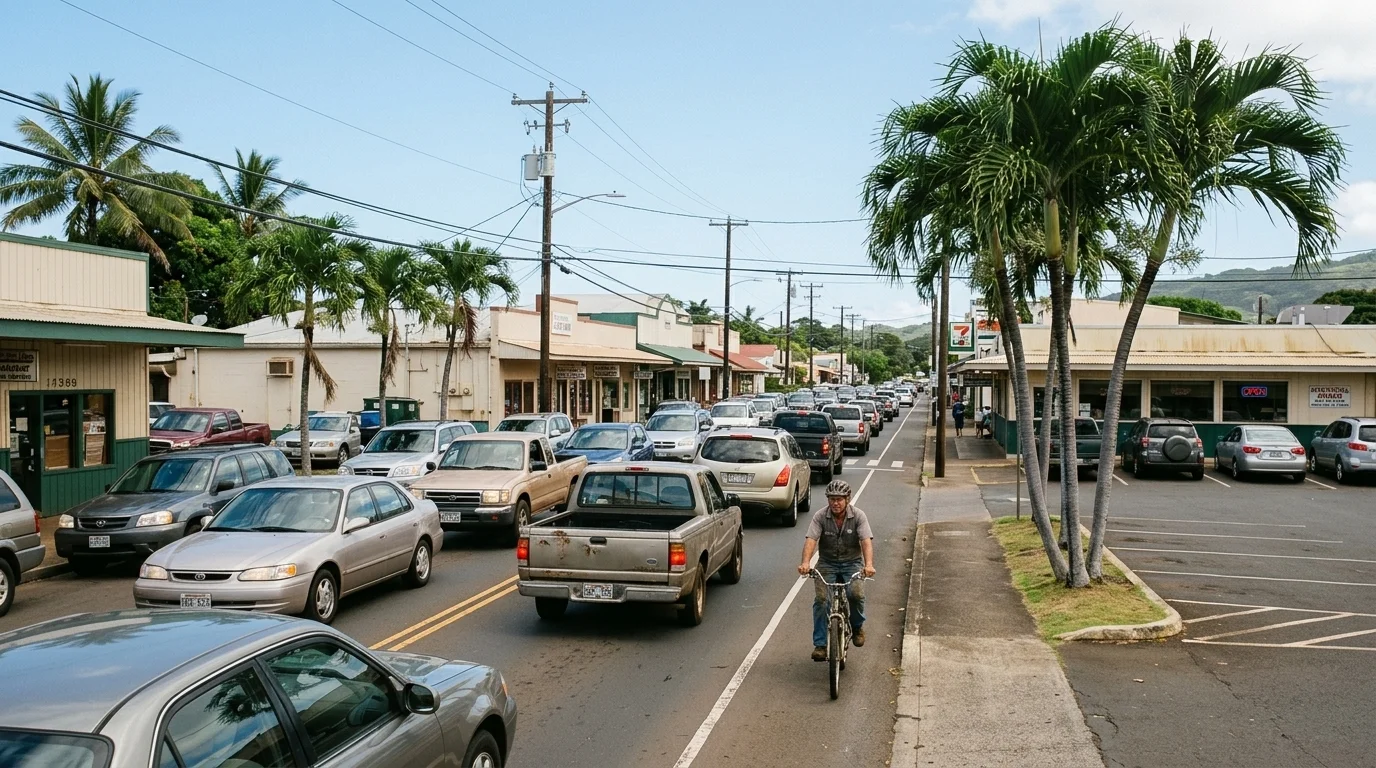
Coachella, California has long had a mismatch at its core: a predominantly Latino city of roughly 48,000 where residents walk, bike, and take transit at rates well above their wealthier neighbors, yet where many streets were built with little thought for anyone outside a car. The city is now using a $360,000 federal grant to develop a comprehensive road safety plan aimed at changing that.
The funding comes from the U.S. Department of Transportation's Safe Streets and Roads for All program, created by the 2021 Bipartisan Infrastructure Law. The program marked the first time federal road safety dollars flowed directly to cities rather than through state transportation agencies, and it has been in high demand: applications have consistently exceeded available funding by multiples.
For Coachella, the stakes are concrete. Many of the city's neighborhoods, developed as unincorporated land before annexation or converted from agricultural use, lack basic pedestrian infrastructure: sidewalks, safe crossings, and lighting. Major corridors carry high-speed traffic through areas where farmworkers and other residents on foot have few accommodations. Add summer temperatures that regularly exceed 100 degrees Fahrenheit, and the time residents spend exposed on unsafe roads becomes a compounded risk.
The pattern Coachella fits is well-documented nationally. Research has consistently shown that lower-income communities and communities of color, particularly in Sun Belt cities with wide arterial roads, experience disproportionately high pedestrian and cyclist fatality rates. Riverside County, where Coachella sits, has above-average traffic fatality rates for California overall. Similar dynamics have driven SS4A grants to other California cities, including a recent planning award to Hesperia and a larger regional safety effort in Sacramento.
The $360,000 covers planning only, not construction. Under the SS4A structure, a completed action plan is a prerequisite for competing for implementation grants, which can run into the tens of millions and fund the physical infrastructure changes. Coachella is at the beginning of that pipeline.
Whether the implementation funding ultimately arrives is an open question. The SS4A program has faced scrutiny under the current administration, with some awards reportedly delayed or under review. The city's local budget cannot fill the gap left by decades of underinvestment on its own. The plan that comes from this grant will matter most if it opens the door to what comes next.