Weber County, Utah is finally getting a new water plan. The Ogden River Water Users Association has received a $222,500 federal grant from the Bureau of Reclamation's WaterSMART program to replace a master plan written in 1997, before the region's population surged by nearly 70,000 people and before a 25-year megadrought transformed the water outlook for the entire American West.
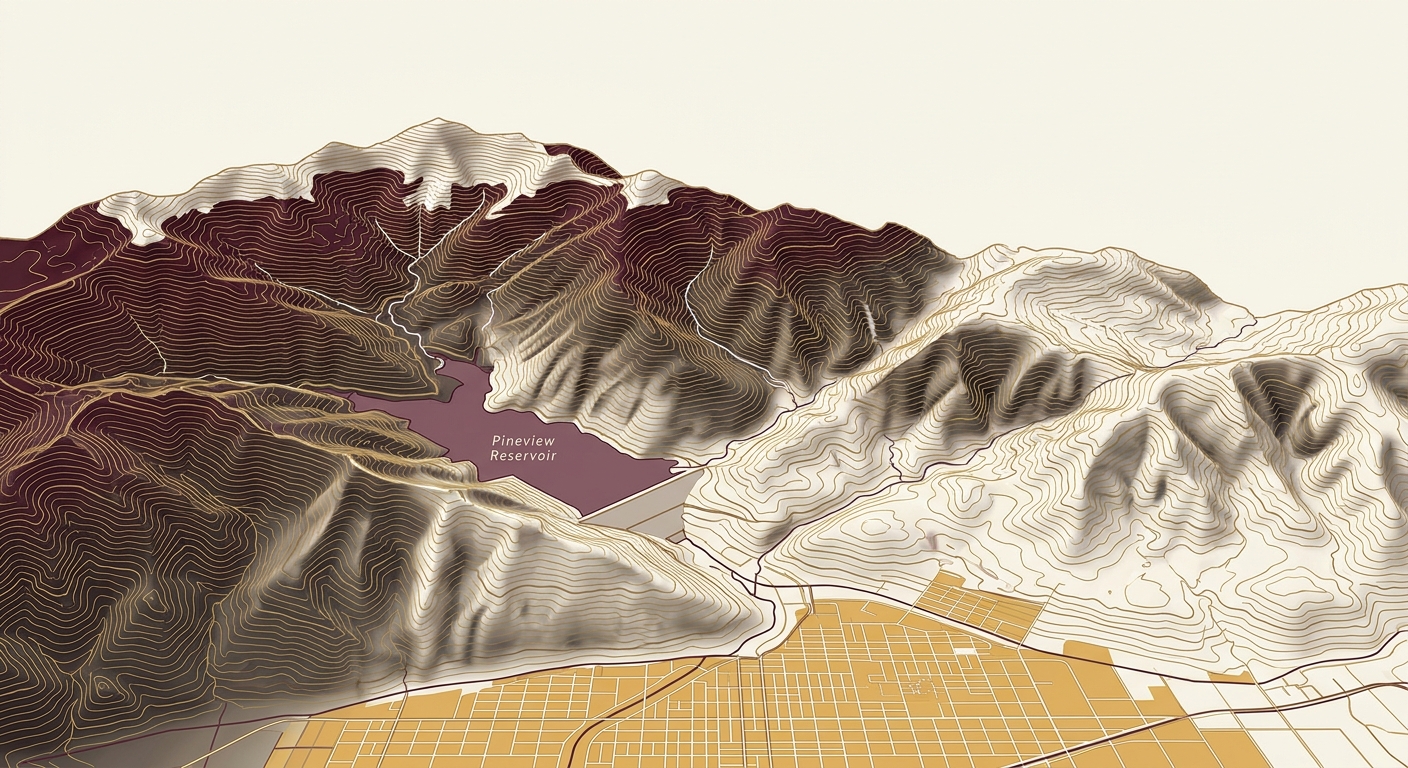
The gap between what the 1997 plan assumed and what the Ogden River system actually faces today is stark. Weber County's population has grown from roughly 196,000 in 2000 to more than 265,000 by 2023, far exceeding the projections the old plan was built on. At the same time, the snowpack-fed reservoirs and mountain streams the region depends on have come under severe stress. During the 2020-2022 drought, Pineview Reservoir, a critical storage facility in Ogden Valley that the Ogden River system feeds, dropped to alarming levels. Great Salt Lake hit historic lows in 2022. Utah Governor Spencer Cox declared a drought emergency in 2021.
The new plan will go well beyond a simple update. The association will model vulnerabilities in aging infrastructure, conduct a water savings study, evaluate how drought affects the system's long-term supply, and review water rates and fees — historically among the lowest in the nation in Utah, a dynamic that has complicated conservation efforts. Four partner agencies have committed to participating: South Ogden Conservancy District, Weber Box-Elder Conservancy District, Pineview Water Systems, and Weber Basin Water Conservancy District, the largest wholesale water provider along the Wasatch Front.
The funding comes through the WaterSMART program, which Congress expanded significantly through the 2021 Bipartisan Infrastructure Law and the 2022 Inflation Reduction Act, together directing over $8 billion toward western water infrastructure and drought resilience. Utah, as an upper Colorado River Basin state, has been a particular focus of federal urgency around water planning as aridification accelerates across the region.
Utah's legislature has also moved on water policy in recent years, requiring universal water metering starting in 2022 and creating a dedicated Great Salt Lake Commissioner position in 2023. But local water districts still need updated plans to translate those mandates into operational reality — which is what this grant is meant to produce.
The association has not announced a completion timeline for the new strategy plan. Whether the finished product can guide infrastructure investments fast enough to keep pace with continued growth — and continued warming — remains the open question for Weber County's water future.