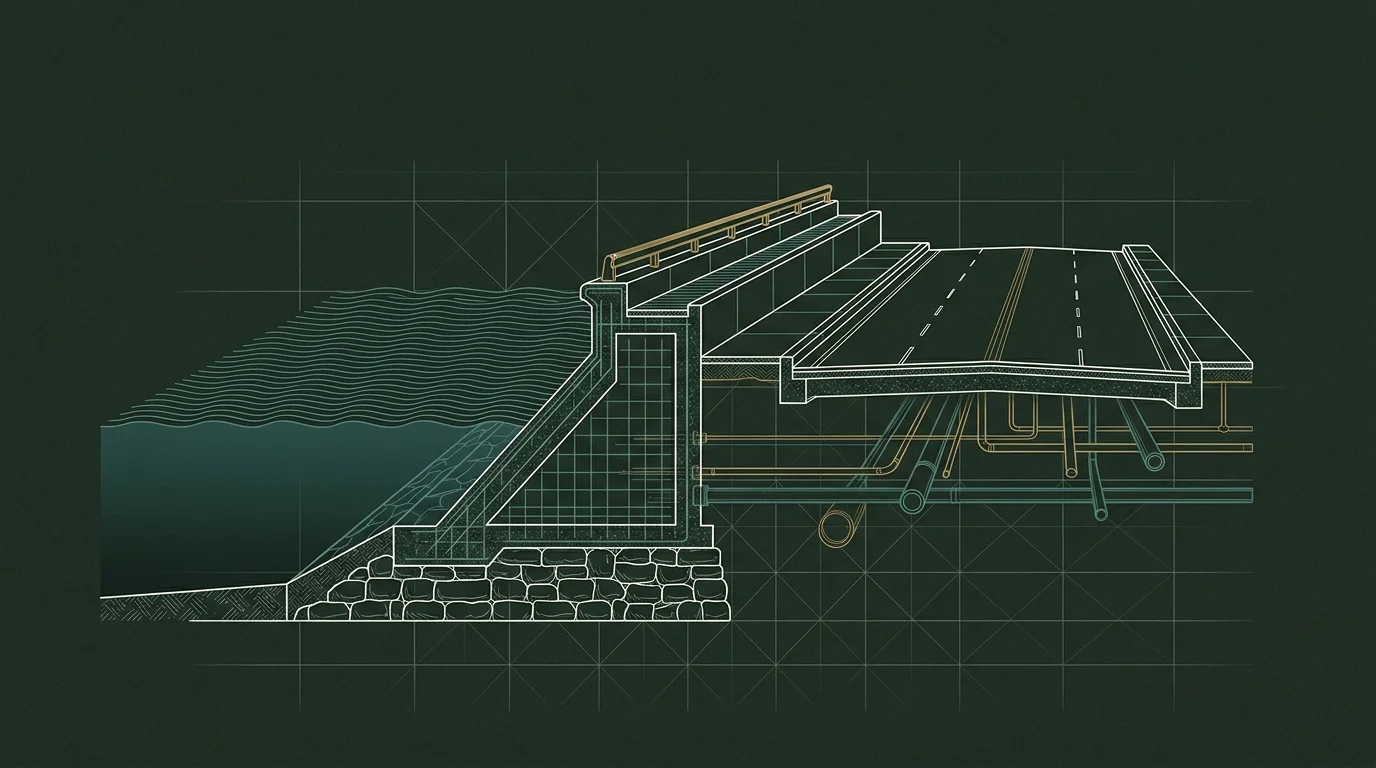
Salem, Massachusetts is moving to reconstruct the seawall along Columbus Avenue, a stretch of aging coastal defense that protects the city's waterfront road, utilities, and the harbor district at the heart of its economy.
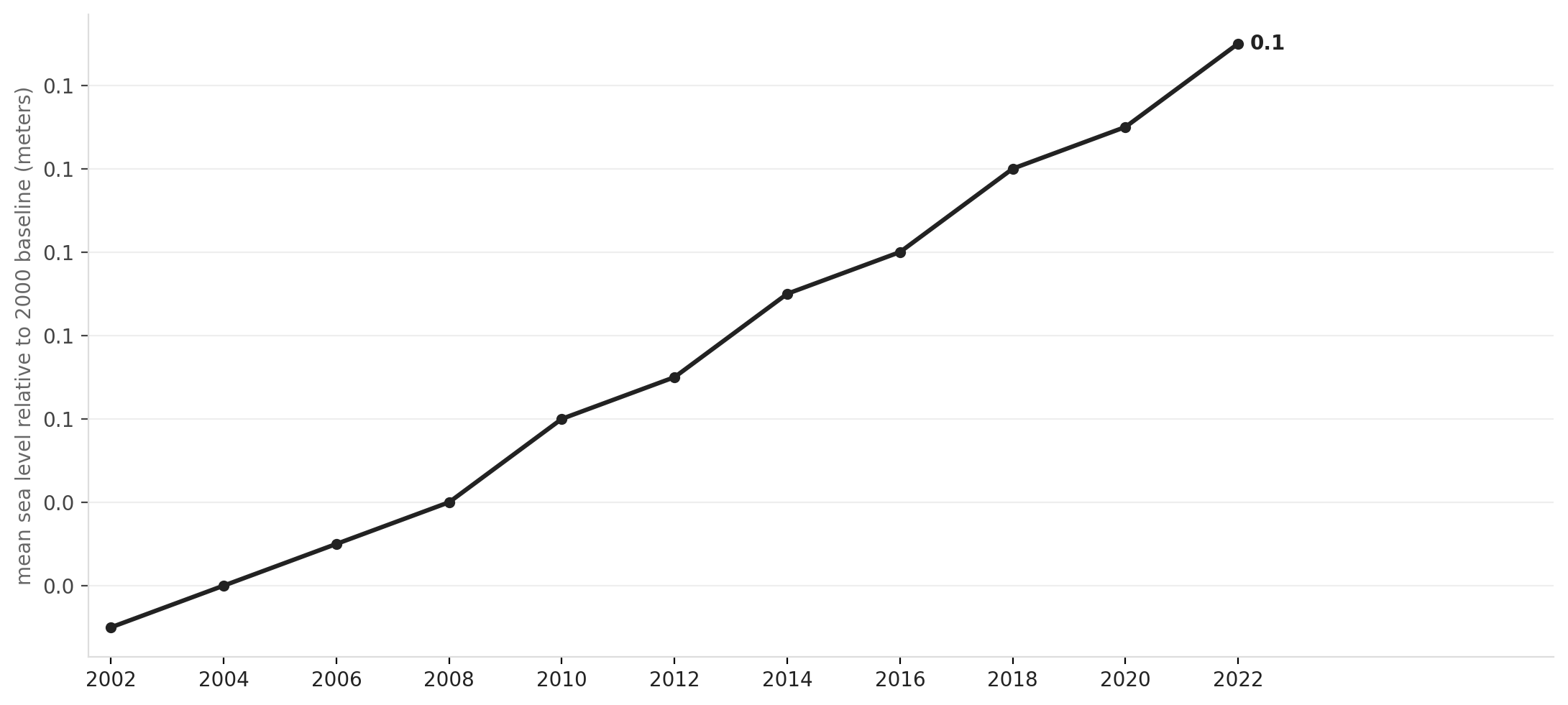
The project has been years in the making. A January 2018 bomb cyclone sent floodwaters pouring into downtown Salem and along Derby Street, making viscerally clear that the city's seawalls, many built in the early-to-mid 20th century, were no longer adequate for the storms and sea levels the North Shore is now facing. NOAA's Boston tide gauge shows roughly 11 inches of sea level rise since 1921, with the rate accelerating.
Columbus Avenue runs along Salem Harbor in a district that Salem has invested heavily in developing: restaurants, residential buildings, and a commuter ferry to Boston that launched the same year as the bomb cyclone. A seawall failure there would threaten not just the road but the infrastructure underneath it and the broader waterfront economy that draws more than a million visitors annually, especially during the city's renowned October season.
Salem completed its designation under Massachusetts' Municipal Vulnerability Preparedness program, a state initiative launched in 2017 that pushed cities to identify and prioritize climate adaptation projects. Seawall reconstruction along Columbus Avenue emerged as one of those priorities. Design and permitting work appears to have been completed, and the city is now seeking a contractor to carry out the reconstruction.
For a Gateway City of roughly 44,000 people with a modest tax base, a project like this typically depends heavily on state and federal funding. Massachusetts' Coastal Zone Management office and its Seaport Economic Council have funded seawall design and repair work across the state, and federal programs under the Bipartisan Infrastructure Law have directed significant dollars toward exactly this kind of coastal resilience work.
This project has been covered as part of Salem's broader coastal vulnerability, including earlier reporting on the city's seawall challenges. With procurement underway, the next visible milestone will be contractor selection and the start of construction.