American teenagers are dying from fentanyl overdoses at historically elevated rates, and hundreds of thousands more are growing up without parents lost to the opioid epidemic. The federal government is now inviting communities to compete for grants designed to reach those young people.
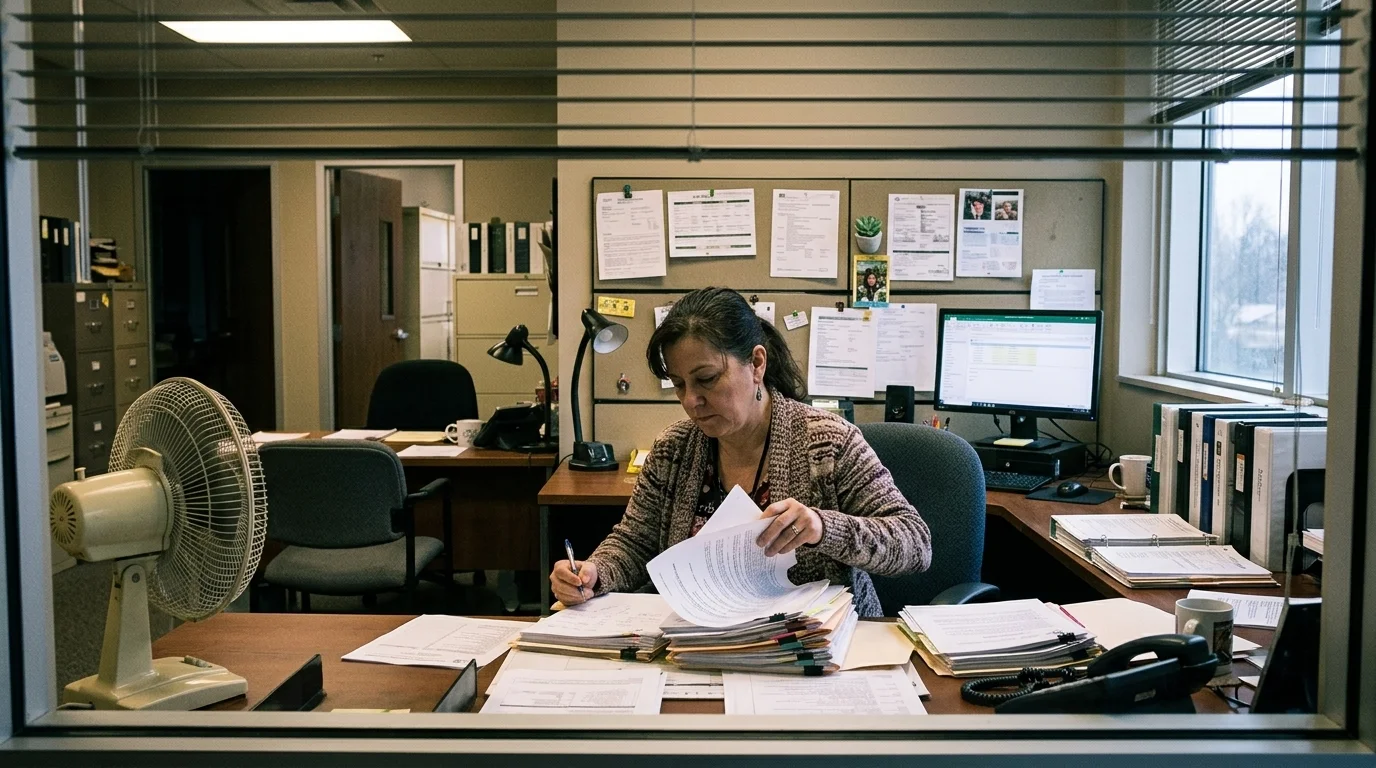
The Office of Juvenile Justice and Delinquency Prevention (OJJDP), a branch of the U.S. Department of Justice, has opened its FY2025 Opioid Affected Youth Initiative to applicants nationwide. The program funds local organizations and agencies providing prevention, treatment, recovery support, and wraparound services to youth who are either using opioids directly or living with the fallout from a family member's addiction.
The scale of the problem the grants are meant to address is stark. Overdose deaths among teenagers aged 14 to 18 rose from roughly 492 in 2019 to more than 1,100 in 2021, a spike driven almost entirely by illicit fentanyl and counterfeit pills increasingly sold through social media platforms. The deaths have declined somewhat since that peak, as have overall national overdose figures, which dropped from a record 111,000 in 2022 to an estimated 90,000 to 95,000 by late 2024. But fentanyl's presence in the drug supply remains pervasive, and the DEA's ongoing "One Pill Can Kill" campaign reflects how little margin for error young users face.
The collateral damage runs even deeper. An estimated 321,000 children were orphaned by opioid-related deaths between 2011 and 2021, creating ripple effects across foster care systems, schools, and juvenile courts. OJJDP's focus on the justice side of the crisis reflects a practical reality: for many opioid-affected youth, a courtroom or detention facility is often where they first encounter any kind of intervention.
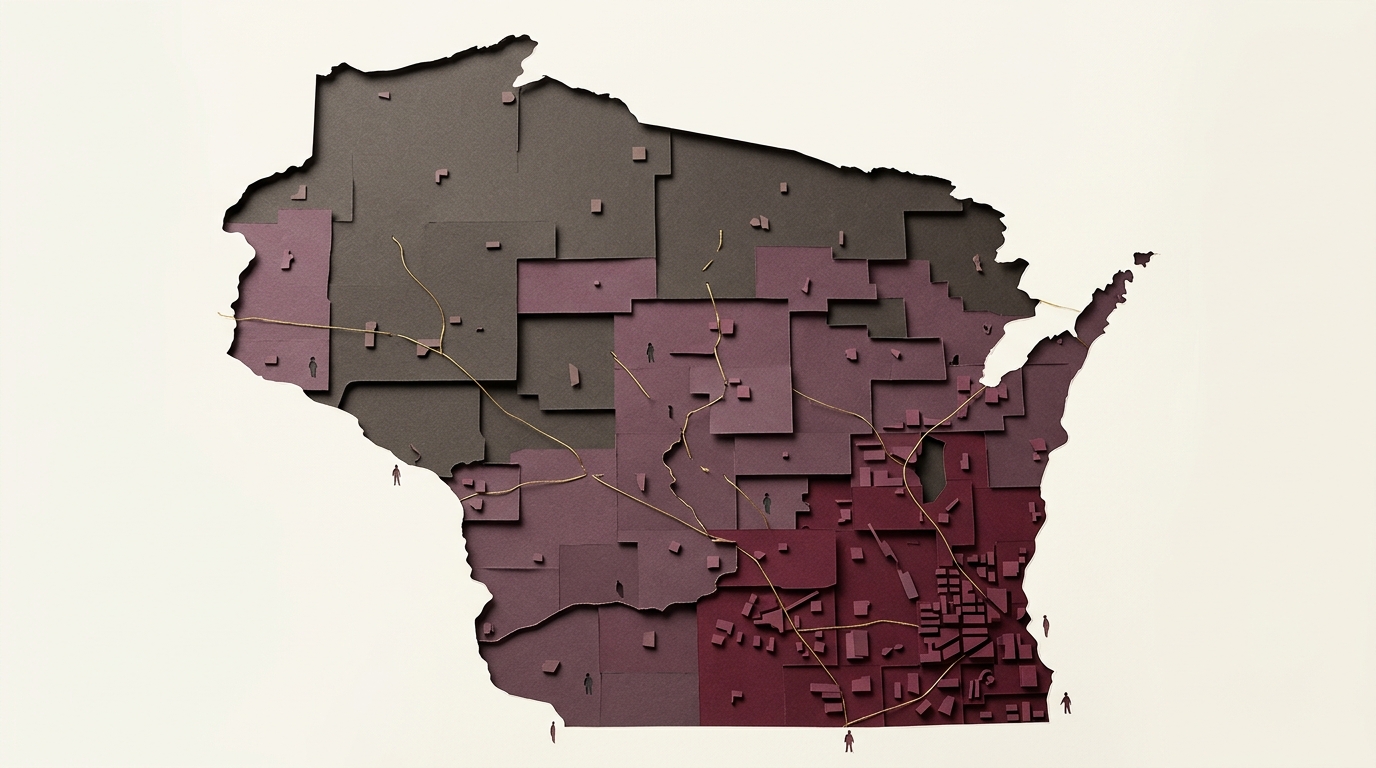
This is at least the fourth consecutive year OJJDP has run the initiative, following similar competitions in FY2022, FY2023, and FY2024. Past cycles typically produced between five and fifteen awards ranging from $1 million to $5 million each. Rural communities, Appalachian states, and tribal nations, which have faced some of the highest opioid death rates, have historically been competitive applicants. States with limited Medicaid expansion often rely more heavily on grants like these because fewer public treatment options exist for young people.
The application deadline is listed as May 11, 2026, which would be an unusually long window from the posting date and may reflect a data entry issue worth verifying directly with OJJDP.