Swanton, Vermont is moving to fix stormwater infrastructure that has struggled to keep up with worsening floods while simultaneously failing to meet some of the strictest water quality targets on Lake Champlain.
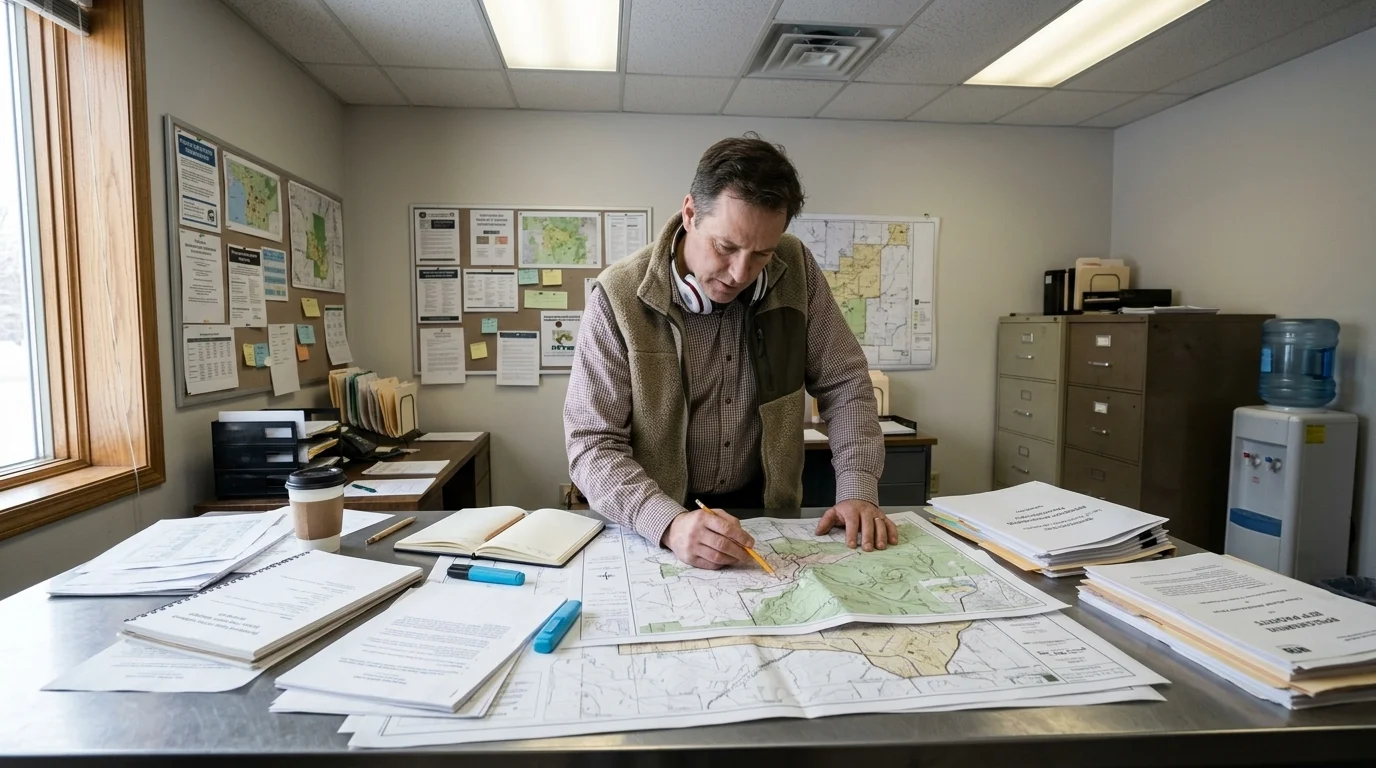
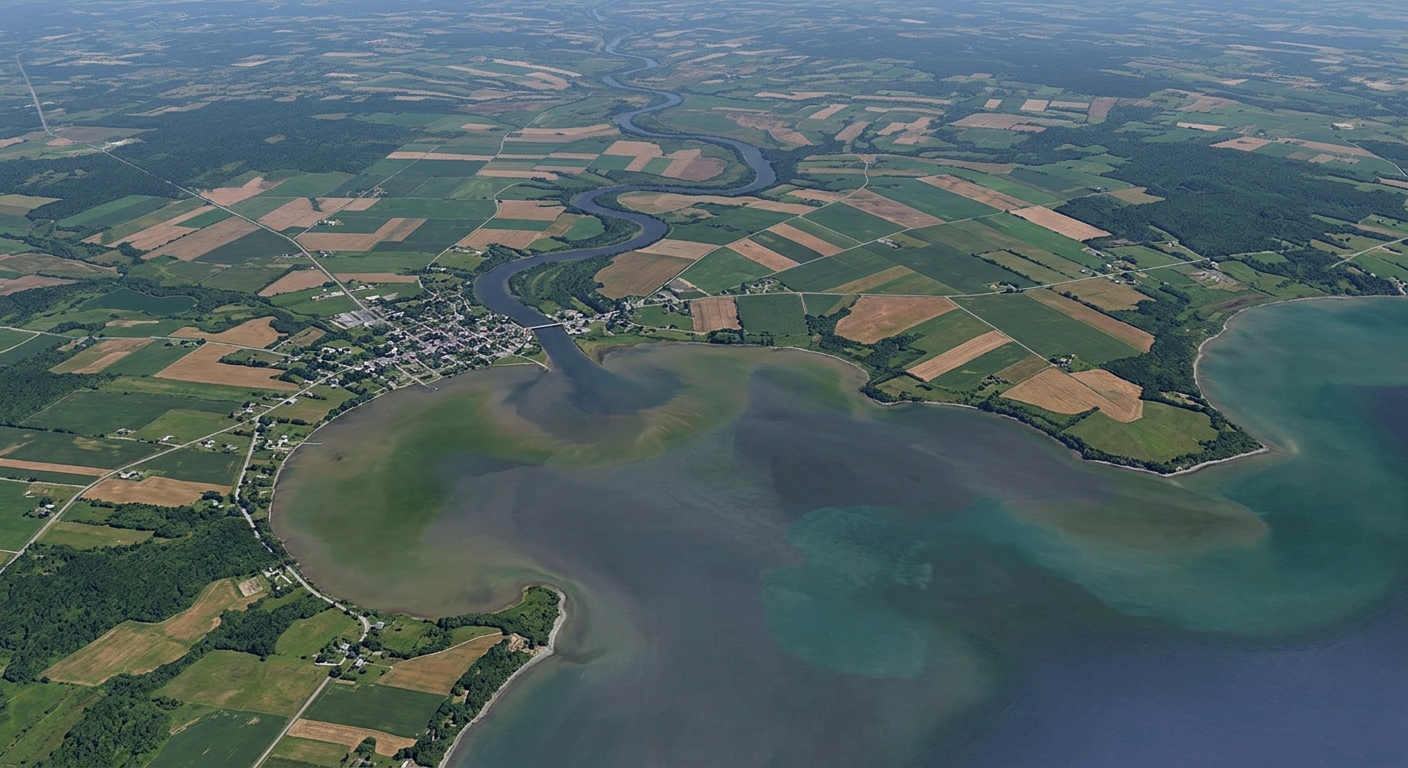
The village of roughly 2,500 people in Franklin County is seeking a contractor to develop a comprehensive stormwater improvement plan, a project posted through the state's Department of Economic Development that suggests state funding or technical assistance is involved. The plan has two overlapping goals: reduce flooding in a community built at the confluence of the Missisquoi River and Missisquoi Bay, and cut phosphorus runoff draining into one of the lake's most impaired segments.
Missisquoi Bay, the northernmost arm of Lake Champlain, has been under a federally mandated pollution reduction plan since 2016. Vermont is required to cut phosphorus loading to the bay by 34.6 percent, the most aggressive target of any segment of the lake. Excess phosphorus, much of it washing off dairy farms upstream, has caused repeated algal blooms that render the bay unsafe for swimming and fishing. Swanton sits directly in the path of that runoff as the Missisquoi River empties into the bay.
At the same time, the village faces the flooding risk that has battered Vermont in recent years. The state suffered catastrophic floods in July 2023 when historic rainfall caused widespread damage across dozens of communities, followed by additional severe flooding in 2024. For small towns like Swanton, those disasters exposed stormwater pipes and culverts designed for a wetter climate than the one those systems were originally built for.
Vermont's Act 64, the state's own clean water law passed in 2015, added pressure by requiring municipalities to manage stormwater runoff under stricter state standards. Developing a stormwater master plan has become a practical prerequisite for accessing state and federal dollars, including money from the EPA's Clean Water State Revolving Fund and FEMA hazard mitigation programs, pushing communities to do the planning work before they can compete for construction funding.
For Swanton, the math is difficult. A village of 2,500 people carries a limited tax base against infrastructure needs that would challenge much larger communities. The gap between what state and federal mandates require and what a small rural municipality can afford on its own is a tension playing out in towns across Vermont and the broader rural Northeast.
Once a contractor is selected and the improvement plan is completed, the findings will likely determine what infrastructure projects Swanton pursues next and which funding streams the village applies for.