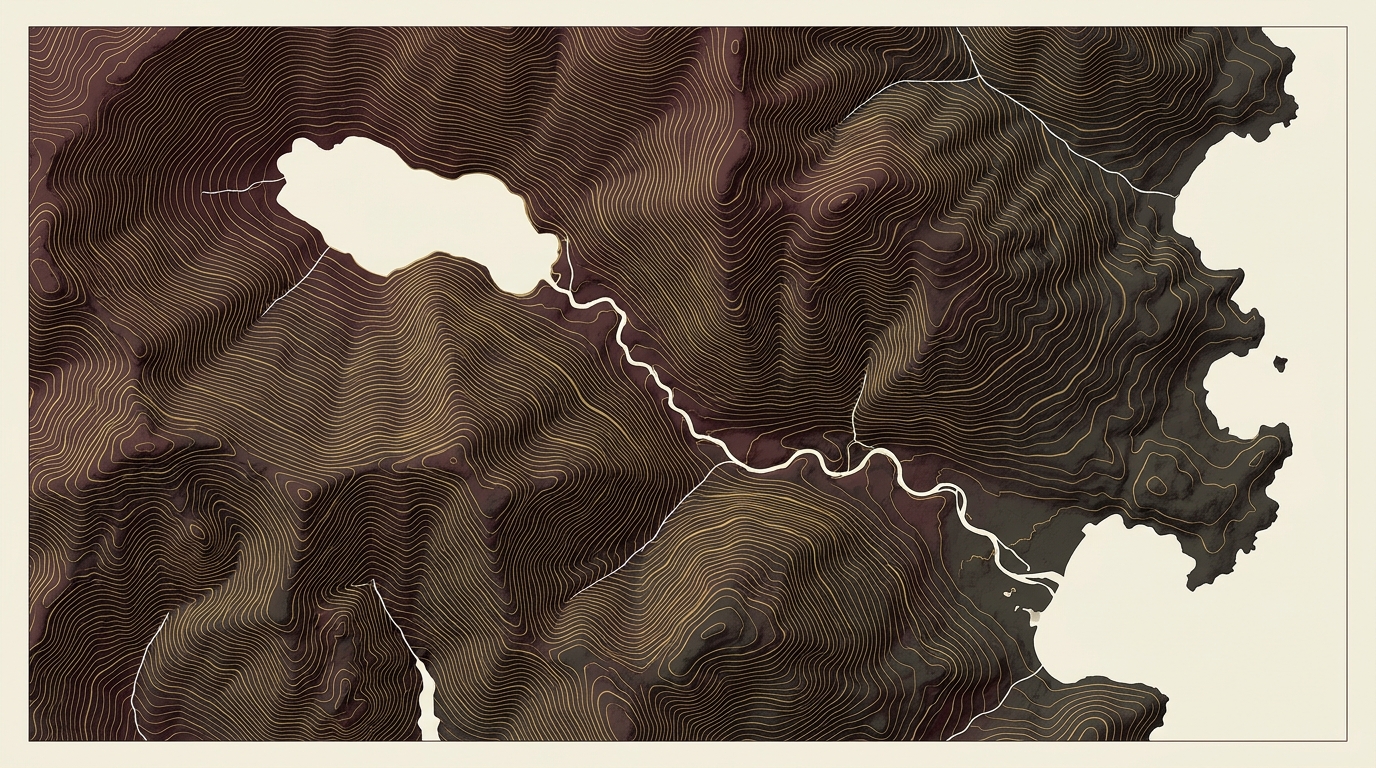
On Kodiak Island, Alaska, where salmon underpin the economy, the culture, and the dinner table, a steel pipe has been quietly blocking fish from reaching Lake Orbin for decades. The Kodiak Island Borough is now moving to remove it.
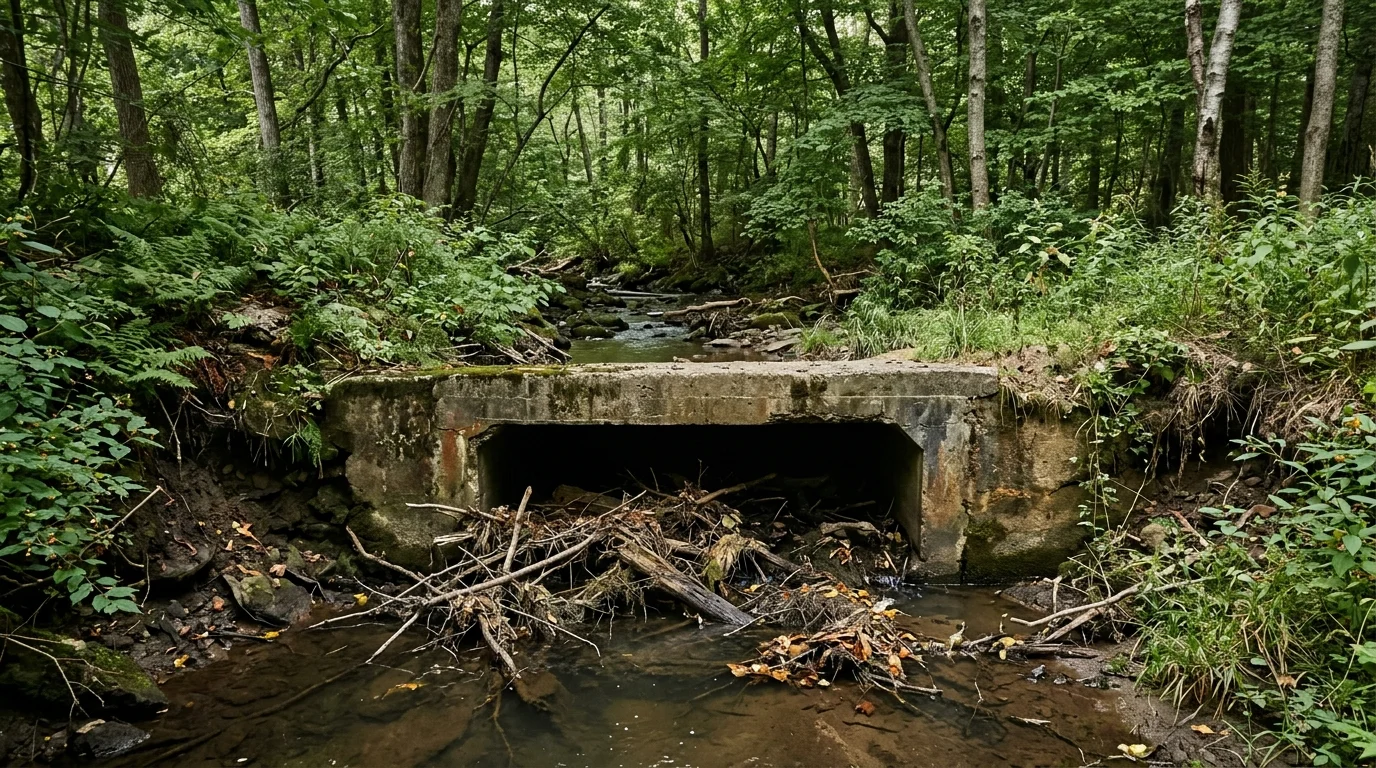
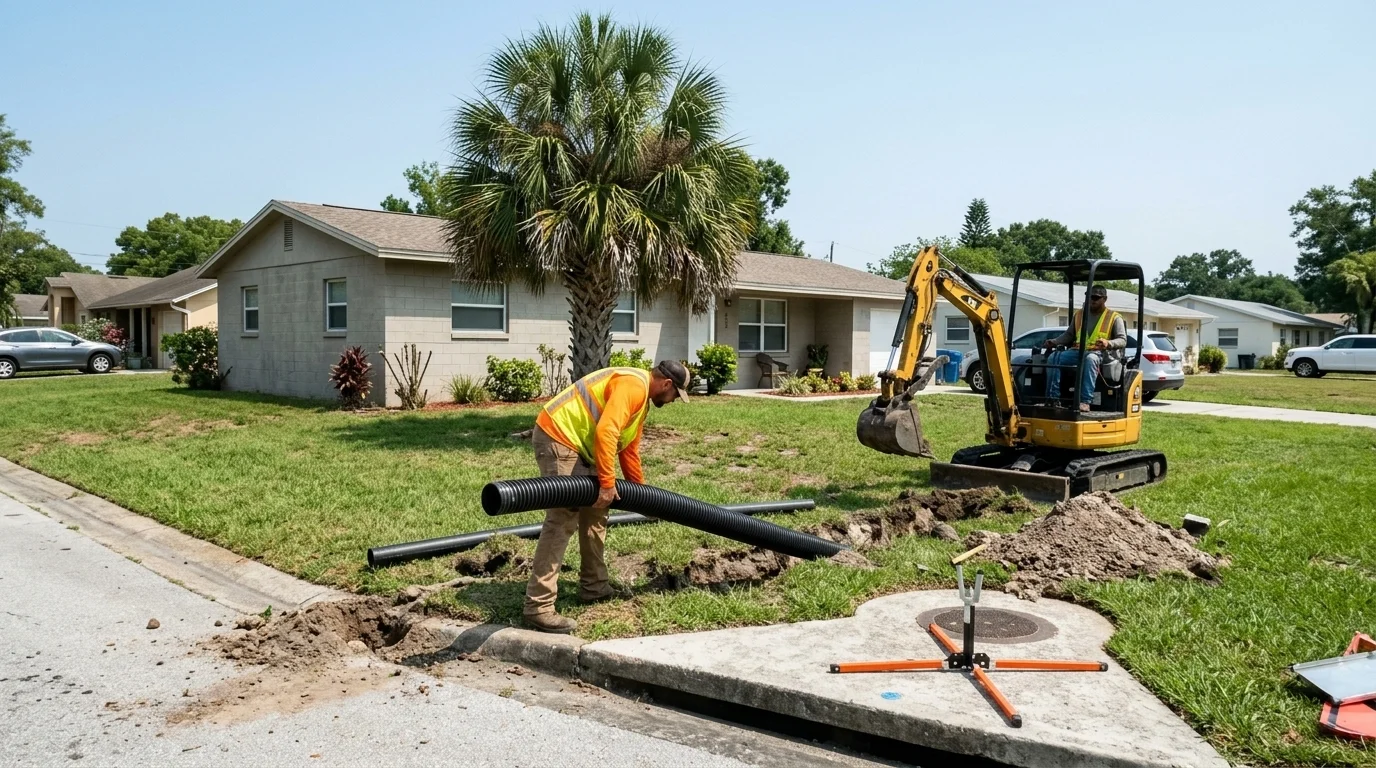
The borough is hiring a contractor to rip out an aging culvert at an unnamed inlet creek feeding Lake Orbin, near Womens Bay south of Kodiak city, and replace it with a design that lets salmon pass freely. The project is small in scale but reflects a problem that runs wide across Alaska: thousands of mid-20th-century culverts were built purely to move water under roads, with no thought given to the fish trying to swim through them. Many create waterfalls at their outlets, velocity barriers that exhaust migrating fish, or outright physical blockages. The Alaska Department of Fish and Game has catalogued more than 2,000 such barriers statewide and has been working with federal and tribal partners for years to fix them one by one.
The inlet creek at Lake Orbin likely supports pink, chum, coho, or sockeye salmon, all species central to Kodiak's commercial fishing industry, one of the largest fishing ports in the United States by volume and value. Even a small tributary can serve as critical spawning habitat, meaning a single culvert replacement can punch well above its weight.
The project also includes an alternate bid to remove a nearby debris dam and line the streambed with roughened stone, a technique designed to mimic natural stream conditions rather than just swap one pipe for another. The presence of both a culvert barrier and a debris dam suggests the creek has been degraded by multiple past modifications.
Contractors face a hard deadline driven by Alaska wildlife regulations: all work in the stream itself must be done by August 31, 2019, before salmon begin their fall spawning runs. The remaining site restoration work has until September 30. That tight window shapes everything about how the project gets executed, particularly on Kodiak Island, where all heavy equipment and materials have to arrive by barge.
The funding source for the project has not been publicly specified by the borough. Restoration projects of this type typically draw from a mix of NOAA's Community-based Restoration Program, the U.S. Fish and Wildlife Service's National Fish Passage Program, and state or local capital budgets.
If a contractor is selected in April and mobilizes quickly, crews will have roughly four months to complete the in-stream work before the regulatory window closes.