Kinngait, a predominantly Inuit hamlet of roughly 1,400 people on the southwest coast of Baffin Island in Nunavut, is moving to add modular housing units to a community where overcrowding has been the norm for decades and the waitlist for housing is measured in years.
A procurement posted on MERX, Canada's public tendering platform, seeks suppliers for prefabricated modular units deliverable to the community. The number of units, total value and delivery timeline were not specified in the posting. The issuing agency is not named in the record, though the procurement aligns with work typically handled by the Nunavut Housing Corporation.
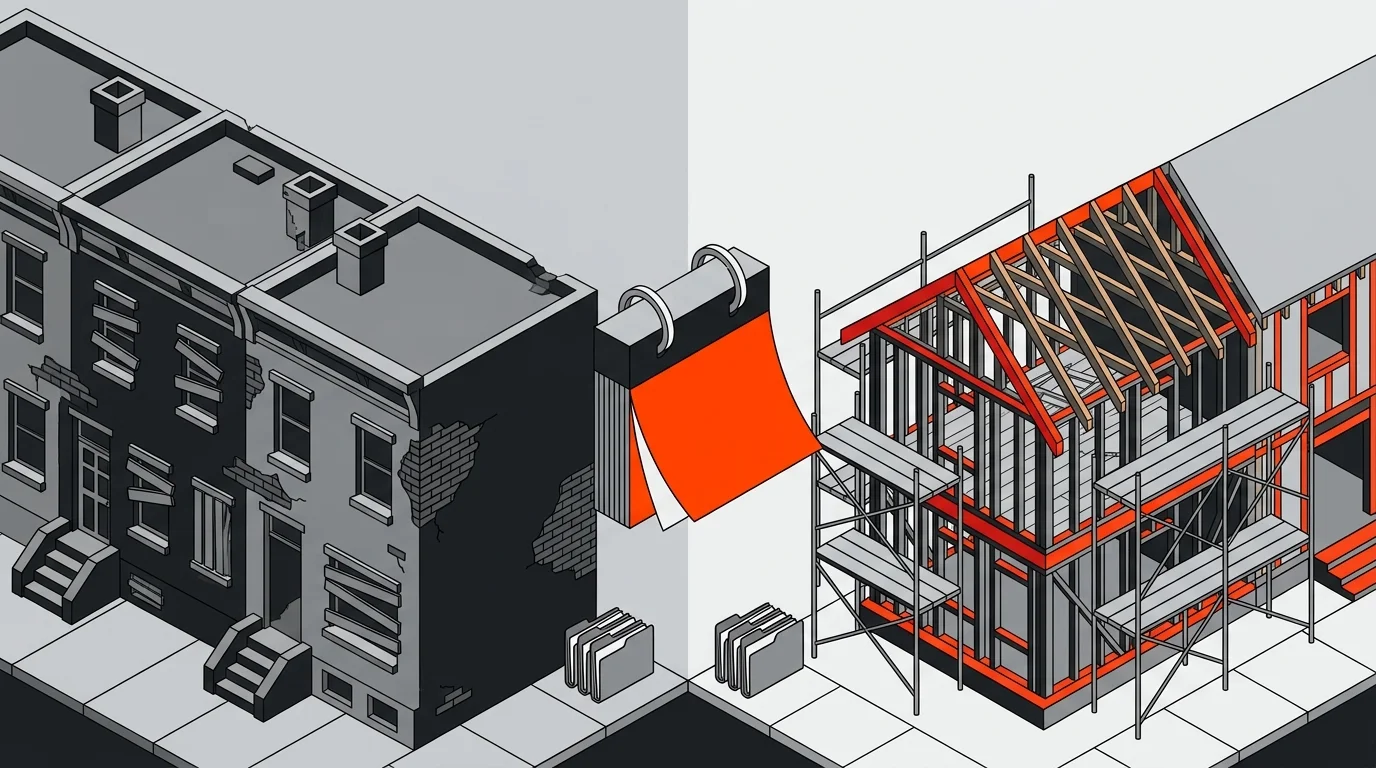
The choice of modular construction is practical necessity. Kinngait has no road connection to the rest of Canada. Everything arrives by air or by the annual summer sealift, which runs roughly July through October. That narrow window makes on-site construction extremely difficult and expensive, with costs in remote Arctic communities often running $700 to $900 per square foot, compared to $200 to $300 in southern Canada. Prefabricated units built elsewhere and shipped in by sealift compress the on-the-ground construction timeline dramatically.

Source: NationGraph.
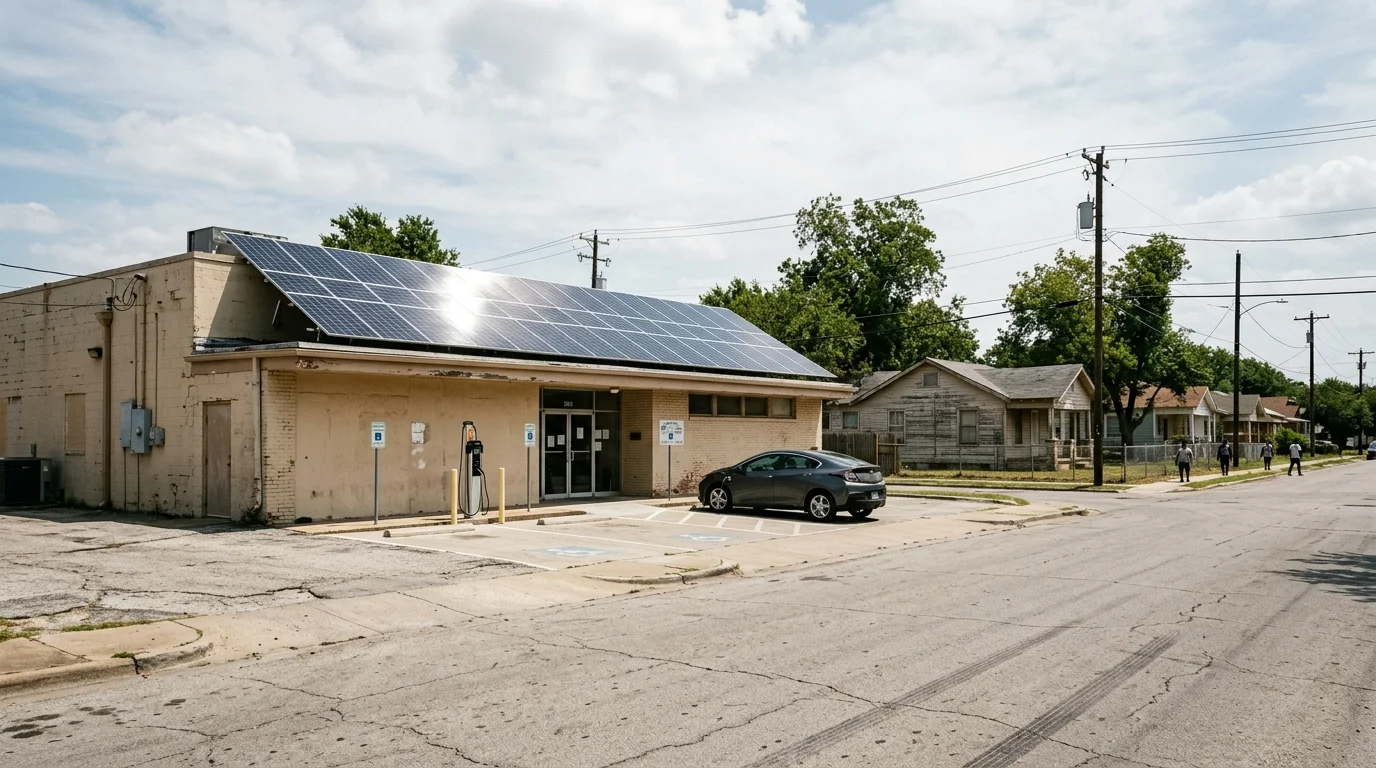
The housing shortage in Nunavut is among the worst in Canada by any measure. More than half of Inuit in the territory live in overcrowded homes, and roughly a third live in dwellings needing major repairs, rates five to 10 times the national average. The roots of the crisis run to the 1950s and 1960s, when federal relocation policies moved Inuit from semi-nomadic life into fixed settlements, with promises of housing that Ottawa never fully delivered. Federal withdrawal from new social housing construction in the 1990s deepened the gap as Nunavut's population, now around 40,000 and roughly 85 percent Inuit, continued to grow. The territory-wide shortfall is now estimated at more than 3,000 units.
Overcrowding carries direct health consequences. Nunavut has faced persistent tuberculosis outbreaks linked to crowded living conditions, and researchers and community health workers have tied housing instability to mental health crises, particularly among youth.
This procurement appears to be part of the Nunavut 3000 plan, launched by the territorial government in October 2022 with the goal of building 3,000 homes across the territory by 2030. The plan drew on federal commitments including an $845 million Inuit-specific housing allocation in the 2022 federal budget. Delivery has faced scrutiny over slow progress, cost overruns and supply chain delays in the years since.
For Kinngait, the sealift calendar is unforgiving. If units are not manufactured, shipped and positioned before ice returns in the fall, construction stalls until the following summer. Whether this procurement can be executed within the current sealift season remains an open question.