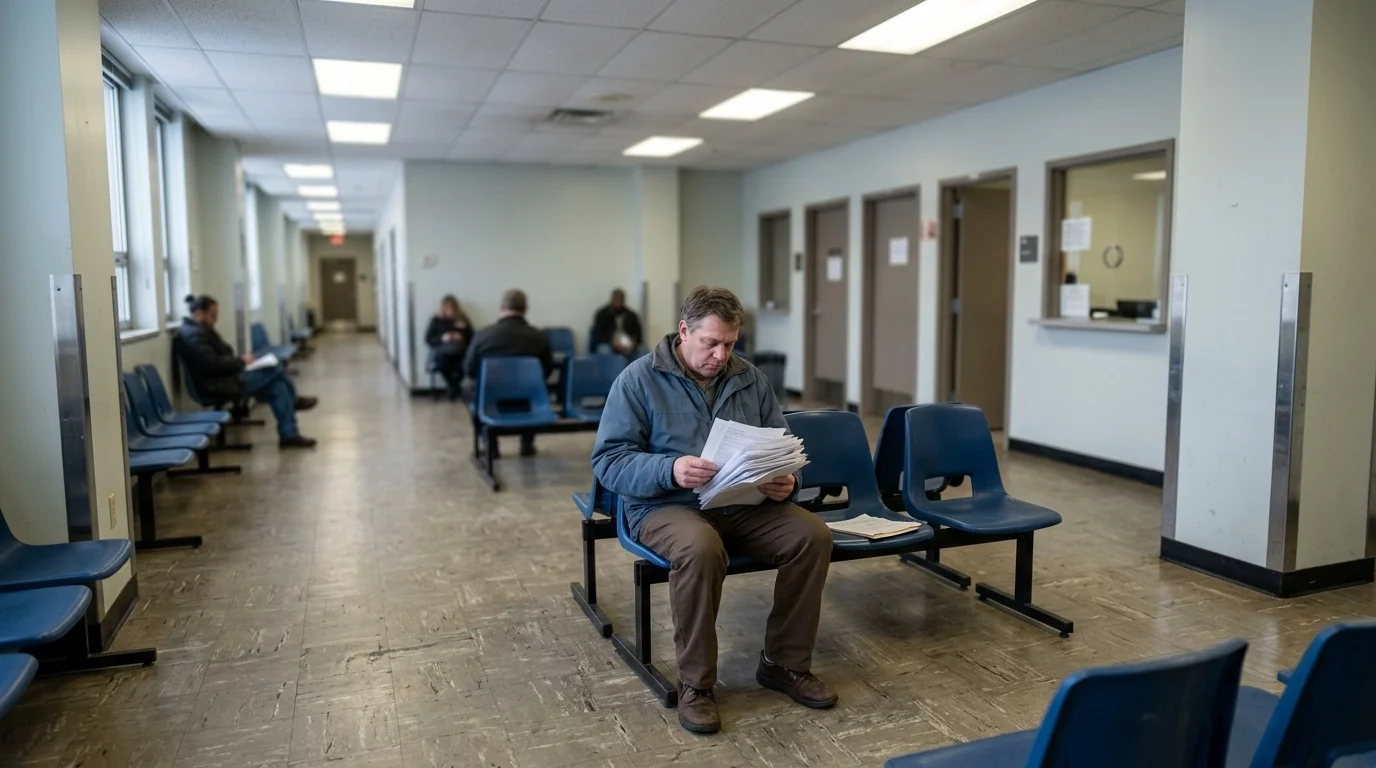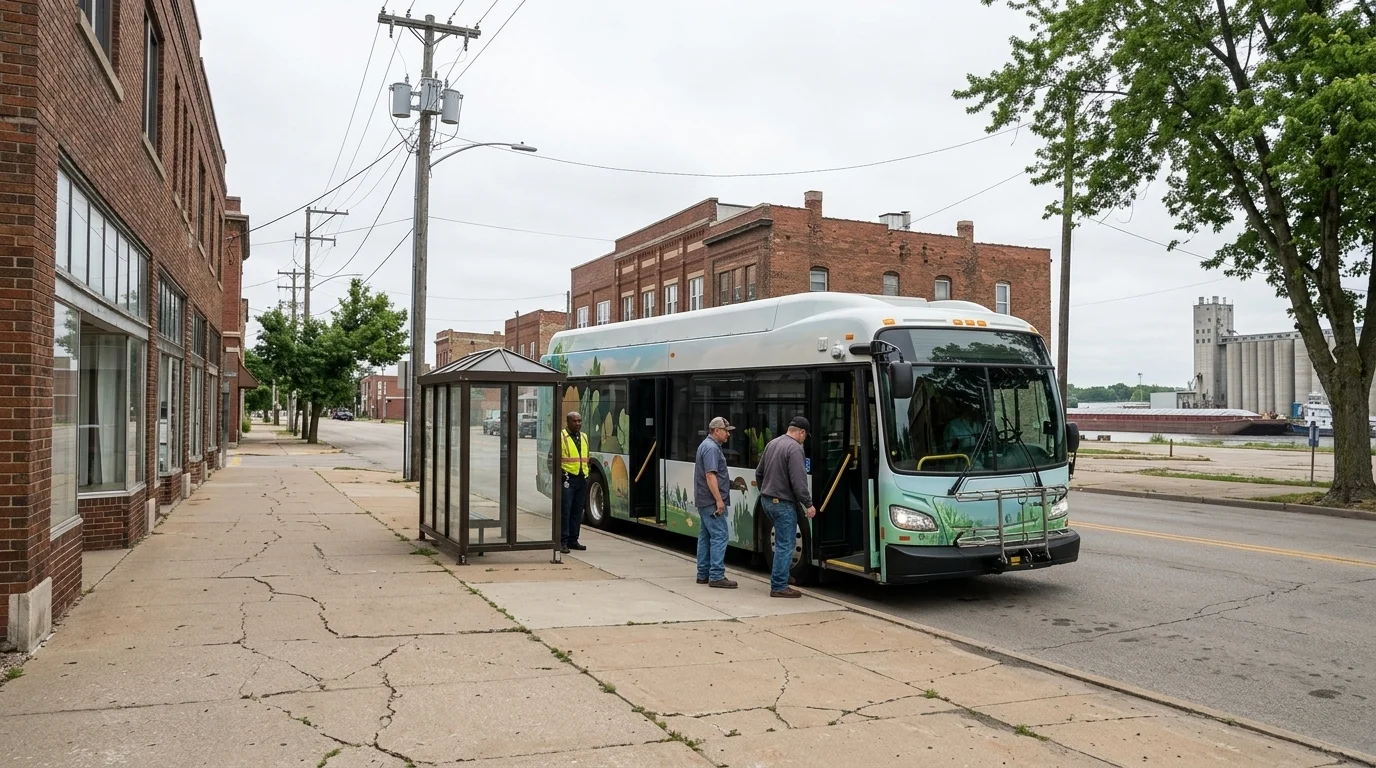
Williamsburg-James City County Public Schools is looking to artificial intelligence to help solve a transportation problem that has grown more complicated as the district has grown: getting thousands of students to school efficiently when bus routes must thread through colonial-era city streets, sprawling new subdivisions, and rural stretches of western James City County all at once.
The district, which serves roughly 11,000 to 12,000 students across Williamsburg and James City County in Virginia's Historic Triangle region, is researching an AI-powered platform it's calling the Artificial Intelligence Routing System, or AIRS. The request for information, posted June 5, asks vendors to describe tools capable of ingesting the district's existing route and ridership data and generating smarter, more adaptive configurations, not just a better map, but a system that can keep up as conditions change.
The district is still in an exploratory phase and hasn't committed to any purchase. But the motivation isn't hard to find. James City County has been one of the faster-growing counties on the Virginia Peninsula, with new residential development continuously adding students at the edges of existing routes. Layered on top of that growth is a transportation challenge facing districts nationwide: a persistent school bus driver shortage that, since the pandemic, has forced many districts to consolidate routes and leave students with longer rides or unreliable service. Fuel and operational costs have climbed while the workforce has stayed thin.
AI routing platforms have attracted attention from districts across the country as one answer to that pressure. Companies marketing these tools report fuel savings of 10 to 20 percent and measurable reductions in average ride times when optimized routes replace ones built through years of manual adjustment. For a district managing a genuinely varied geography, dense historic neighborhoods, busy tourist corridors, and rural roads, the efficiency gains could be meaningful.
The technology also raises questions worth watching. Parents and privacy advocates have flagged concerns about student home addresses and daily schedules flowing through third-party AI vendors. Equity researchers have asked whether algorithm-driven optimization might quietly lengthen rides for students in rural or lower-income areas. Whether those concerns surface in WJCC's community as the process moves forward remains to be seen.
For now, the district is gathering information. How quickly it moves toward an actual procurement will depend on what the market offers and, likely, what it costs.