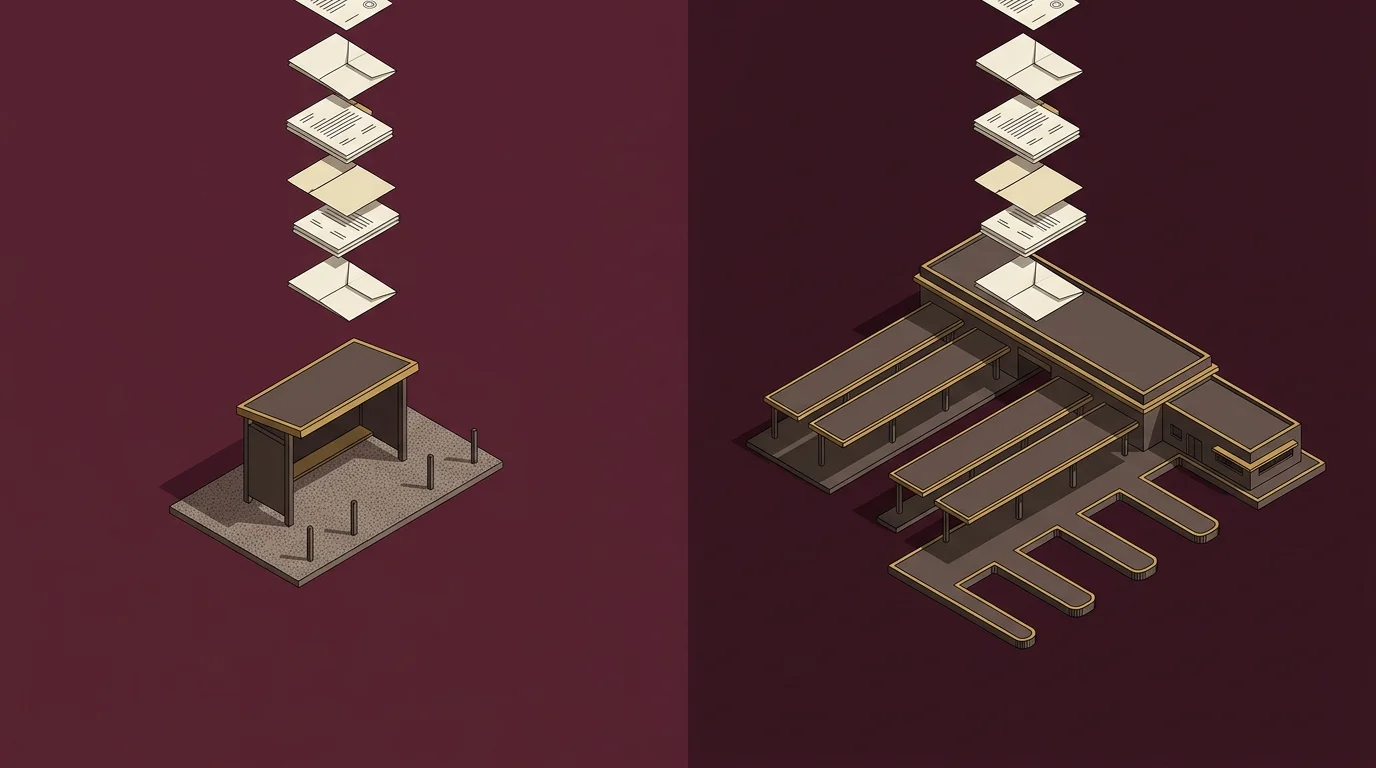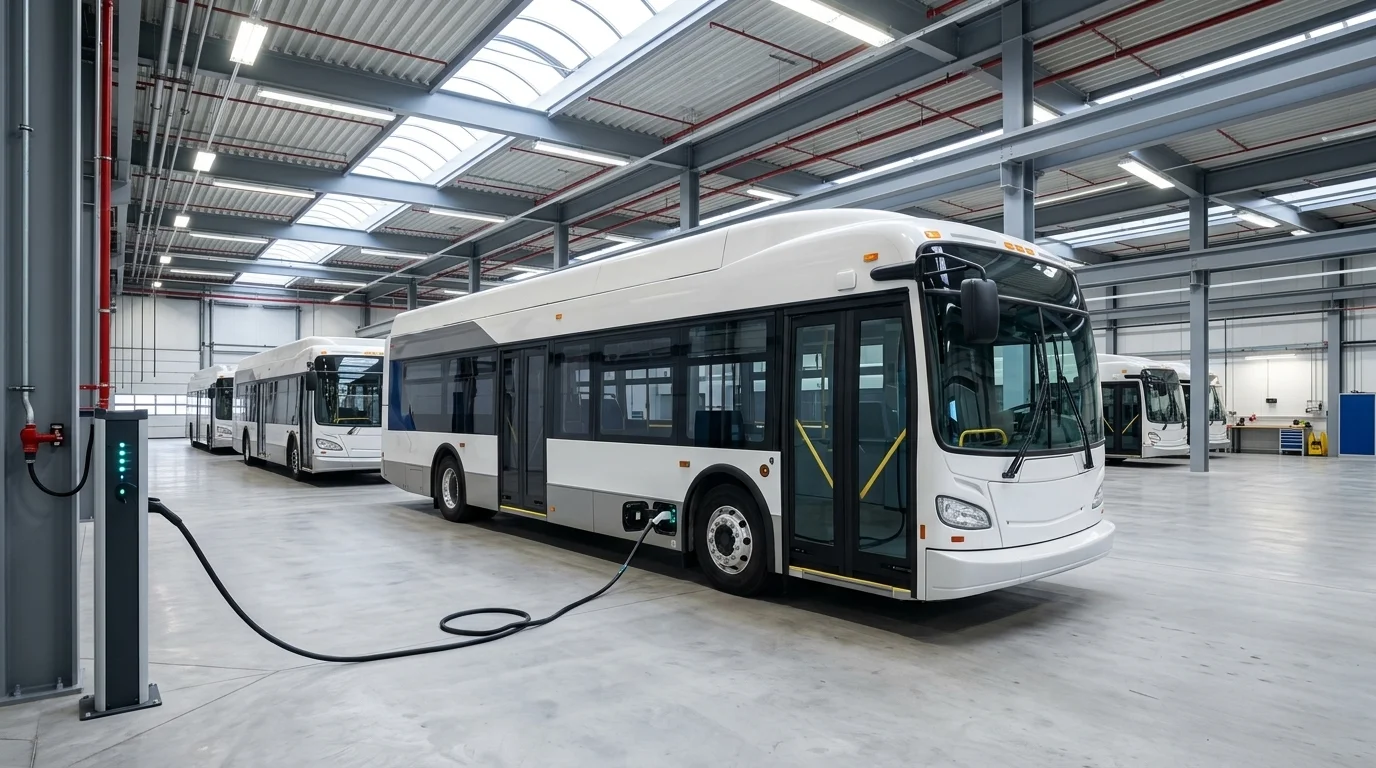
Chicago's transit agency is making its most ambitious move yet toward an all-electric bus fleet, seeking to buy up to 250 battery-electric buses in a procurement that could reshape how millions of riders experience the city's bus network.
The Chicago Transit Authority is starting with a firm order of 30 zero-emission buses, with six options to purchase up to 220 more. The agency posted the solicitation on Oct. 2. If all options are exercised, it would be the largest electric bus order in CTA history and a meaningful step toward the agency's 2040 goal of fully converting its roughly 1,850-bus diesel and hybrid fleet.
The procurement also includes spare parts bundled into the base order, a detail that reflects hard lessons learned from the 2023 bankruptcy of Proterra, the electric bus manufacturer that supplied CTA's first meaningful batch of 23 buses in 2021. When Proterra filed for Chapter 11, agencies across the country found themselves stuck with buses they couldn't fully service. CTA was among them.
Before Proterra, CTA had piloted just two electric buses back in 2014, making Chicago a notably slow mover compared to peers. The New York MTA and LA Metro have both scaled electric fleets more aggressively. Environmental groups including the Sierra Club and the Respiratory Health Association have pressed CTA to accelerate, pointing to the West and South Side neighborhoods served by diesel-heavy routes like Ashland, Western and 79th Street, where asthma rates run well above the city average.
Chicago's winters add a technical wrinkle that other cities don't face at the same scale. Lithium-ion batteries can lose 30 to 40 percent of their range below freezing, and CTA's earlier electric buses reportedly struggled with range and heating demands during cold snaps. How the new buses handle that challenge will depend heavily on which manufacturer wins the contract.
The broader policy backdrop includes the Illinois Climate and Equitable Jobs Act, signed in 2021, which pushed transit electrification statewide, and federal infrastructure funding that has made grants available through the FTA's Low- or No-Emission vehicle program. CTA received a $20 million FTA grant in 2022 to fund buses and charging infrastructure at two garages.
The bigger uncertainty is money. The Regional Transportation Authority is facing a projected $770 million fiscal cliff in 2026 as pandemic-era federal relief runs out, and there is no guaranteed state rescue yet. The base order of 30 buses is likely on solid footing, but whether CTA can afford to exercise any of the six option orders depends heavily on what happens in Springfield over the next legislative session.