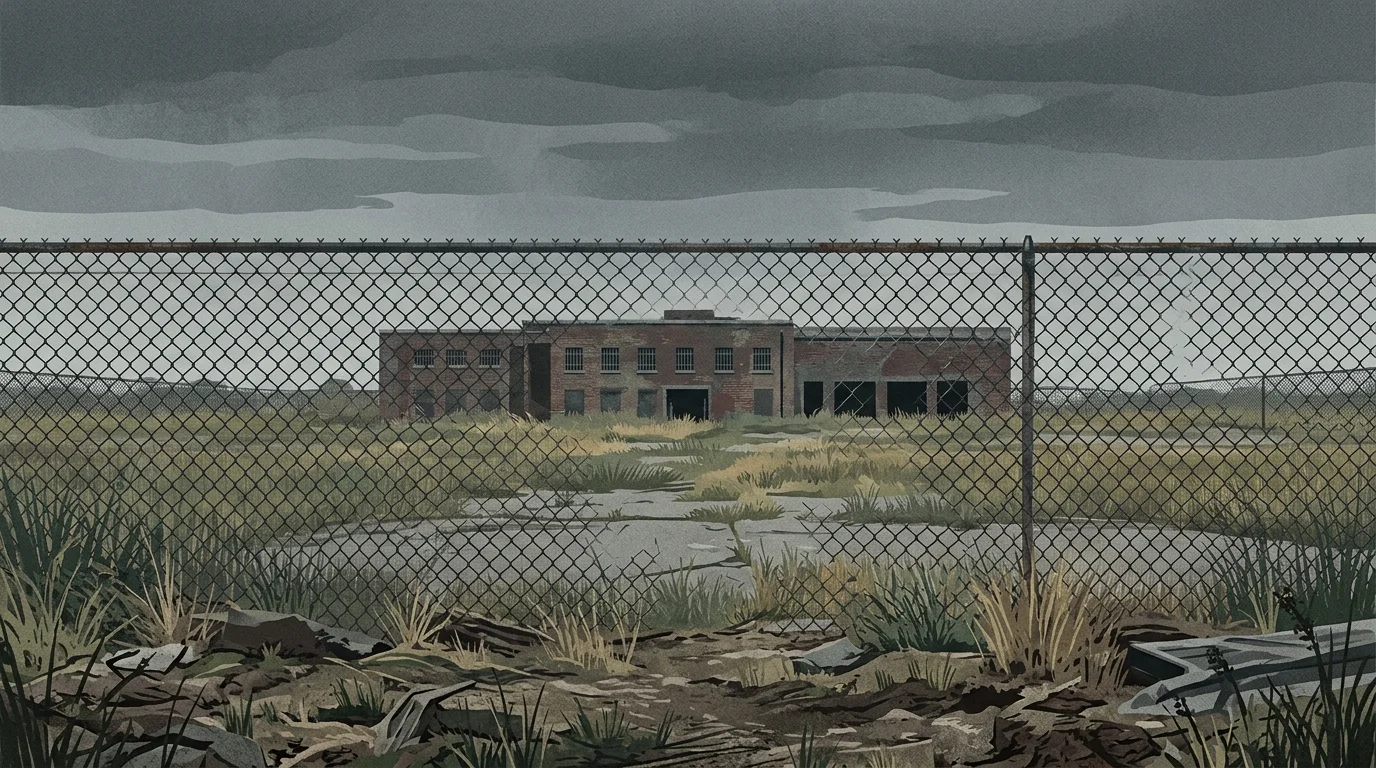
Georgia is making another push to find a private developer willing to build affordable housing on a state-controlled site known as the Roosevelt Collection, as a housing shortage continues to squeeze renters across the state.
The project, posted through Georgia's centralized procurement system, follows the increasingly common public-private partnership model: the government brings the land, and a private developer handles financing, construction, and management. That approach is designed to lower the cost barriers that make affordable housing difficult to build, since land acquisition is often one of the largest expenses in any development. Even so, rising construction costs and higher interest rates have made the math stubbornly difficult in recent years.
The fact that this is a revised solicitation, as previous coverage of Georgia's prison agency seeking developers for the Roosevelt Collection noted, raises questions about whether an earlier attempt to attract developers fell short. That pattern has become familiar nationwide, where developers respond to affordable housing RFPs only to find that tax credits, subsidies, and donated land still don't cover the gap between what it costs to build and what low-income tenants can pay.
Georgia's statewide housing shortage has been estimated at more than 200,000 affordable units, with roughly 40 percent of the state's renters spending more than 30 percent of their income on housing. The pressure is sharpest in metro Atlanta, where rents climbed 30 to 40 percent in many neighborhoods between 2020 and 2025.
Any developer who responds would likely need to secure Low-Income Housing Tax Credits through Georgia's Department of Community Affairs, a competitive program where applications routinely outnumber available credits three to one. A similar approach has been used elsewhere: San Rafael, California recently offered city-owned land for affordable development in an effort to offset high construction costs in a tight market.
The full solicitation is posted on Georgia's procurement portal. Whether this revised effort attracts the developers the state needs remains to be seen.