Sound Transit is moving ahead with the design of a new rail maintenance facility in South King County, Washington, using a $15.4 million federal grant that covers a critical but unglamorous piece of the agency's massive light rail expansion.
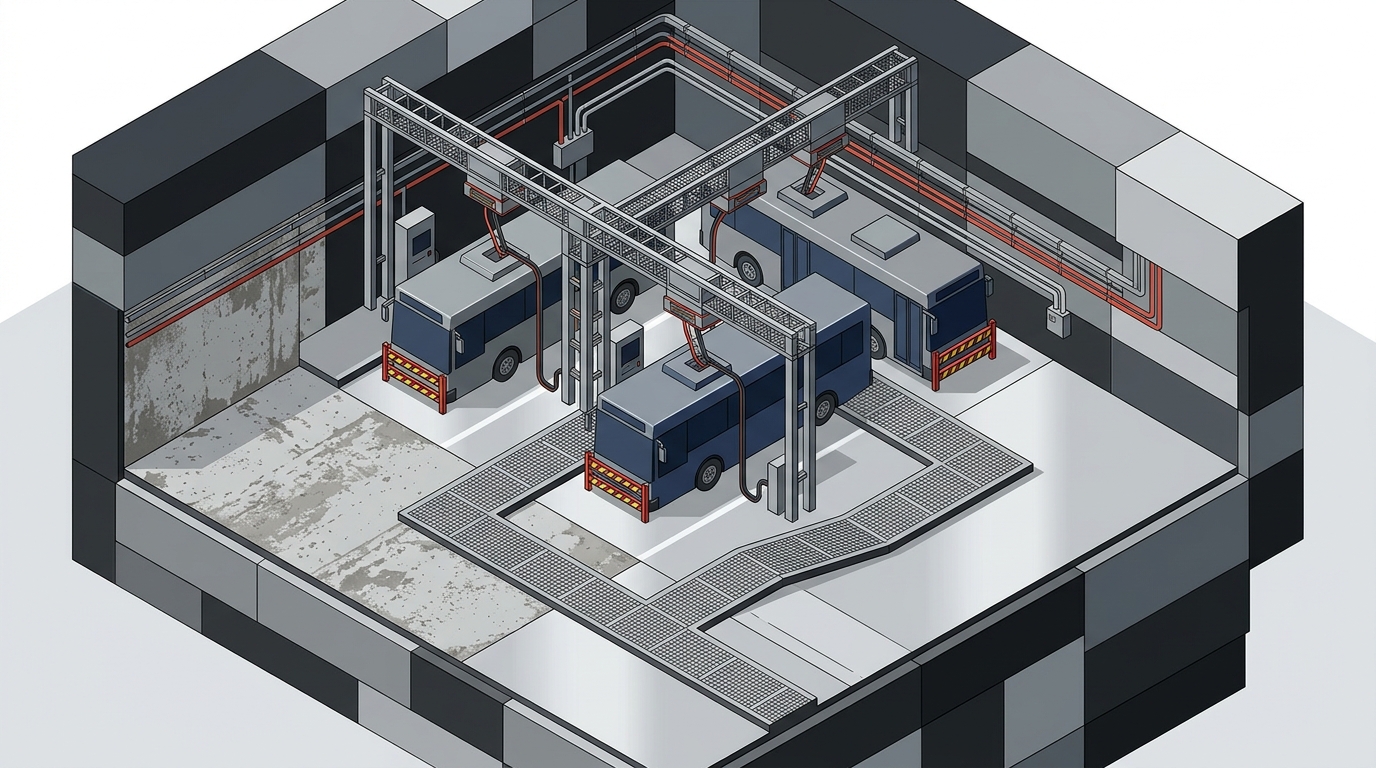
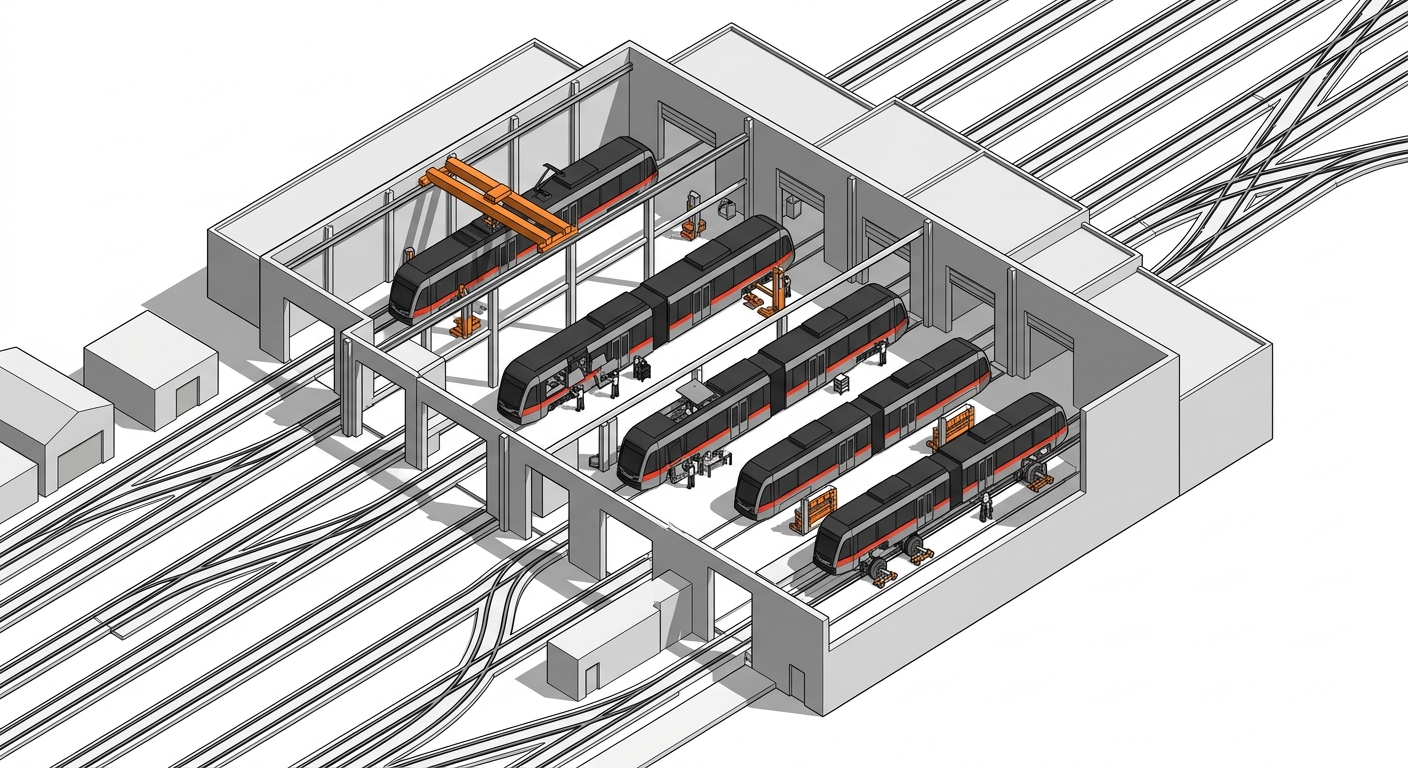
The Operations and Maintenance Facility South, known as OMFS, is where trains would go around the clock for cleaning, inspection, and repairs. Without a facility to house a larger fleet, Sound Transit cannot physically run enough trains to serve the extensions to Tacoma, West Seattle, and other communities that voters approved when they passed the $53.8 billion ST3 package in 2016, one of the largest voter-approved transit measures in U.S. history. The agency currently operates one central maintenance facility near Seattle's International District and has a second under construction in Bellevue. The South King County facility would be the third.
The federal grant covers only the preliminary engineering and design phase. Construction would be funded separately in later phases, and the scale of the project is substantial: facilities of this type typically require 30 or more acres with large shop buildings, rail yards, and 24-hour operations.
The funding flows through federal transit formula grants, a category of funding distributed to urbanized areas under rules set by the 2021 Bipartisan Infrastructure Law, which authorized $91.2 billion for public transit over five years. Using formula dollars for OMFS design frees up other funding for the rail extensions themselves.
The facility's location in South King County, a region encompassing cities like Federal Way, Kent, and Auburn, has generated years of community debate. The area is among the most diverse in the Puget Sound region, with large immigrant populations and lower median incomes than much of the Sound Transit district. Residents and advocacy groups raised environmental justice concerns during a lengthy siting process, given the industrial scale of what the facility would bring. Sound Transit has emphasized that the project will create high-skilled, living-wage jobs for South King County residents.
The broader ST3 program has faced mounting pressure from multiple directions. A 2021 realignment process pushed several projects years into the future and acknowledged tens of billions in cost increases driven by construction inflation and revised post-pandemic ridership projections. More recently, uncertainty around federal transit spending under the current administration has raised questions about whether agencies like Sound Transit can count on the federal funding partnerships their project timelines assume.
With the design phase now funded, the next major milestone will be completing preliminary engineering and advancing toward a construction funding plan, a step that will test whether federal transit dollars continue to flow to the Pacific Northwest at the pace Sound Transit's expansion depends on.