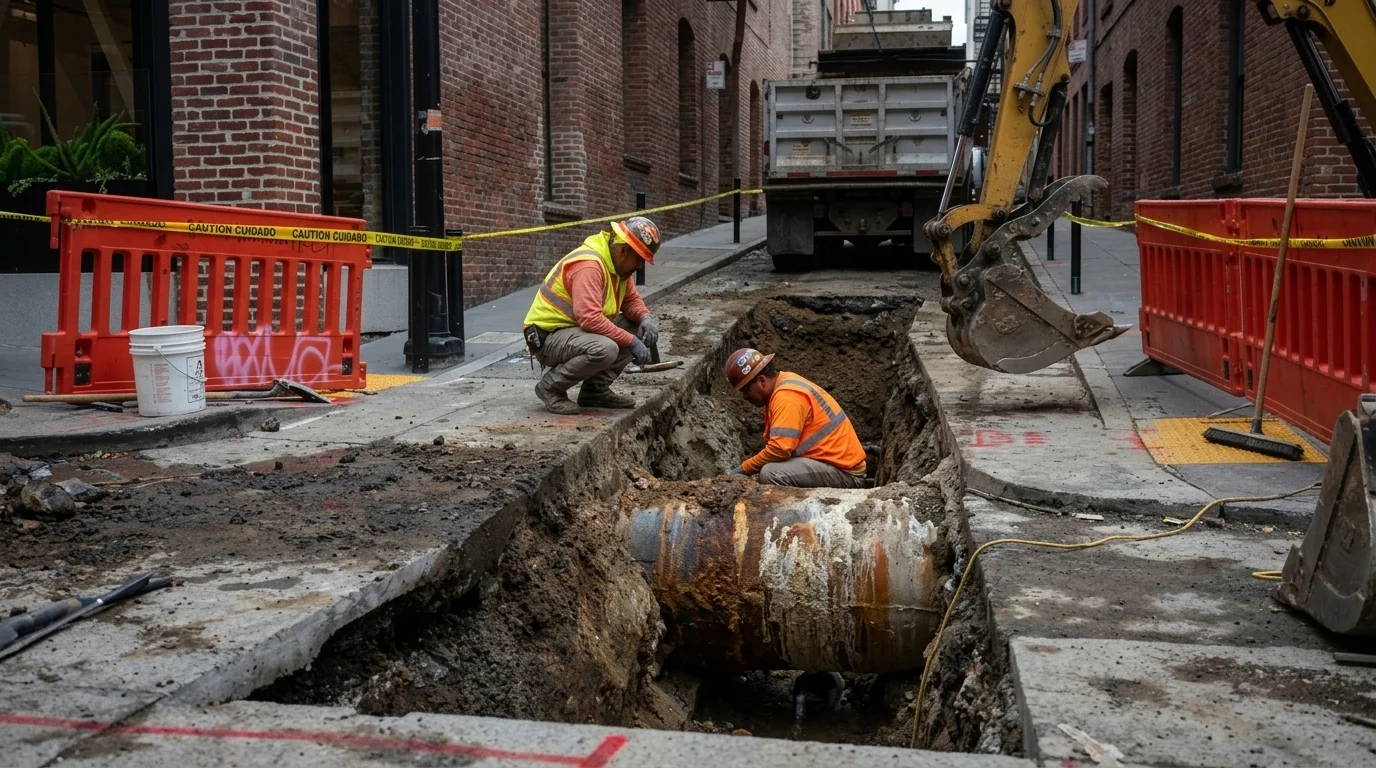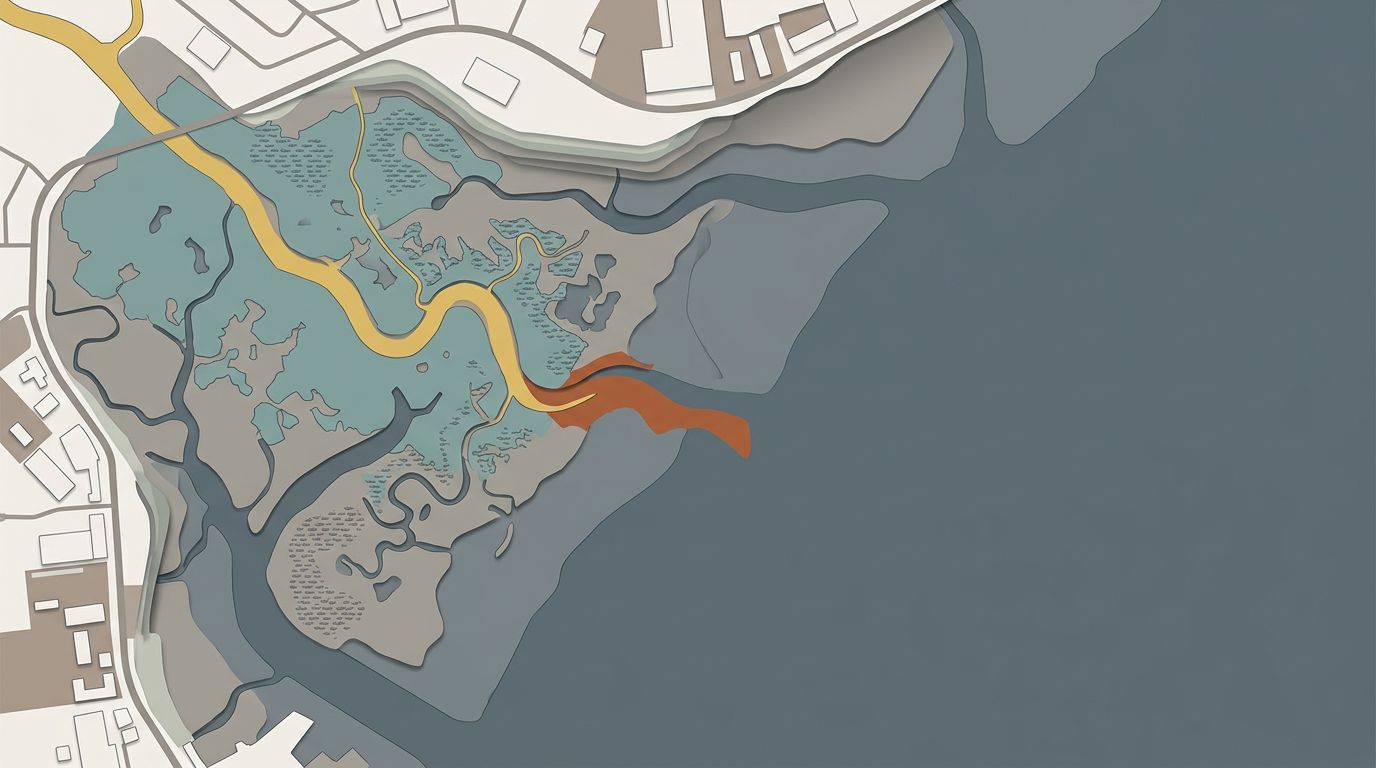
A degraded wetland at the mouth of Refugio Creek in Hercules, California could finally get the ecological overhaul it has needed for decades, as the small Contra Costa County city seeks professional help to design and carry out a major restoration of Refugio Lake.
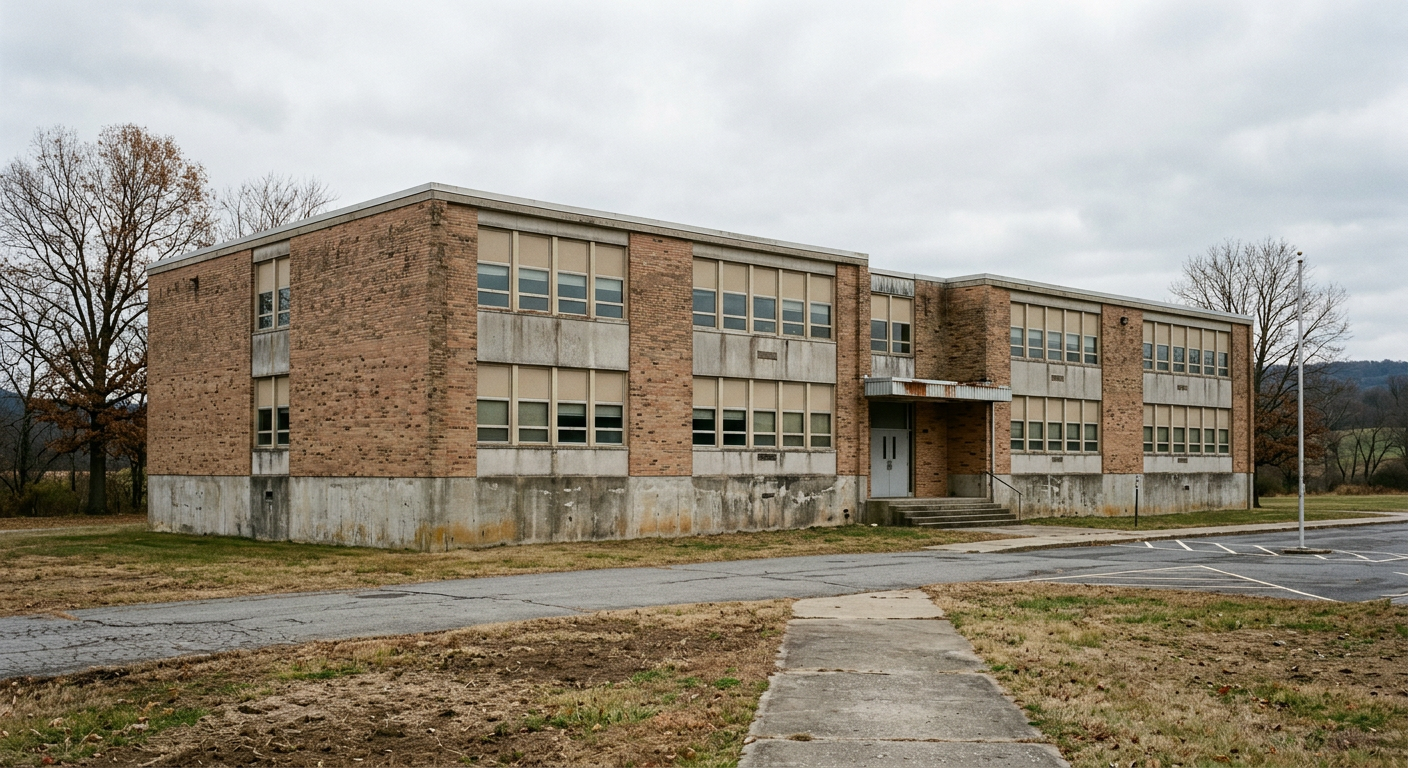
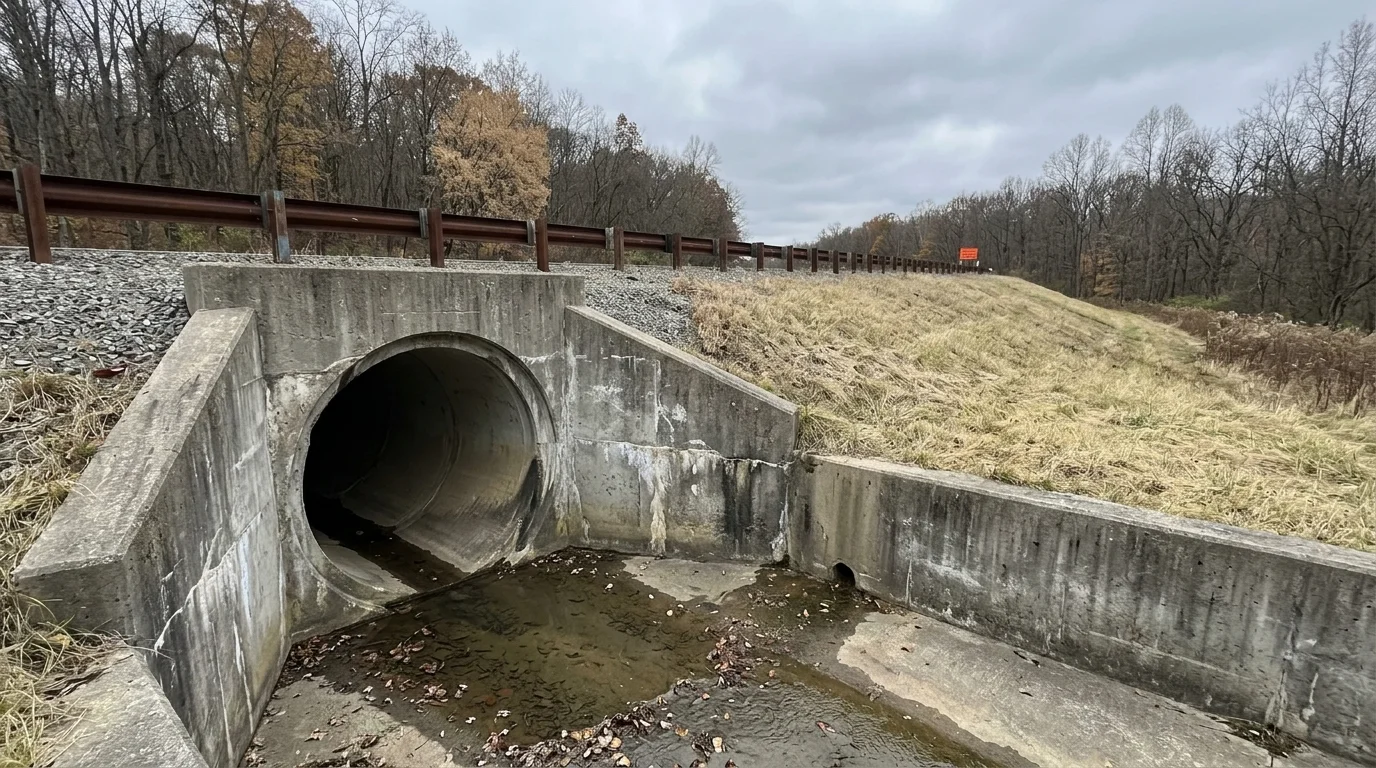
The lake, which sits where Refugio Creek meets San Pablo Bay, has been in decline for over a century. Its troubles trace back to the Hercules Powder Company, which manufactured dynamite and other explosives on the site starting in the late 1800s, leaving behind contaminated soils and disrupted water flows. Waves of suburban development in the decades that followed compounded the damage with stormwater runoff, sediment buildup, and invasive species that choked out native habitat.
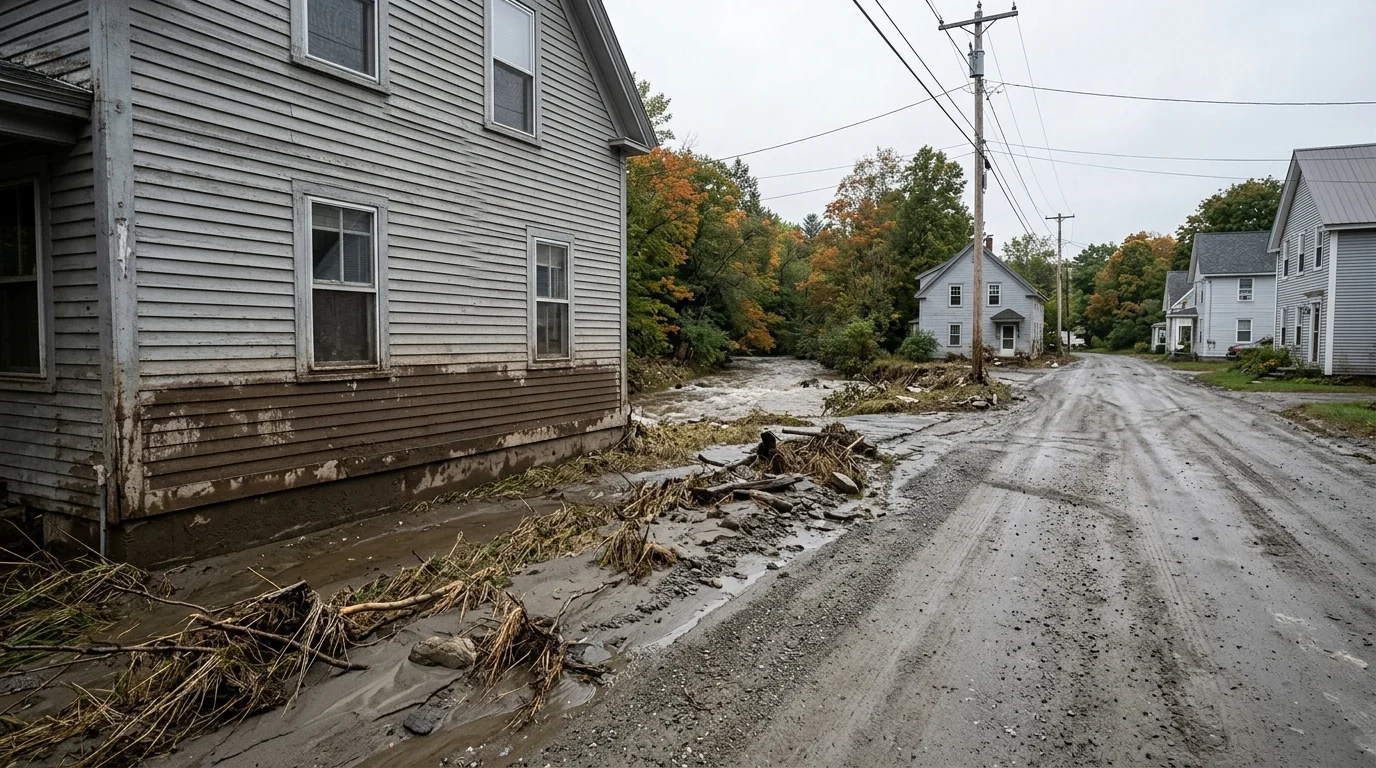
Now the city of roughly 26,000, a majority-minority community where about 40% of residents are Asian, 18% Hispanic, and 14% Black, is treating the restoration as both an environmental and an economic necessity. Sea level rise projections show portions of Hercules's low-lying bayfront at risk of flooding by mid-century, and healthy wetlands act as natural sponges that absorb storm surges and filter polluted runoff before it reaches the bay.
The San Francisco Bay has already lost roughly 90% of its historical tidal marshland. Regional efforts to reverse that loss have accelerated since Bay Area voters approved Measure AA in 2016, a parcel tax that generates about $25 million per year for shoreline habitat restoration. Hercules's project fits into that broader push, alongside California's 30x30 conservation commitment and federal wetland restoration programs, though the city has not yet disclosed specific funding sources or a total budget for the Refugio Lake work.
The financial stakes carry extra weight here. Hercules nearly went bankrupt in 2013 and has been cautious with large capital projects ever since. But city leaders appear to have concluded that the cost of inaction, measured in flood damage, lost habitat, and declining water quality, outweighs the risk. The restoration also dovetails with Hercules's broader reinvention from post-industrial company town to transit-oriented waterfront community, a transformation anchored by the long-planned Hercules Intermodal Transit Center and ongoing waterfront redevelopment.
One complication looms: any work at the site may uncover contaminated sediments from the old explosives factory, potentially adding remediation costs to an already complex project.
The city posted a request for proposals on April 16 seeking firms to take on the restoration. What comes back, both in cost estimates and in scope, will shape whether Hercules can turn its most troubled landscape into its greatest asset.