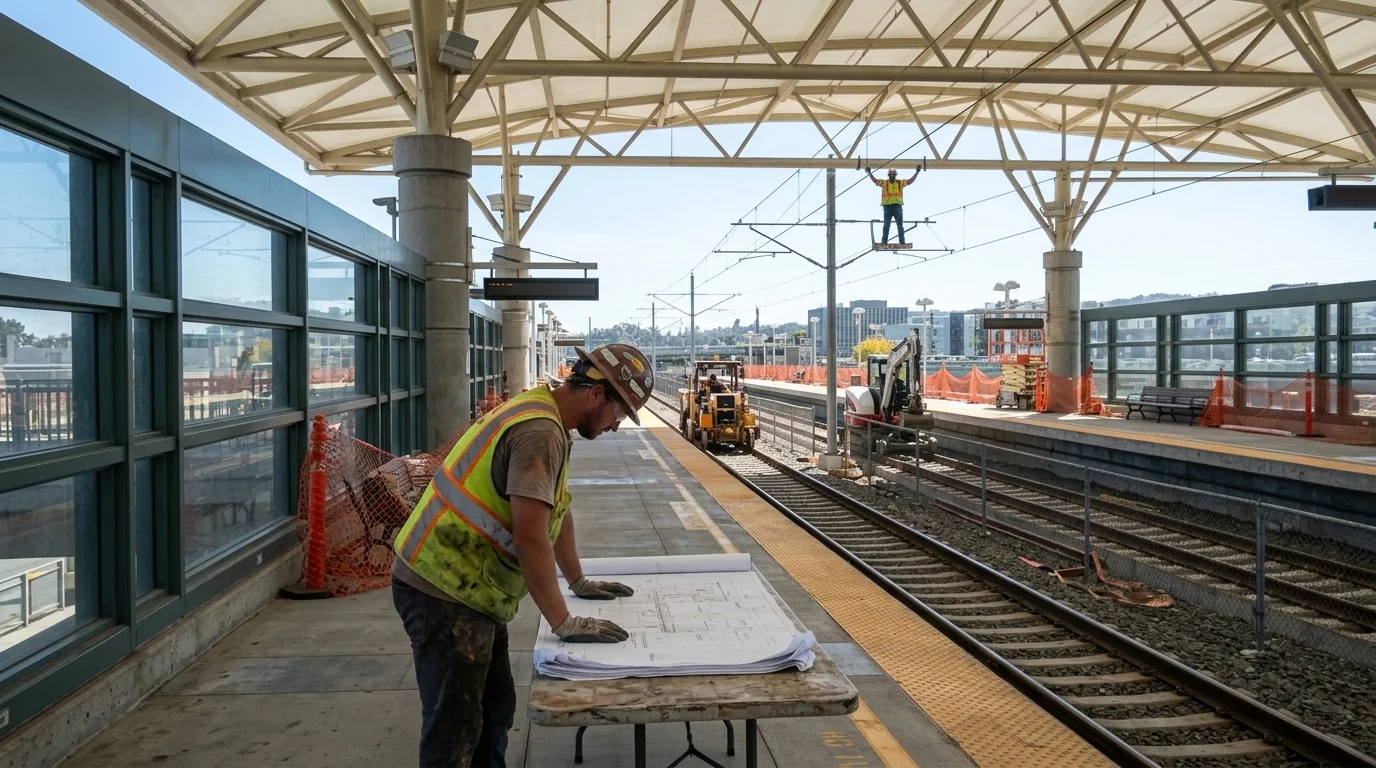
Florida transit agencies issued approximately 135 procurement solicitations in the trailing 30 days of October 2026, against a 12-month monthly average of about 43.8, a 3.1x spike that reflects something simpler and more urgent than a construction boom. The Bipartisan Infrastructure Law expired September 30, 2026, and agencies that cannot demonstrate they are putting their final-year federal apportionments to work risk losing access to the most generous transit funding era in modern history.
The deadline is real and the money is large. Florida received $577.8 million in FTA formula apportionments in FY2026 alone, the final authorized year of the law's five-year, $2.76 billion allocation to the state. Congress responded to expiration with only a short-term continuing resolution extending surface transportation programs to December 11, 2026, but, critically, that extension did not restore the Division J advance appropriations that had provided $36.8 billion per year in guaranteed transit and highway funding. As NACo warned, failure to restore those provisions could cut federal transit and road funding by more than 15 percent going forward.
Federal transit dollars do not move automatically from Washington to bus stops. Formula grants under FTA Sections 5307, 5311, and 5339 flow to states and metro planning organizations by apportionment, but agencies must then obligate those funds by contracting for goods and services before they can draw them down. That is the procurement step, and the October RFP surge is precisely that step playing out in public view. Agencies spent September committing dollars at a record pace: $222.6 million in new Florida federal transit grants were awarded that month across 48 separate actions, the largest single-month total in the trailing year. Florida's active federal transit grant portfolio now stands at $2.16 billion across 542 grants, but only $617 million has been disbursed so far. More than $1.5 billion is in mid-execution, and every dollar of it eventually requires a contract.
The volume is not evenly distributed. In October, Pinellas Suncoast Transit Authority and Broward County each issued seven RFPs; Miami-Dade County and FDOT each issued five; Hillsborough Area Regional Transit issued three. The geographic spread reflects how formula apportionments work: urbanized area grants go directly to transit agencies in proportion to population and ridership, so every sizable Florida metro is executing its own procurement calendar simultaneously.
Two additional drivers are layered on top of the formula deadline. The FTA's FY2026 Buses and Bus Facilities Notice of Funding Opportunity, a separate competitive program offering $610 million nationally, with $589 million directed to low- and zero-emission vehicles, closed September 21, 2026, days before IIJA expiration. Florida agencies that won competitive awards from that pool, including Broward County ($25 million) and Lee County ($13.7 million), are now entering their own procurement phases. That program is distinct from formula funding: it required a competitive application, serves a narrower purpose (bus replacement and facilities), and operates under a different statutory authority. But it shares the same expiration pressure, and its procurement activity is folding into the same October spike.
The third driver is structural and specific to Central Florida. SunRail transferred from state to local government ownership in March 2026, putting regional agencies in the procurement seat for commuter rail operations for the first time. Orlando's City Council subsequently approved a $100 million capital placeholder for a potential SunRail-Brightline airport connector, activating a new layer of planning and design RFPs across the region that would not have existed a year ago.
On the South Florida end of the state, a different federal funding stream is moving in parallel. The Miami-Aventura commuter rail project, a $927 million fixed-guideway investment along the FEC corridor, with $389 million in FTA Capital Investment Grant funding and $338 million from Miami-Dade County, recently reached a federal milestone, adding another corridor's worth of procurement activity to the regional mix. That project draws on CIG funding under 49 U.S.C. 5309, a separate statutory authority from the formula programs driving most of the October surge, but it benefits from the same IIJA authorization window.
For Floridians, the practical question is what comes next. The December 11 continuing resolution deadline is the immediate signal to watch: if Congress does not pass a full surface transportation reauthorization by then, agencies will face a genuine gap between their existing obligations and their ability to draw new federal commitments. Florida ranks third nationally in transit RFP volume right now, behind only California and New York, states with transit systems far larger and older than Florida's. That position reflects how much ground Florida is trying to cover with this funding window, building new systems and refreshing rolling stock simultaneously rather than simply maintaining legacy infrastructure.
Whether Congress acts before December 11 will determine whether the current sprint ends in a completed race or a cliff.