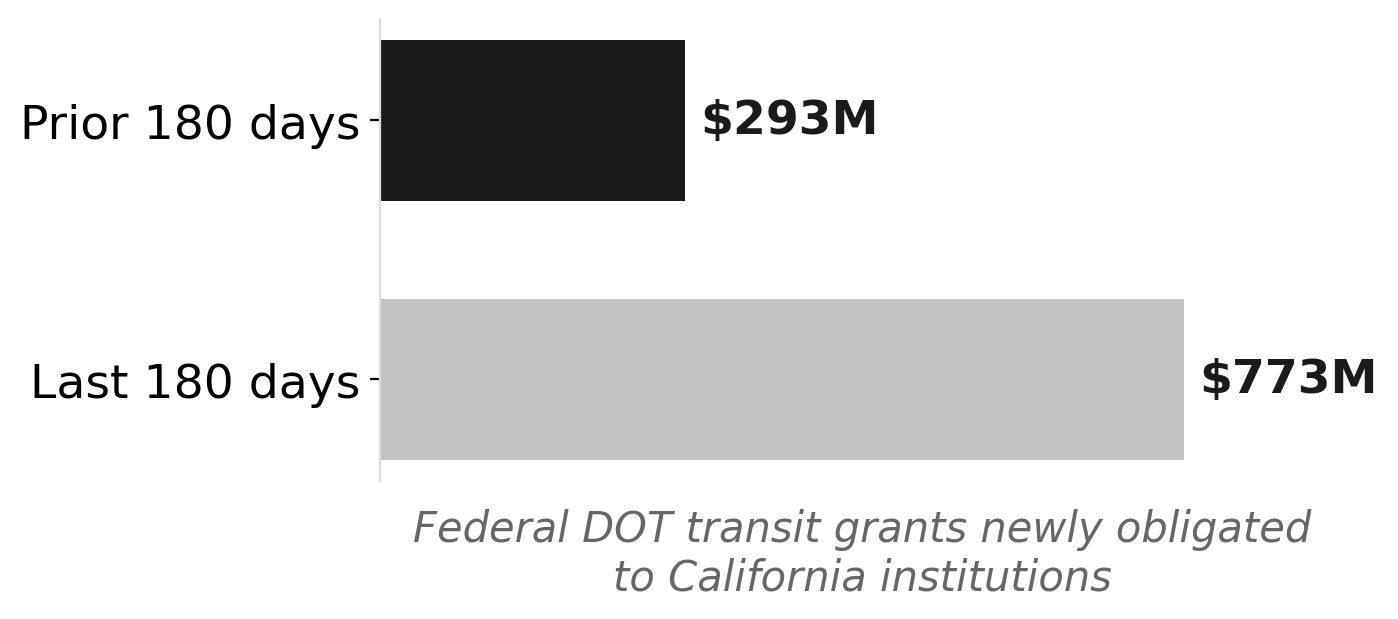
Federal transit grants newly obligated to California agencies hit $773 million in the last six months, up from $293 million in the prior six-month window, a 164% increase driven almost entirely by a single deadline: the Infrastructure Investment and Jobs Act's authorization expires December 11, 2026, and agencies that wait lose their claim on the final IIJA tranche.
The mechanism is straightforward. On March 31, 2026, the Federal Transit Administration released its FY2026 full-year apportionment tables under the Full-Year Consolidated Appropriations Act (P.L. 119-75), unlocking the last round of IIJA formula funds and starting a use-it-or-lose-it clock. Agencies that had gone quiet on procurements, some for more than a year, are now moving from planning to open bidding at speed. According to FTA's current apportionment tables, California's total FTA formula allocation for FFY2025 reached $2.05 billion, the largest share of any state in the country.
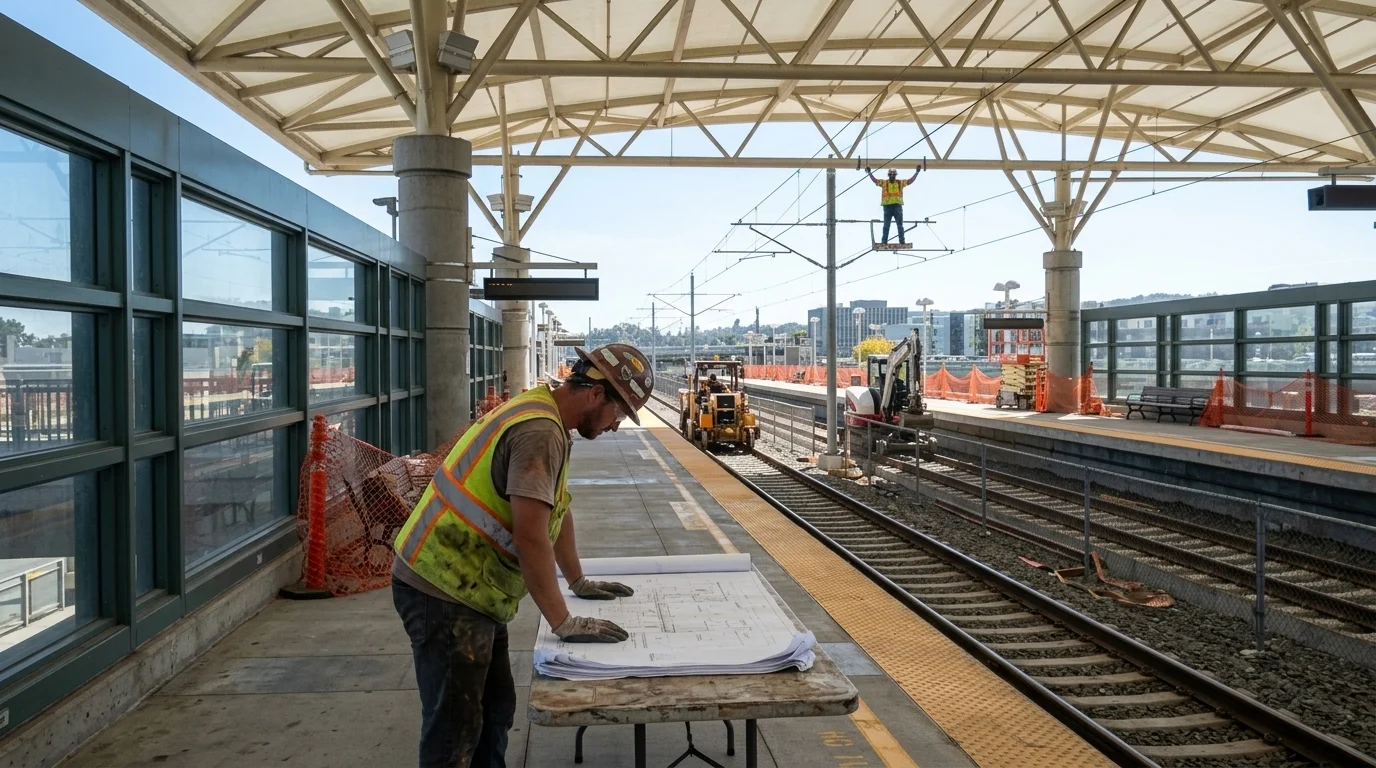
The largest individual awards in the current surge landed on the Bay Area's biggest operators. Peninsula Corridor JPB (Caltrain) received $85 million under FTA's Section 5337 State of Good Repair program, which funds capital rehabilitation of fixed-guideway rail, plus a separate $17 million under the same program. The City and County of San Francisco pulled in $80 million in State of Good Repair funds and $74 million in Section 5307 Urbanized Area Formula grants. Santa Clara VTA received $58 million in formula funds and an additional $38 million and $20 million across State of Good Repair and Bus Formula programs. These are three distinct federal grant streams, 5307, 5337, and Section 5339 for buses and bus facilities, and together they account for the bulk of the $773 million surge. They share one thing: all three flow through IIJA authorization, and all three stop on December 11 if Congress hasn't passed a reauthorization.
Source: NationGraph.
As of September 2026, no full reauthorization has cleared either chamber. The House Transportation and Infrastructure Committee ordered H.R. 8870 to be reported in May 2026, but the bill has not moved to a floor vote, and Congressional Research Service analysis of surface transportation reauthorization notes the compressed timeline facing negotiators. H.R. 6500 extended the IIJA authorization on a short-term basis through December 11, creating a hard deadline rather than a soft one.
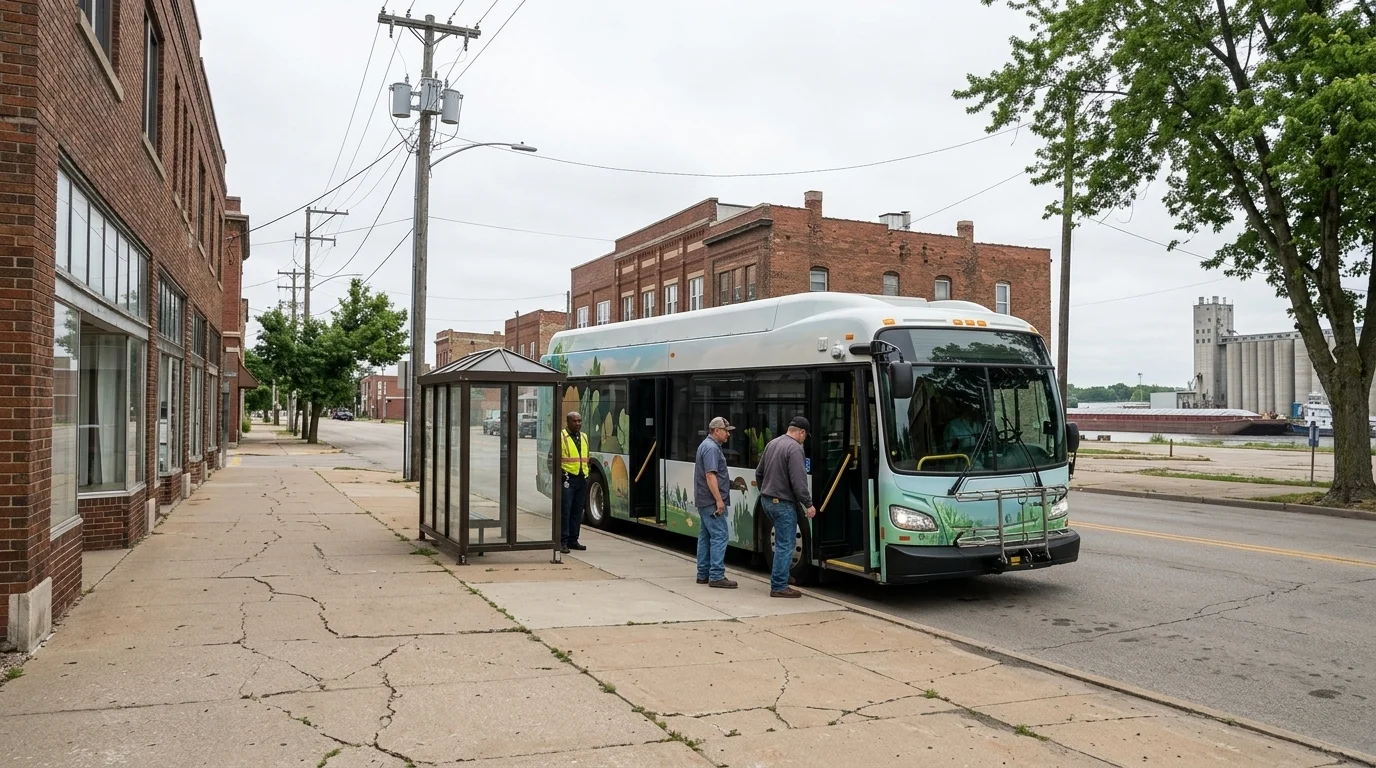
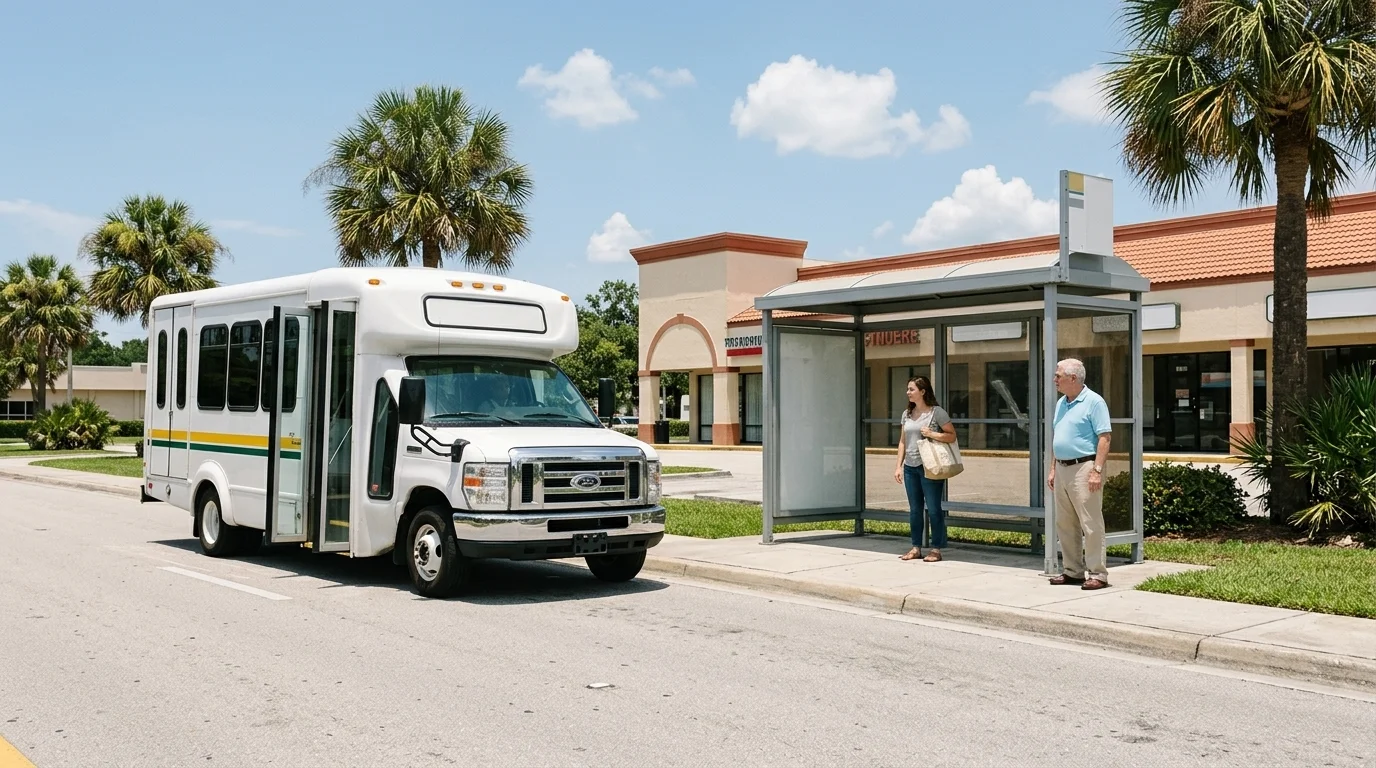
What makes the current wave unusual is its geographic breadth. The Bay Area megaprojects, including the SF Downtown Rail Tunnel, which recently reached a critical milestone in its own procurement timeline, are expected to be active. What's less expected is that smaller agencies across the state are also back at the table. Alameda County is out with an RFP for the Dublin Transit Center. Chula Vista, near San Diego, is procuring a microtransit community shuttle. Oxnard is seeking contractors for Transit Center improvements. Irvine has an open bid for traffic signal modifications tied to transit priority. Torrance is running simultaneous solicitations for a transit facility renovation and bus parts. These agencies don't issue transit RFPs every quarter. Their return to the market, in the same 30-day window, is a direct function of the federal clock.
California layers state dollars on top of federal formula funds, which amplifies the urgency rather than relieving it. The California Transportation Commission allocated $848 million for mass transit in March 2026, including $100 million for the BART Silicon Valley Phase II tunnel, drawing from state capital programs. The Transit and Intercity Rail Capital Program (TIRCP) is locked in at $400 million per year from Greenhouse Gas Reduction Fund money starting in 2026-27 under SB 840, a separate state appropriation with its own competitive cycle, independent of IIJA. SB 1 continues to run at roughly $5 billion per year statewide for transportation. These state streams don't expire in December, but they often require matched federal funds to unlock full project scope, giving agencies a second reason to move federal procurements now rather than carry unmatched state allocations into an uncertain reauthorization environment.
The Metropolitan Transportation Commission, which coordinates Bay Area federal transit funding, noted in its July 2026 reauthorization priorities document that the Bay Area's FTA formula allocation grew to $690 million in FY2026 under IIJA, up from $450 million annually under the prior bill, but flagged that $75 million per year of that growth is temporary. If reauthorization preserves only the pre-IIJA baseline, Bay Area agencies would absorb a real cut even while the overall portfolio stays large.
California's active DOT transit grant portfolio now stands at $7.8 billion in performance, commitments already made that agencies must deliver against. The RFP wave of the last 30 days is how that delivery begins. The next signal to watch is whether Congress acts on H.R. 8870 before the December 11 deadline or lets the authorization lapse again, forcing another short-term patch and another sprint.