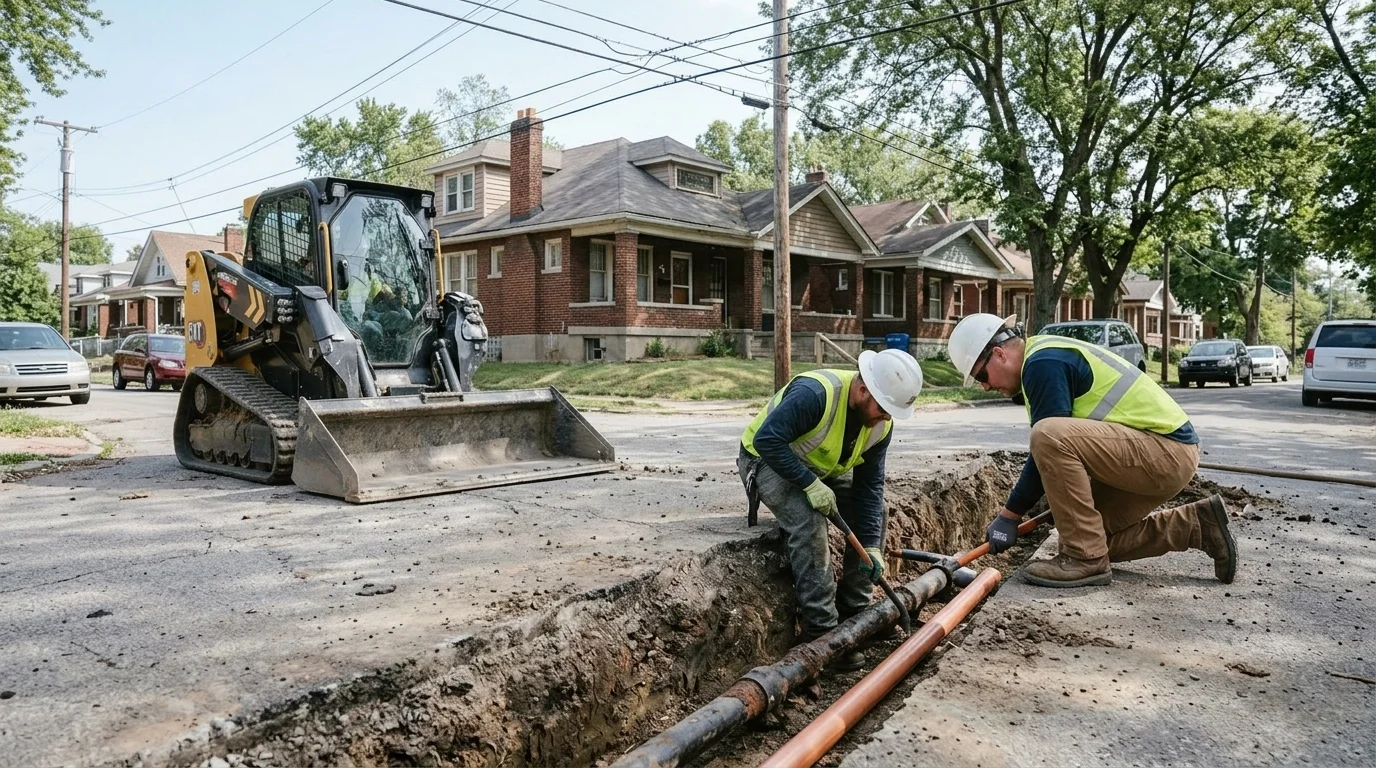
Cincinnati is pushing deeper into a decade-long effort to pull toxic lead pipes out of its oldest neighborhoods, with Greater Cincinnati Water Works moving to hire contractors for the next wave of replacements across a city where much of the water infrastructure dates back a century.
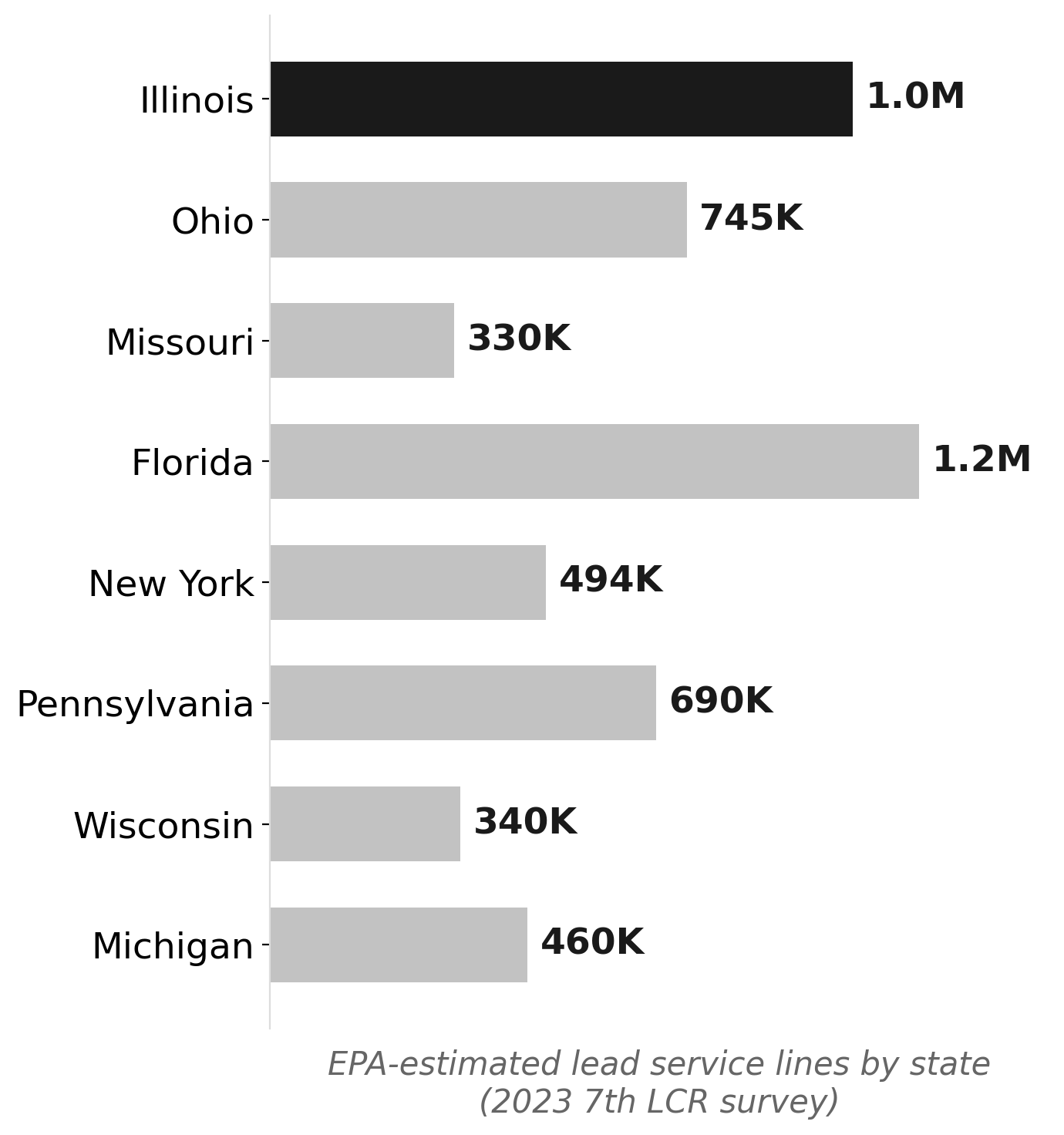
The work is urgent. Federal regulators finalized rules in 2024 requiring every U.S. water system to replace essentially all remaining lead service lines within 10 years, setting a target of roughly 2037. Those lines, the small pipes connecting street mains to individual homes, were standard installation through the early 20th century and weren't banned by federal law until 1986. Ohio is estimated to have around 745,000 of them, one of the highest totals in the country, and a disproportionate share runs through Cincinnati's older, lower-income neighborhoods like Avondale, Walnut Hills, the West End and Price Hill.
The political backdrop matters too. The federal mandate grew out of the 2014-2015 Flint, Mich., water crisis, which exposed how corroded lead pipes could poison an entire city. Funding to fix the problem came through the 2021 Bipartisan Infrastructure Law, which dedicated $15 billion nationally to lead pipe replacement, with Ohio receiving hundreds of millions in allocations through the Drinking Water State Revolving Fund.
Source: NationGraph.
Cincinnati has been ahead of many peer cities. Greater Cincinnati Water Works launched its Enhanced Lead Program in 2016, offering to replace the customer-owned portion of lead lines at reduced or no cost, and has spent years building out a full inventory of its system. The utility serves roughly 1.1 million people across Hamilton County and parts of neighboring counties. But the pace now has to accelerate dramatically to meet the 2037 finish line, and that means more contracts, more crews and more streets torn up each year. Each replacement typically costs between $5,000 and $12,000 depending on the site.
The new contract posted to the city's procurement portal is labeled "Contract 1," a designation that signals additional contracts will follow as the program scales up. Similar ramp-ups are underway in other Midwestern cities with aging housing stock, including Philadelphia's second phase of its replacement program and Chicago's block-by-block effort on the Northwest Side.
For Cincinnati residents, particularly those in pre-1940 homes in the city's historically underinvested neighborhoods, the replacements can't come fast enough. The question now is whether the city can sustain the pace all the way to the deadline.