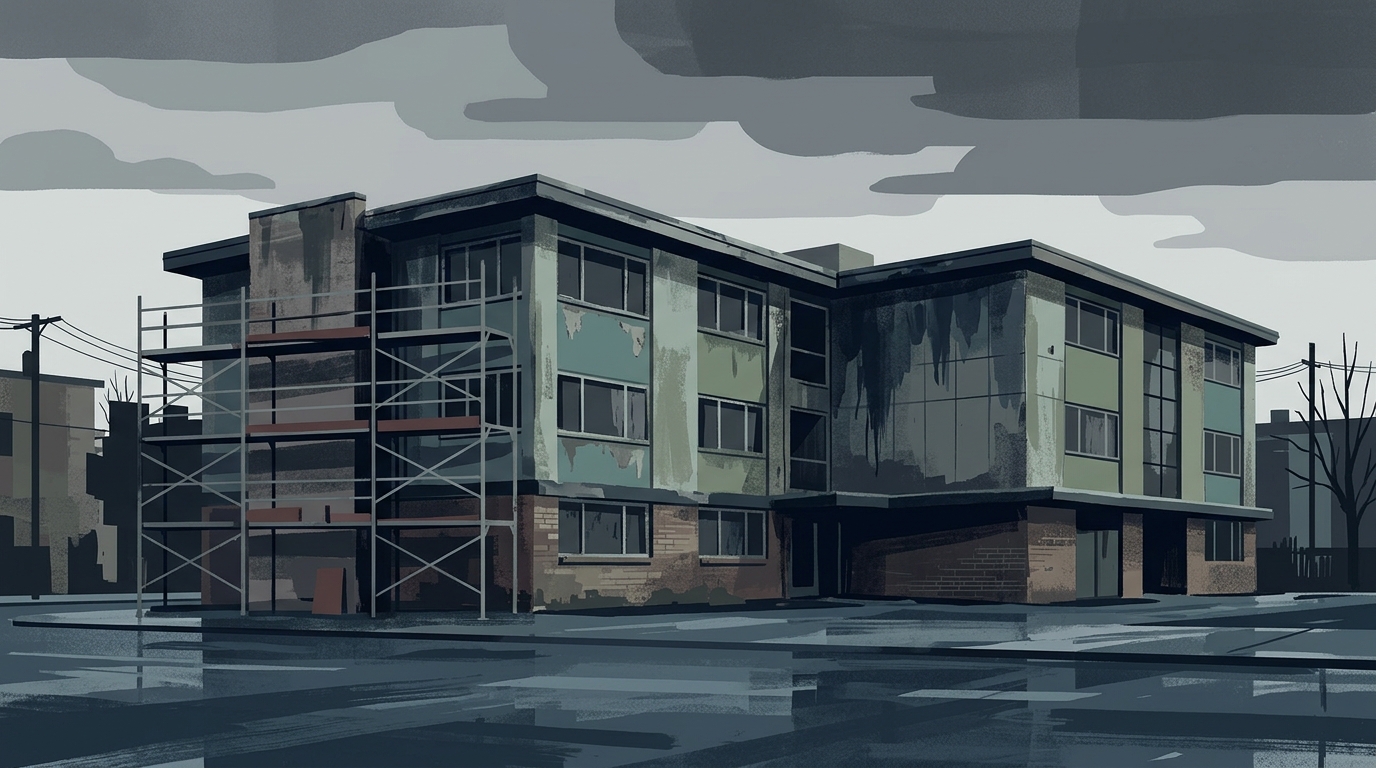
Cheyenne, Wyoming is getting a long-overdue renovation of its central bus facility, backed by a $3.3 million federal grant that will modernize the aging Westland Transit Facility — the hub of the city's entire public bus network.
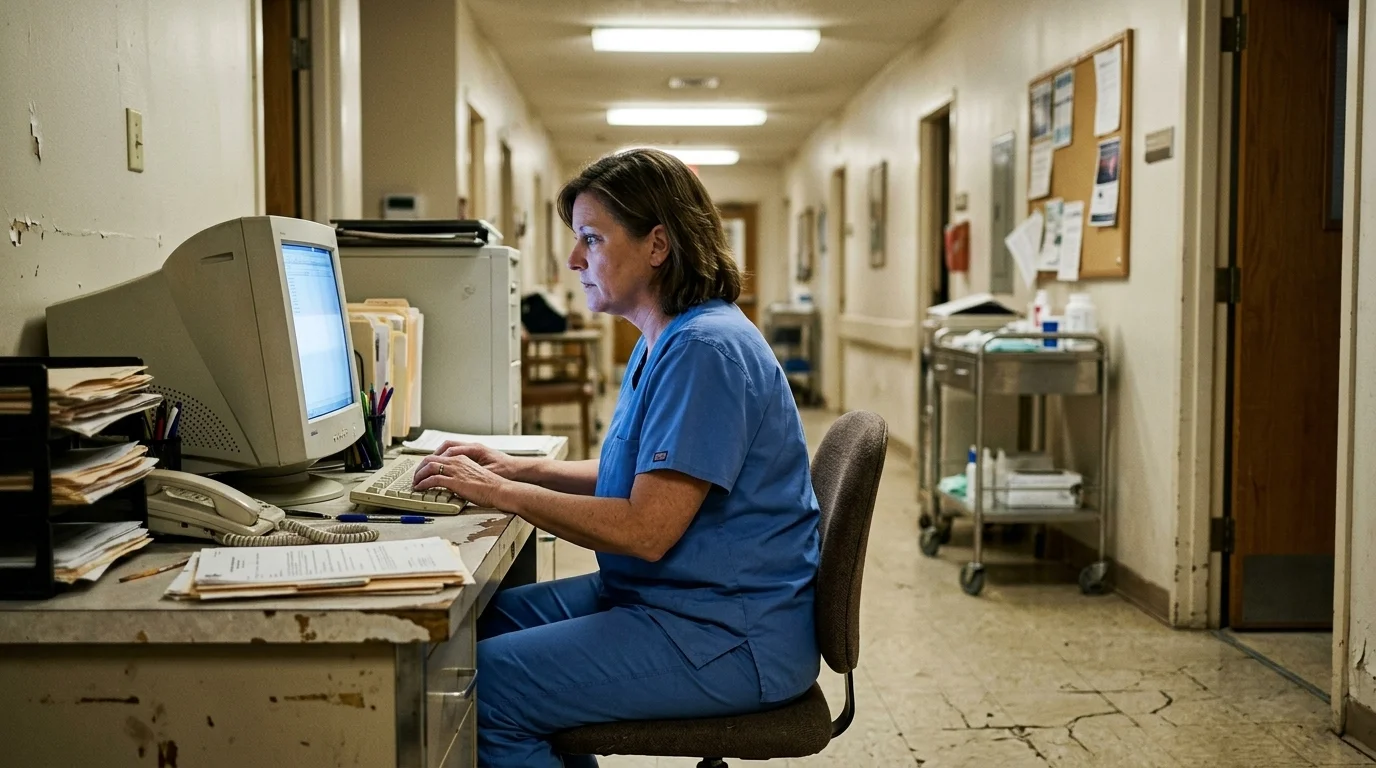
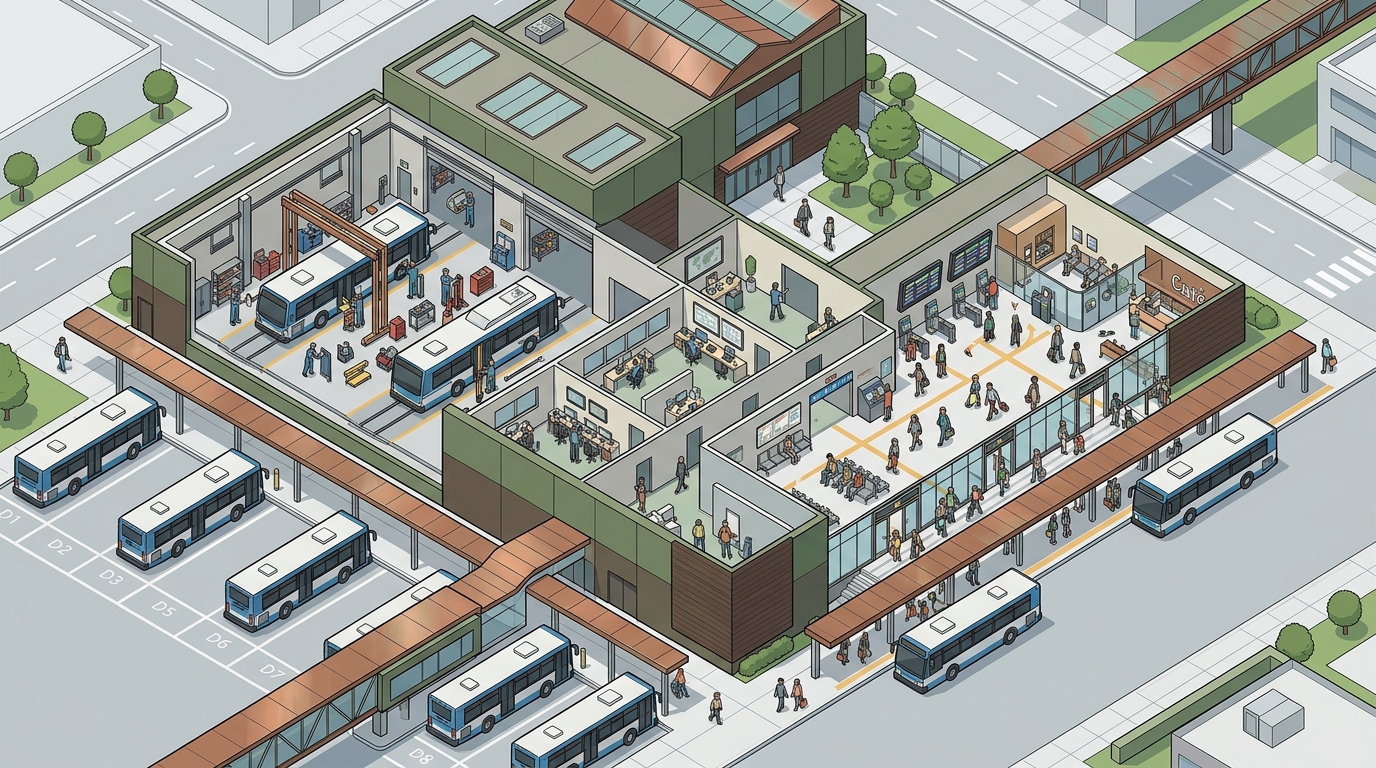
The Westland facility runs double duty: it's where Cheyenne Transit Program staff work and where riders catch their buses. Both functions have continued for years in a building that hasn't seen major capital investment, and the renovation will address the facility's interior and exterior. For a small-city transit system serving roughly 65,000 residents, a $3.3 million capital infusion is significant.
The people most affected aren't the average Cheyenne commuter, who likely drives. They're the riders who depend on the bus because they have no other option: seniors in a county where the 65-and-older population is growing, people with disabilities, low-income workers, and military families connected to F.E. Warren Air Force Base. For them, Westland isn't just a bus stop — it's an essential piece of infrastructure.
The grant comes from the Federal Transit Administration's Section 5339 bus and bus facilities program, expanded dramatically under the 2021 Bipartisan Infrastructure Law, which authorized $5.15 billion over five years for this type of work. Small transit systems across the country have used that window to tackle deferred maintenance they could never afford otherwise. Similar federal investments have helped systems in places like rural Washington State and Iowa City keep their fleets and facilities functional.
In Wyoming, federal dollars aren't just the best path for transit capital projects — they're essentially the only one. The state has no dedicated transit funding mechanism, and municipal budgets in Cheyenne depend heavily on volatile mineral severance taxes and sales taxes. Without federal grants, renovations like this one simply don't happen. Notably, Wyoming's congressional delegation voted against the Bipartisan Infrastructure Law, though the state has drawn substantial funding from it.
The city will likely need to contribute roughly $828,000 in local matching funds, consistent with the standard 20% local match required under federal transit grants. This grant is among the final awards under the IIJA's FY2026 authorization cycle, making the timing significant for systems that haven't yet locked in their share of the expanded funding.