For generations, the roughly 400 residents of Aunu'u Island have gotten their drinking water two ways: by catching rain or by waiting for a boat from the main island. American Samoa is now moving to end that precarious arrangement, with plans for what would be the territory's first desalination plant.
The American Samoa Power Authority (ASPA) has posted a design procurement for a desalination facility on Aunu'u, a small volcanic island about a half-mile off the southeastern coast of Tutuila. The project is still in its early stages: ASPA is currently hiring engineers to design the plant, with construction to follow. It marks a significant turning point for a community that has pressed territorial officials for a permanent water solution for years.
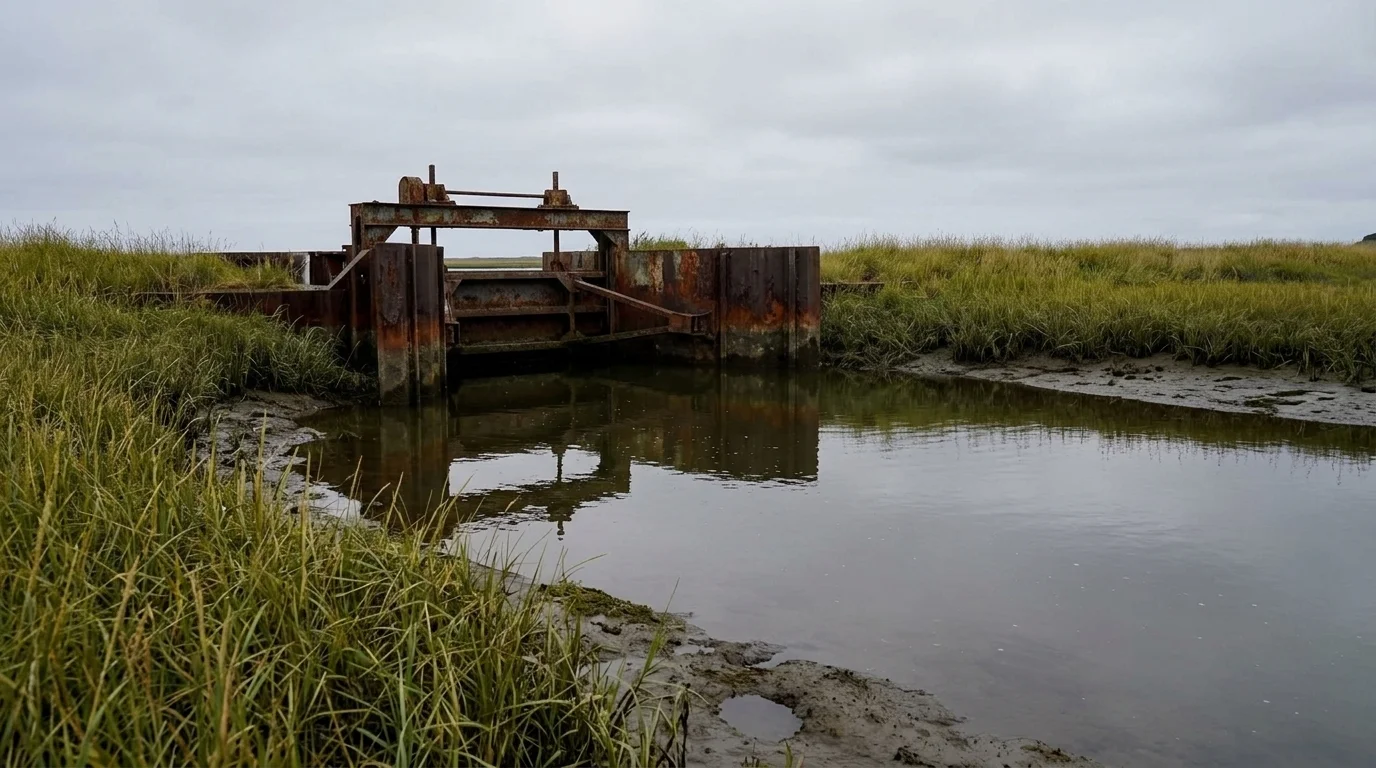
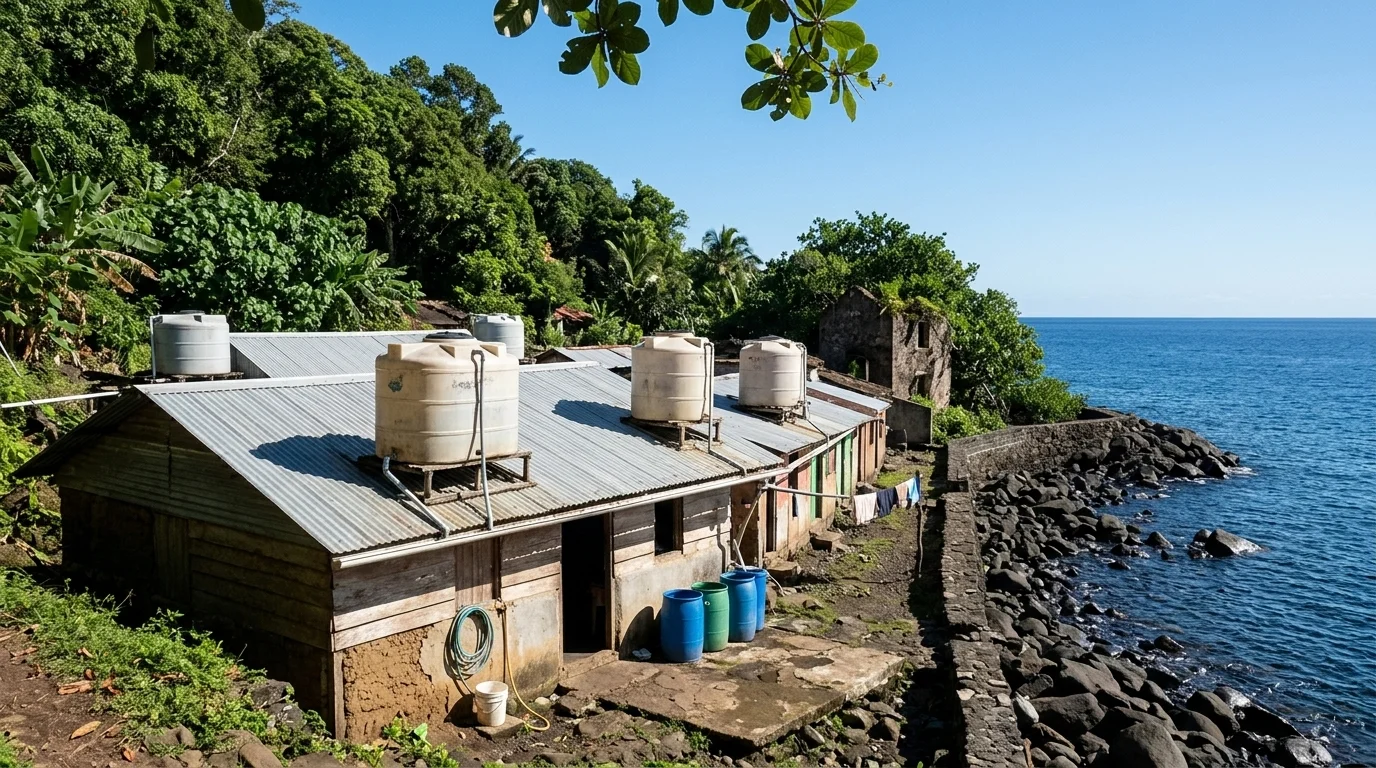
Aunu'u's water problem is rooted in its geology. The island's porous volcanic and coral rock means rainwater drains away quickly, and what little groundwater exists has been contaminated by saltwater intrusion. Unlike Tutuila, which draws freshwater from mountain aquifers and streams, Aunu'u has no viable freshwater source of its own. Residents have depended on rooftop catchment tanks and water barged in from Au'asi, the nearest village on Tutuila, a system that buckles during dry seasons and breaks down entirely after storms damage catchment infrastructure.
Source: NationGraph.
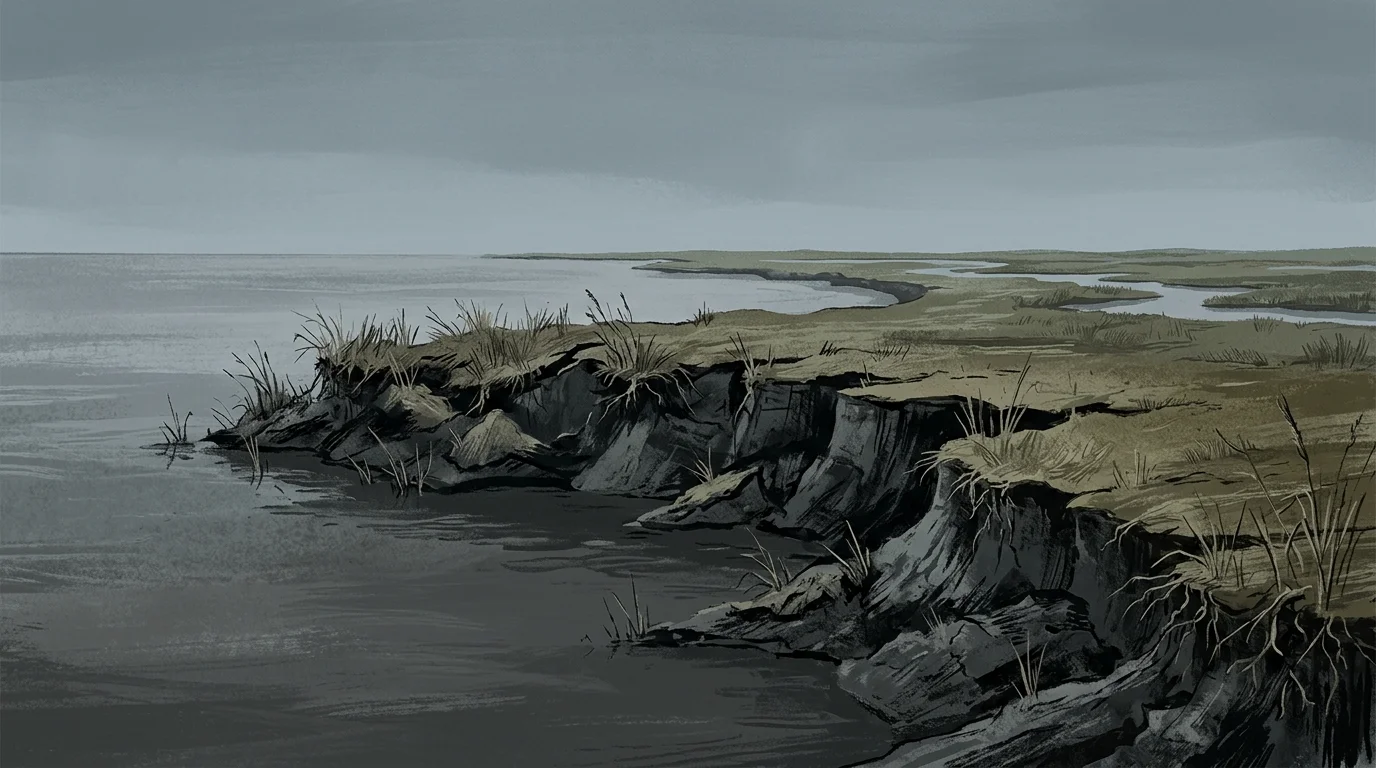
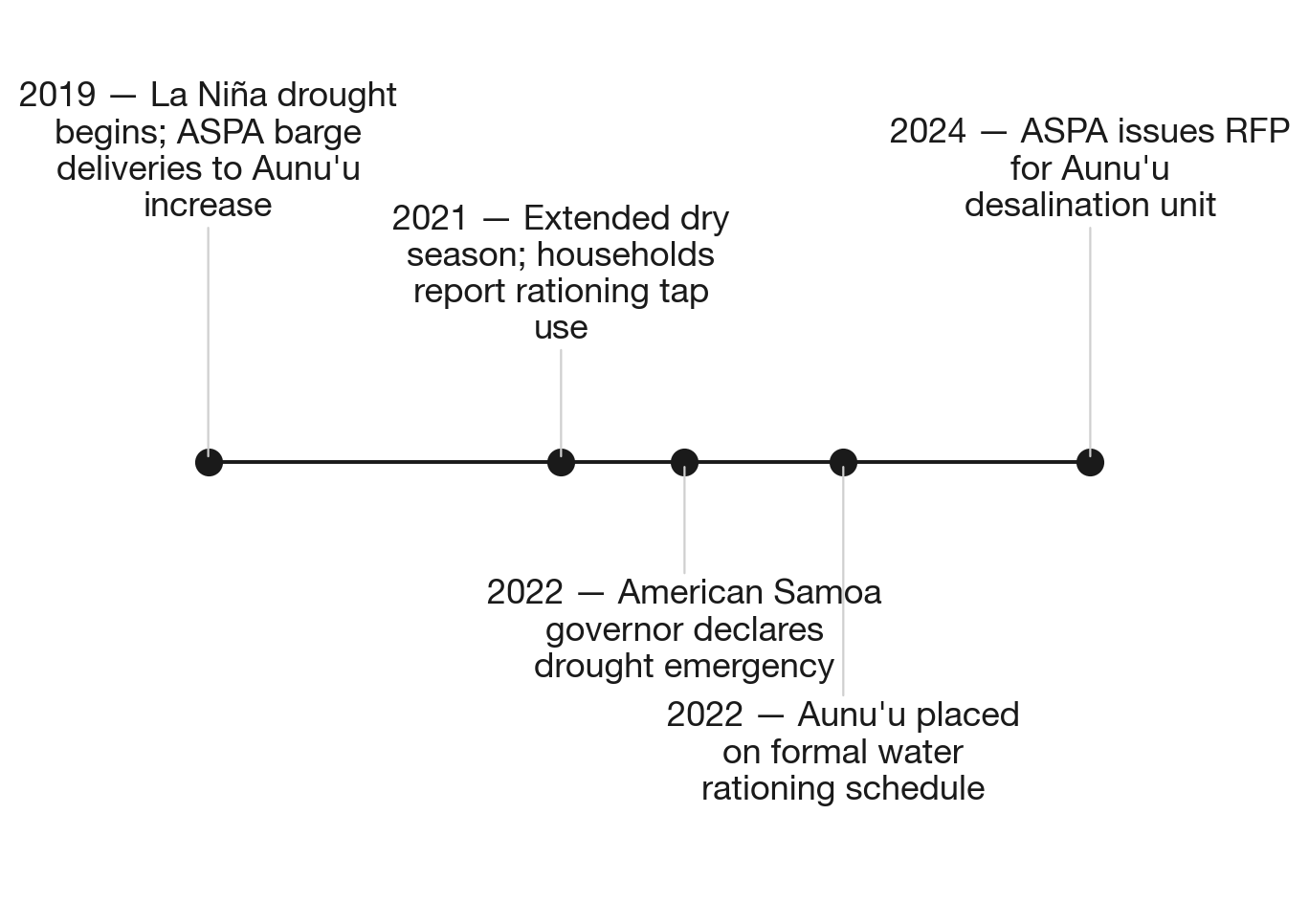
Climate change is making that fragile system harder to sustain. Pacific islands are experiencing longer droughts, more intense cyclones, and accelerating sea-level rise that pushes saltwater further into the ground. American Samoa's 2022-2023 drought forced emergency water rationing across the territory. Aunu'u, small and isolated, is among the most exposed communities in the territory.
The move toward desalination puts American Samoa in step with neighbors facing the same pressures. Guam, the Commonwealth of the Northern Mariana Islands, and several Pacific island nations have already invested in desalination as a climate adaptation strategy. Federal infrastructure funding has helped make the shift possible: the Bipartisan Infrastructure Law and EPA's Drinking Water State Revolving Fund have directed tens of millions of dollars to U.S. territories for water system upgrades in recent years.
Aunu'u, accessible only by small boat, is culturally significant within American Samoa, known for its taro patches, traditional village structure, and a rare quicksand marsh. Water insecurity there has been a longstanding local grievance, and Governor Lemanu Peleti Mauga's administration has identified water reliability in outlying villages as a priority.
The design phase will determine the plant's size, layout, and technical specifications before any construction contract is awarded. How long that process takes, and when residents might see water flowing from a permanent facility, will depend on engineering timelines and follow-on funding.