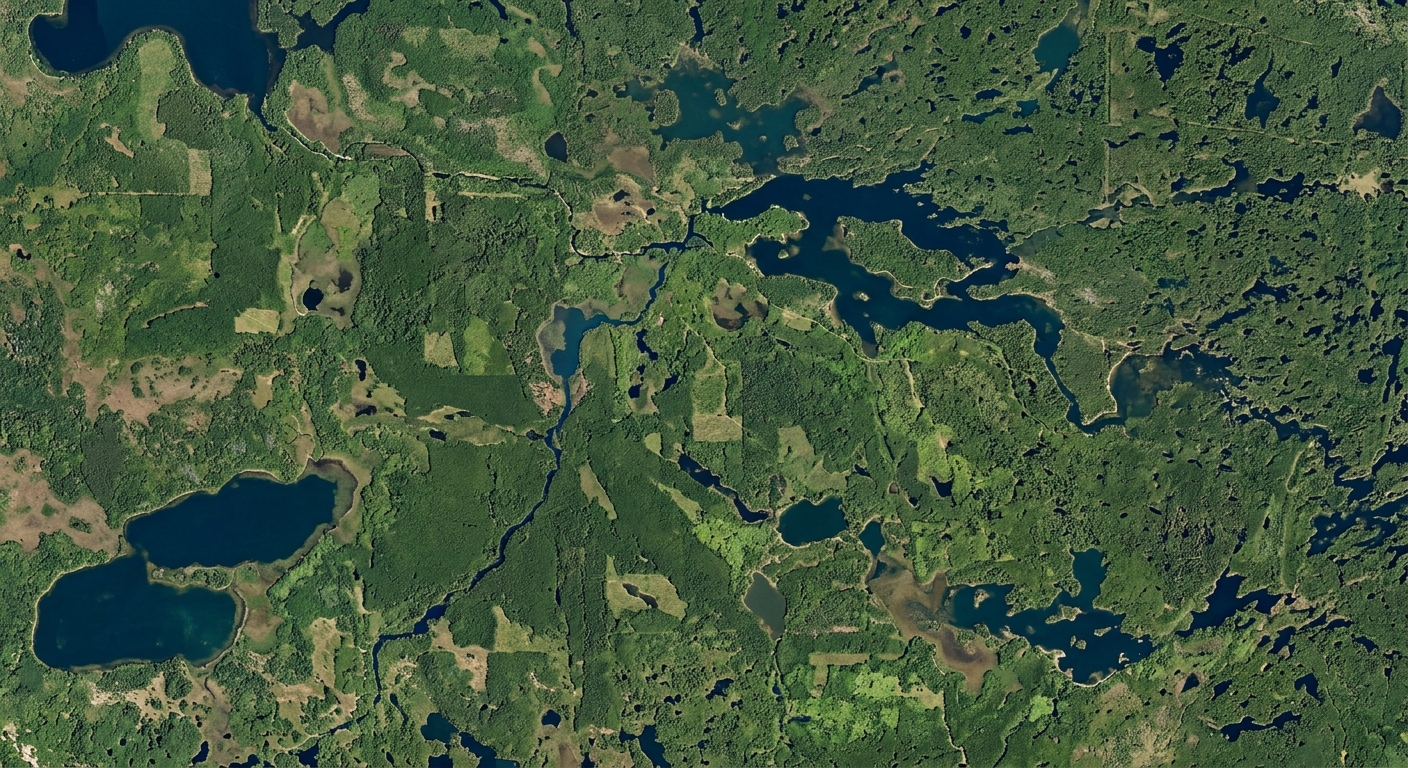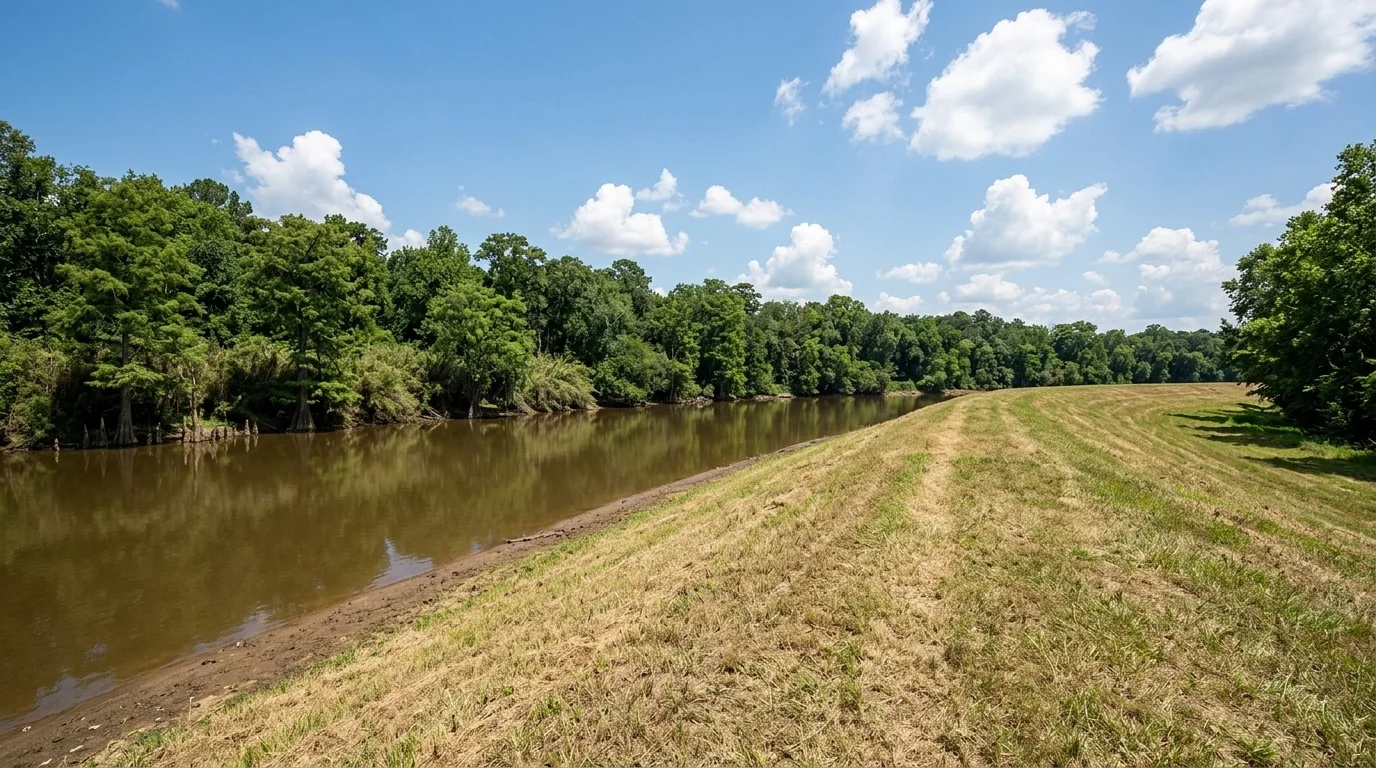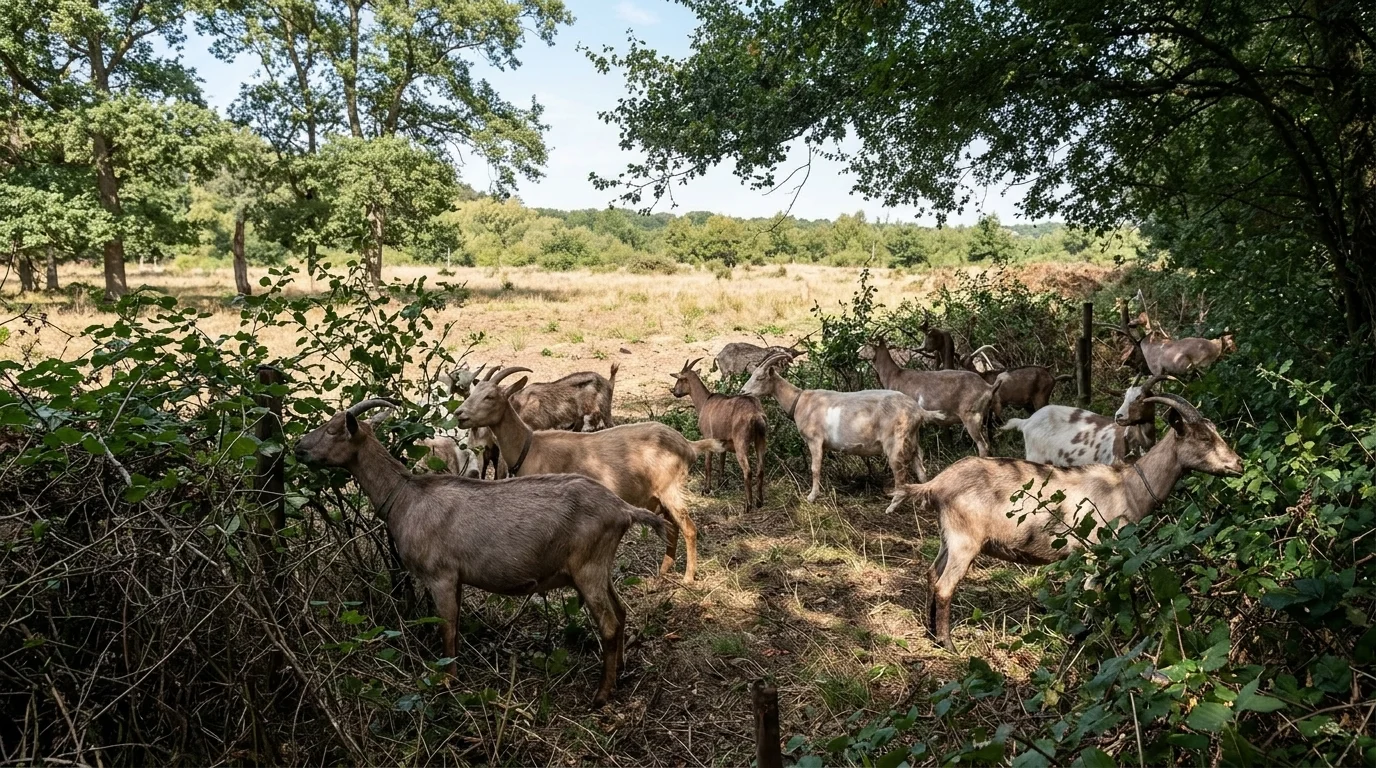
Glacial Lakes State Park in Pope County, Minnesota, is getting a two-year goat browsing program as the state moves from experimenting with the approach to budgeting for it as a regular land management tool.
The Minnesota DNR is seeking a contractor through the state's supplier portal to deploy browsing goats at the Lake Minnewaska area of the park, with the dual goal of controlling invasive shrubs and reducing wildfire fuel loads. The two-year duration is the tell: this is no longer a novelty pilot.
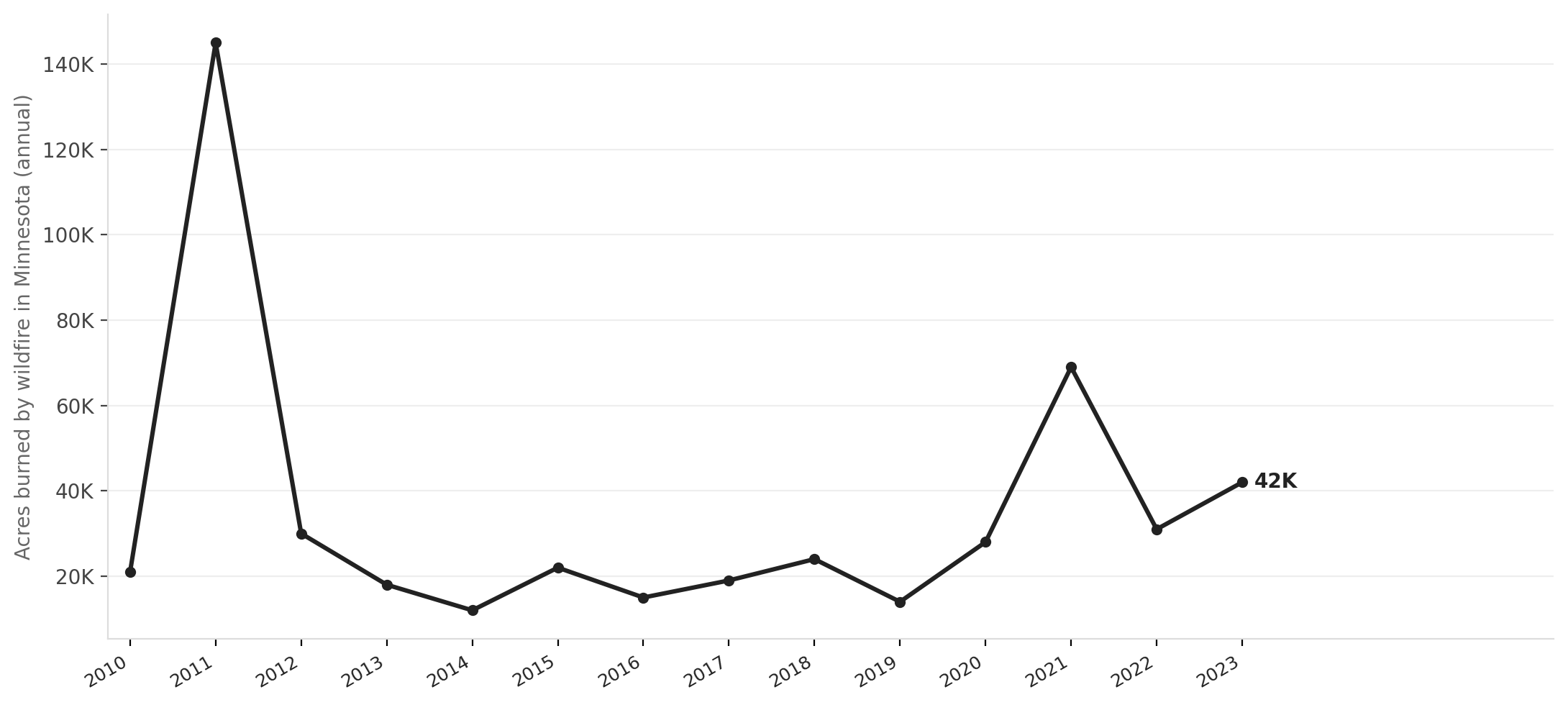
The park sits at the ecological edge where Minnesota's western prairies meet its central hardwood forests, a transition zone that makes it especially vulnerable to invasive brush like buckthorn, which the DNR estimates has spread across more than a third of the state's forested land. Buckthorn and similar woody invaders crowd out native plants and, as they dry out, add to the fuel loads that make wildfires harder to control. Amid the 2021 drought and the smoke-choked summers that followed, the DNR has worked to reduce those risks in parks with oak savanna, prairie, and lakeside terrain like Glacial Lakes.
Source: NationGraph.
Goats have become a practical alternative where herbicides and prescribed burns fall short. They preferentially eat the woody invasives that native deer ignore, can navigate steep and rocky ground, and don't require the narrow weather windows that controlled burns demand. Traditional chemical controls have also faced growing restrictions near water bodies and pollinator habitat, both of which are present throughout the park.
The Minneapolis Park Board has used goats for vegetation management since 2014, and Three Rivers Park District and the Belwin Conservancy have run similar programs. The DNR has been running smaller pilots at state parks and scientific and natural areas since the mid-2010s. Locking in a two-year contract at a single site reflects a broader shift in how the agency thinks about the tool: no longer a curiosity but a budgeted line item.
The DNR will award the contract based primarily on price. The solicitation was posted July 31, 2026, through the state's central supplier portal.