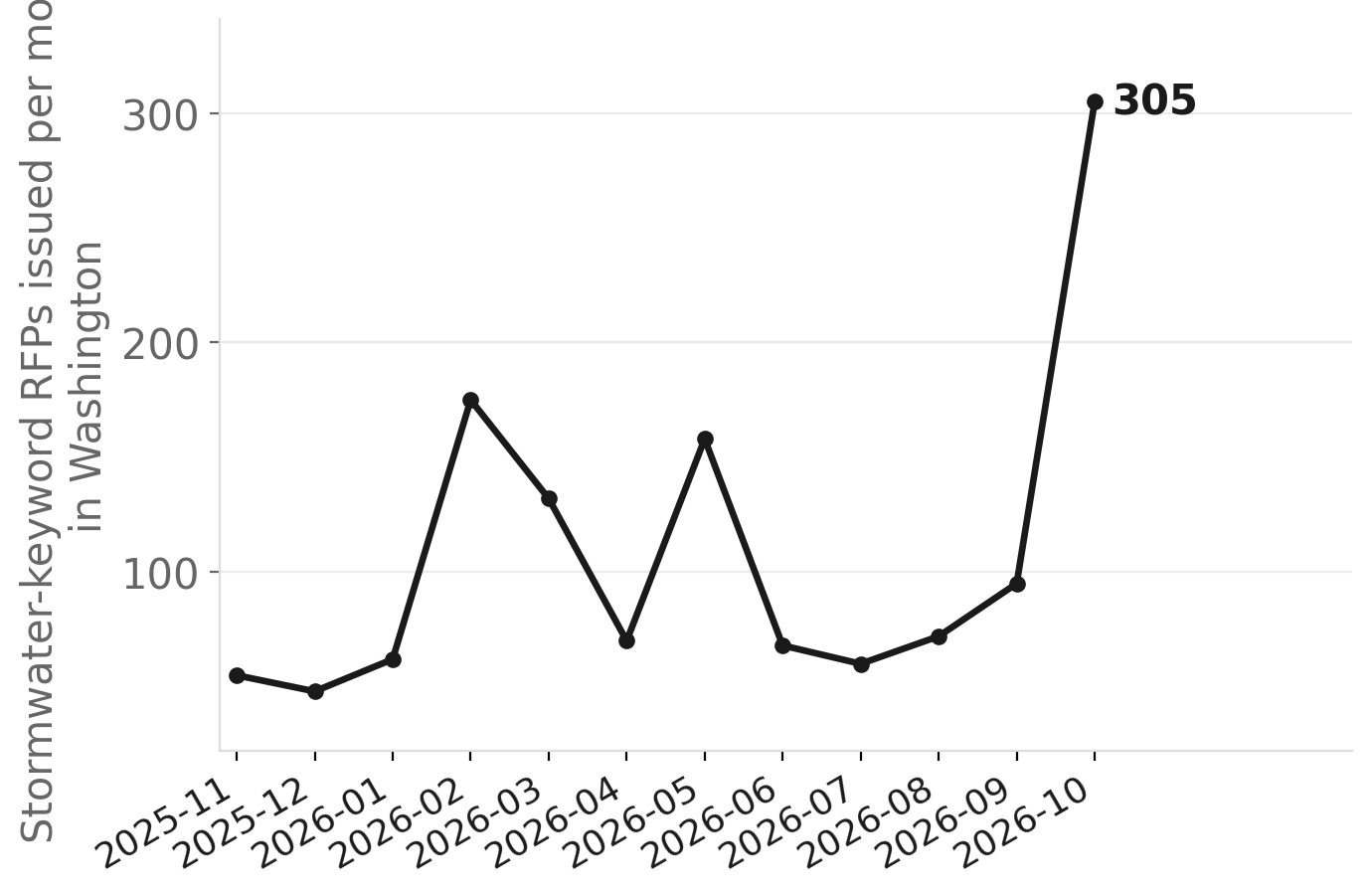
Washington state's municipalities issued 305 stormwater-related RFPs in October 2026 alone, against a 12-month monthly average of roughly 68, a 4.4x spike that makes the state's procurement volume nearly twice California's and four times Oregon's over the same period. The cause is not a new grant program or a construction boom. It is a regulatory clock: a cluster of hard December 31, 2026 compliance deadlines embedded in Washington Department of Ecology's 2024-reissued NPDES Municipal Stormwater Permits, with six weeks now left to meet them.
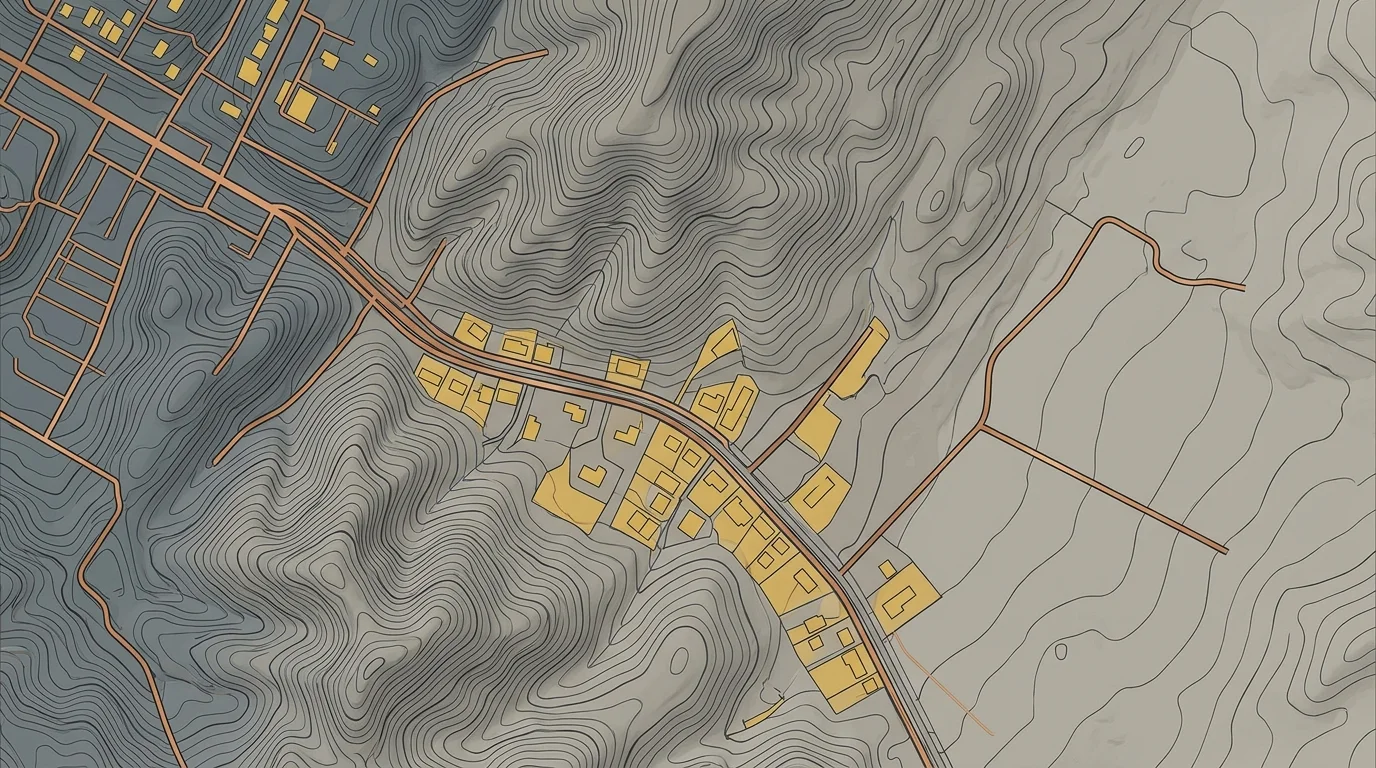
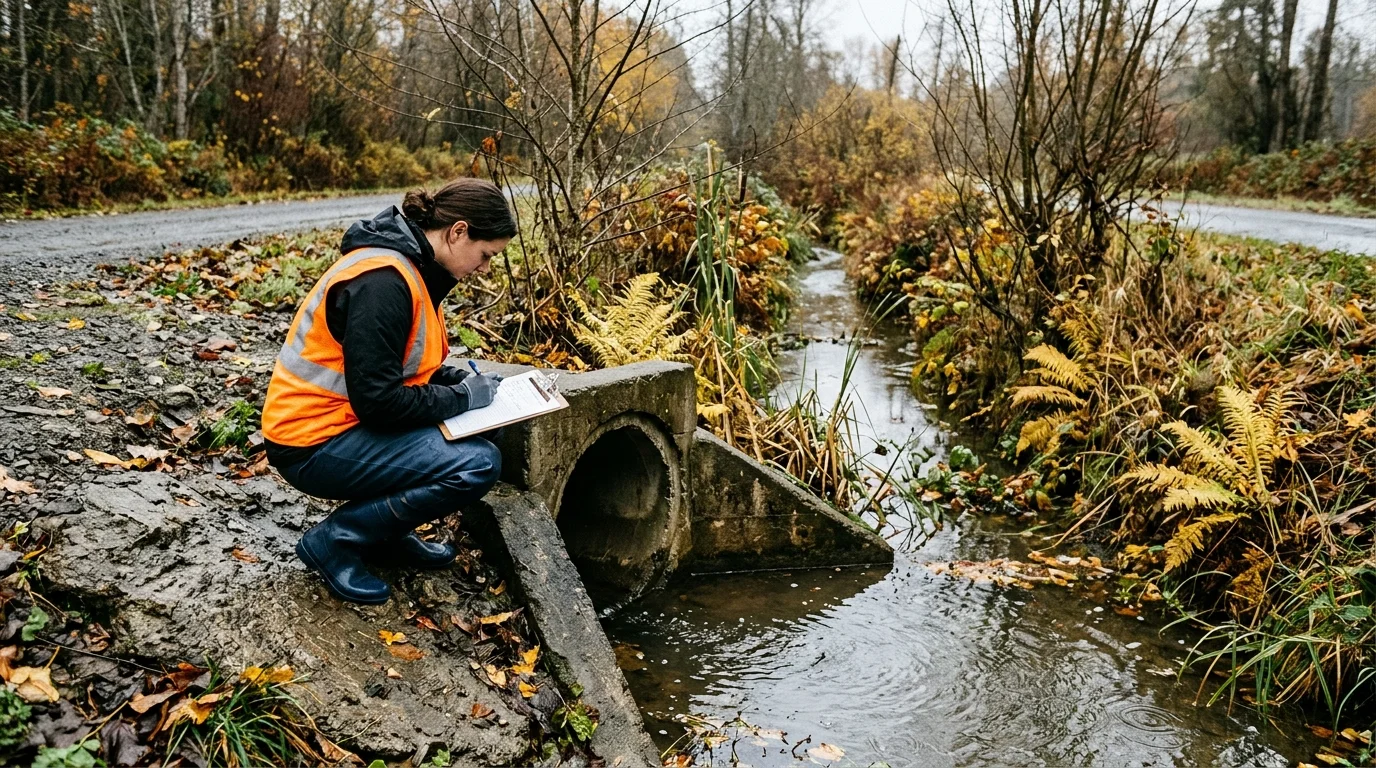
The deadlines are specific and non-negotiable. By December 31, every covered municipality must have its MS4 outfall mapping documented in Ecology's WebIDDE system, tree canopy mapping completed on permittee-owned properties, an overburdened-community identification method on file, and a PFAS management plan coordinated with local firefighting agencies to minimize discharges into storm systems. Those four requirements, embedded across Ecology's Phase I, Phase II Western Washington, Phase II Eastern Washington, and WSDOT-specific permits, now cover more than 80 cities and portions of six counties. All of them are scrambling for the same pool of GIS contractors, stormwater engineers, and environmental consultants at the same moment.
The procurement record shows the sprint did not start in October. Monthly RFP volume was already running more than double the historical average through the first half of 2026, February produced 175 RFPs, March 132, May 158, as municipalities worked methodically down their compliance checklists. October's jump to 305 represents the final acceleration: the contracts that could not be deferred any further, issued as the year-end deadline came into view. This is a stair-step compliance build, not a panic, but the stair just got very steep.
Source: NationGraph.
The October cohort spans the entire state. Whatcom County led with 16 RFPs, followed by Spokane County with 12, the City of Spokane with 9, WSDOT and Issaquah each with 8, and Spokane Valley, Port Townsend, and Kitsap County each with 7. The geographic spread matters: Western Washington permittees face Puget Sound water-quality obligations under the Phase II Western permit, while Eastern Washington permittees operate under a separate permit with different receiving-water contexts. WSDOT's permit covers the entire state highway network, including ferry terminals and park-and-ride facilities, and its reissuance final decision is itself not expected until November 2026, meaning WSDOT was issuing stormwater RFPs while still awaiting its own permit's final terms.
That uncertainty compounds the pressure. A Phase I permit modification published in the Washington State Register on August 5, 2026 extended the public comment period through November 2, 2026, with Ecology's final decision on the modification expected in December. Municipalities in the Phase I cohort were, in other words, racing toward a December 31 deadline while the permit governing that deadline was still being finalized. Ecology's own response-to-comments document for the 2024 permit acknowledges criticism that permittees have cycled through four permit generations with limited on-the-ground results, framing these deadlines explicitly as an accountability inflection point rather than a routine renewal.
Federal dollars are part of the broader stormwater landscape but are not what triggered October's surge. NOAA Coastal Zone Management Act grants, EPA Performance Partnership Grants supporting Ecology's NPDES compliance programs, and EPA National Estuary Program funding for Puget Sound restoration provide ongoing programmatic capacity across the state. Those grants fund staff, equipment, and long-range planning. The procurement spike is compliance-driven: cities and counties procuring the specific deliverables Ecology will check against the permit requirements on January 1.
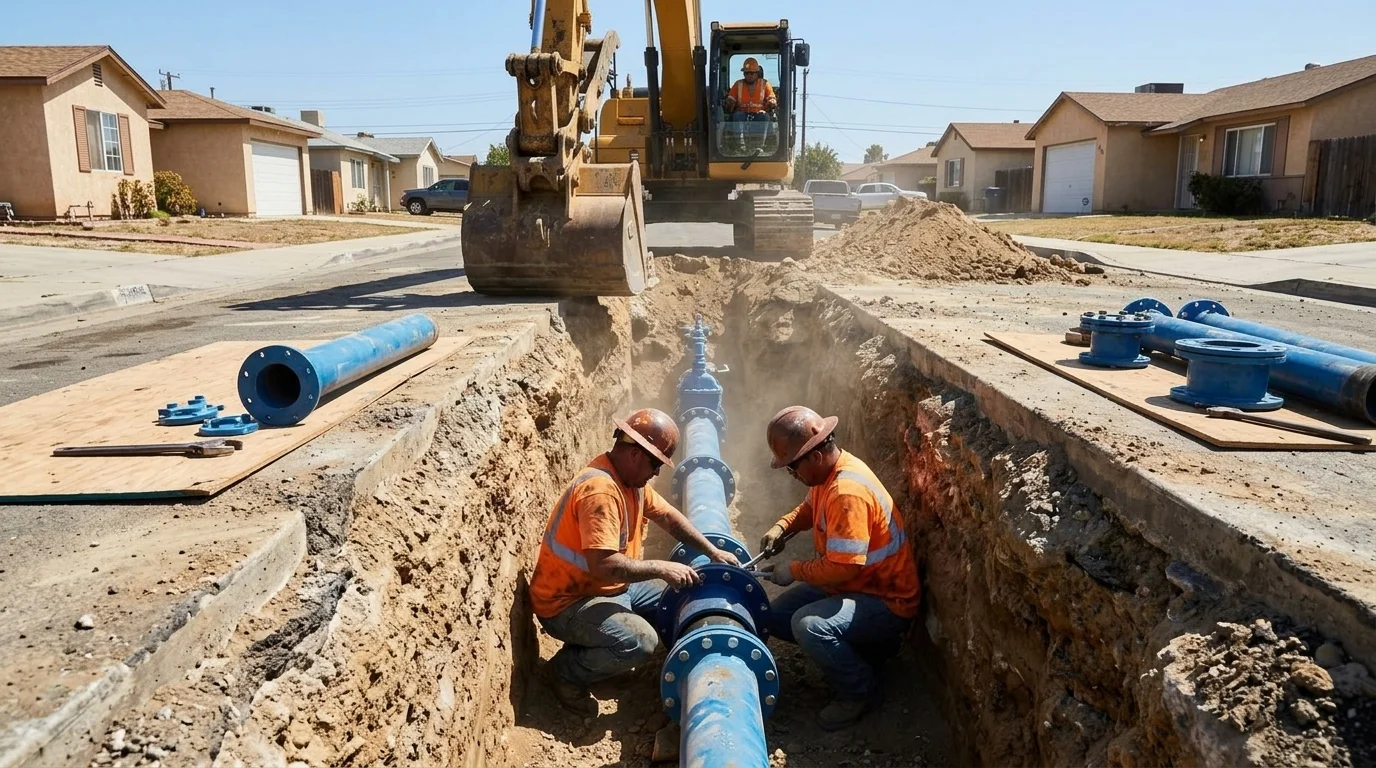
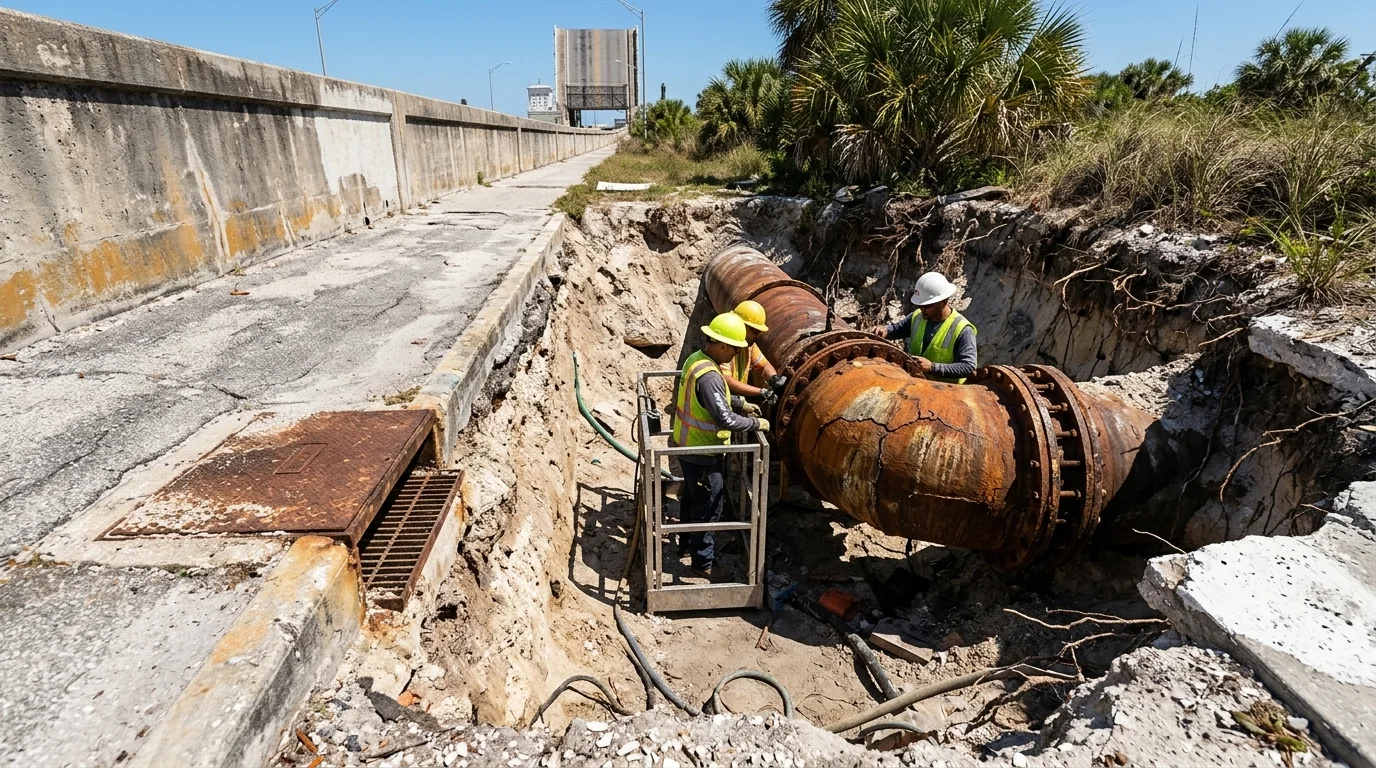
For residents, the most visible near-term result is a wave of stormwater infrastructure activity: outfall inspections, GIS mapping crews, and PFAS sampling at municipal maintenance facilities. Less visible but equally significant is the data layer being built in WebIDDE, a statewide outfall inventory that Ecology will use as a baseline for enforcement and future permit cycles. Communities that miss the December 31 mapping deadline do not simply get an extension; they enter 2027 out of compliance with an active permit.
The open question is whether the contractor market can absorb the demand. When Whatcom County, Spokane County, the City of Spokane, Issaquah, Kitsap County, Port Townsend, and Spokane Valley are all issuing stormwater GIS and engineering RFPs in the same 30-day window, the same firms are receiving all of them. Contract awards and project start dates will reveal whether the procurement sprint translates into completed deliverables by December 31, or whether Ecology faces a compliance shortfall it did not anticipate when it set the deadline two years ago.