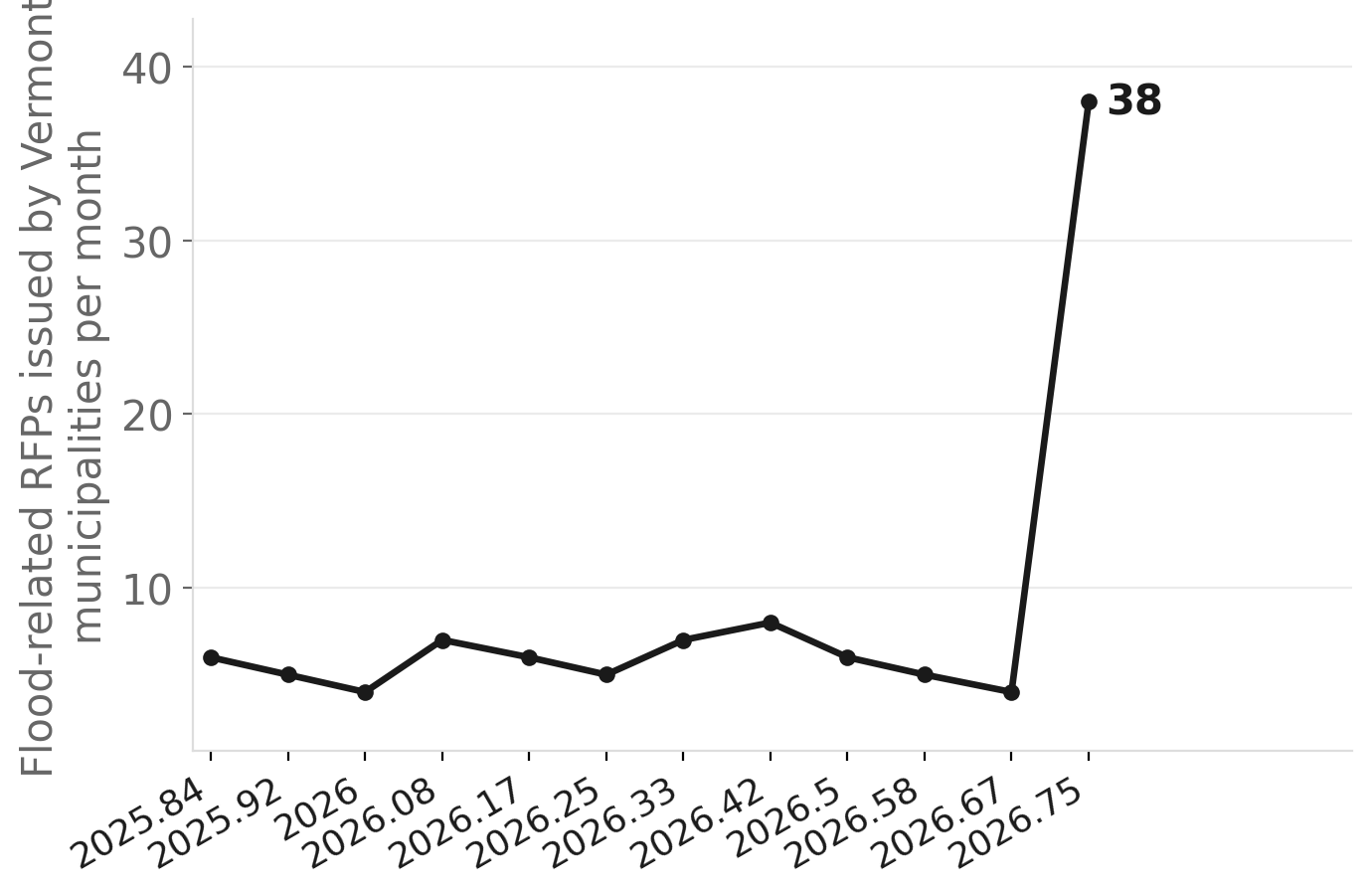
Vermont towns issued 38 flood-related RFPs in the past 30 days, nearly six times the baseline rate of about 6.5 per month, and the surge is not a sign that federal money is flowing in. It is a sign that towns have stopped waiting for it.
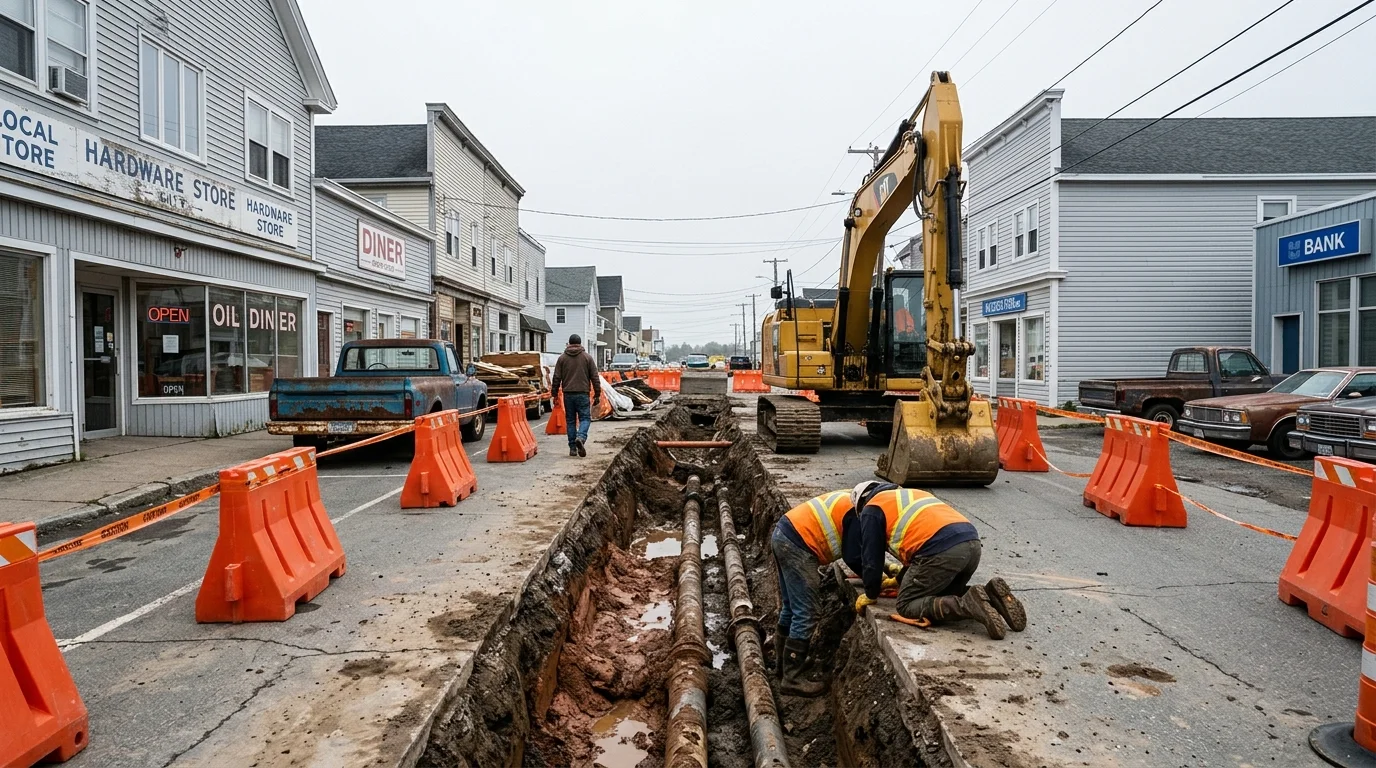
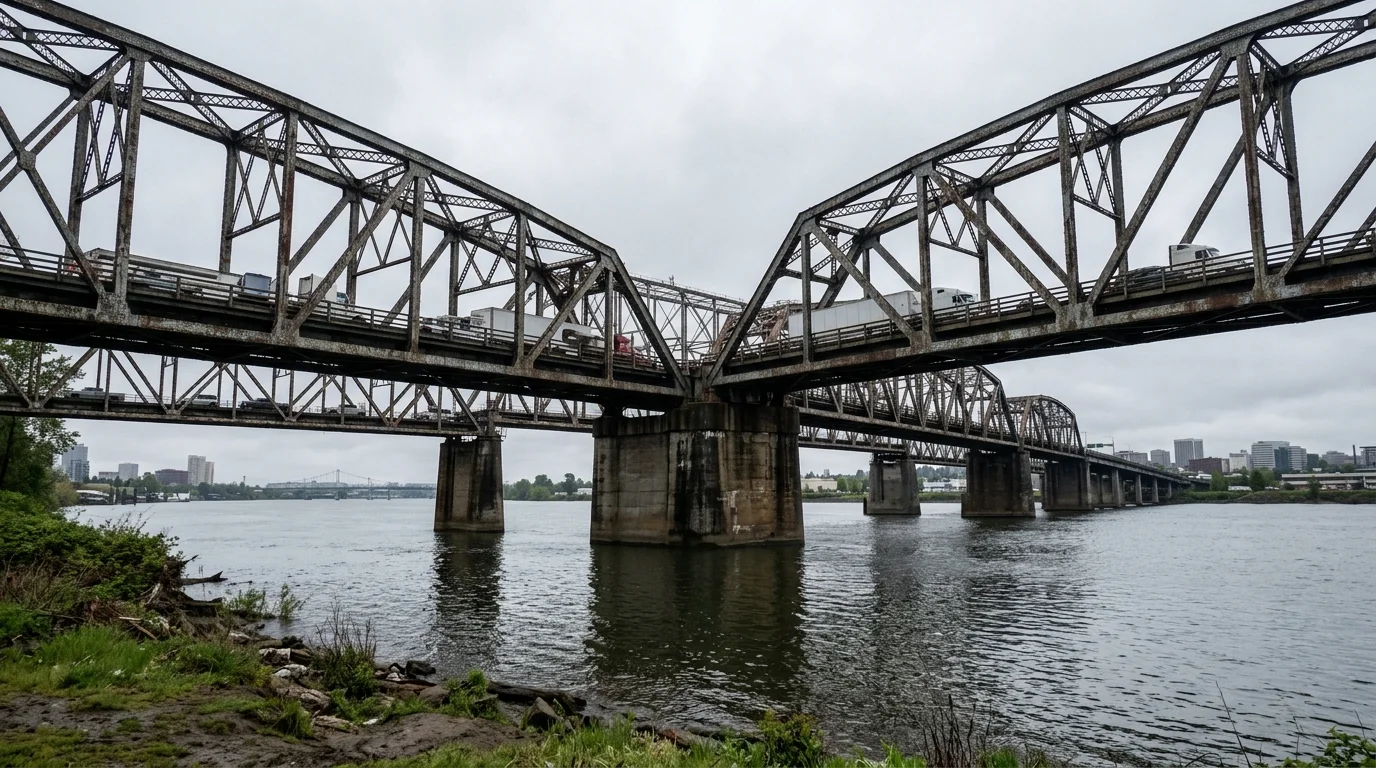
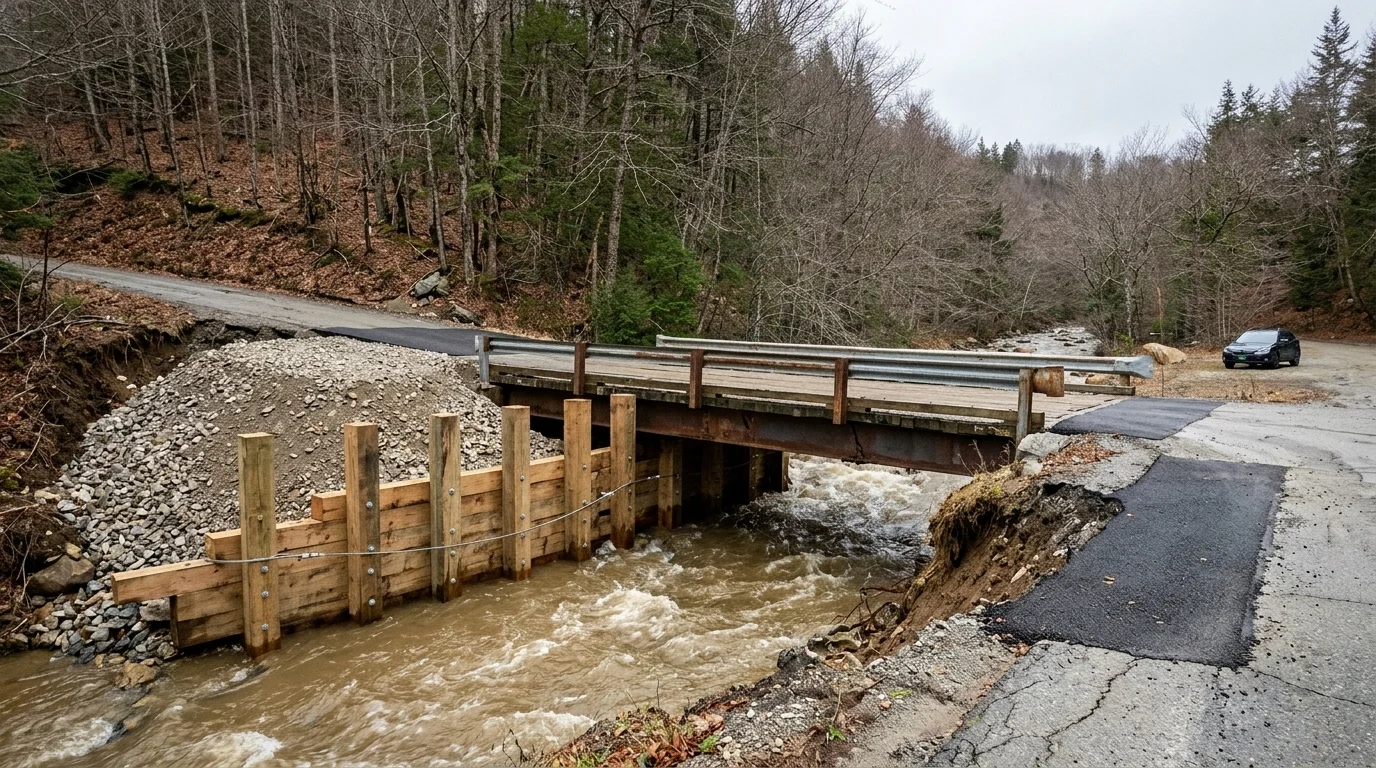
The spike is concentrated in Caledonia and Washington counties, the same jurisdictions at the center of Vermont's compounding federal aid crisis. The Town of Wheelock issued six RFPs covering embankment stabilization, bridge repairs, and a FEMA project manager position. Hardwick issued five, ranging from bridge reconstruction and floodplain restoration to demolition of distressed structures and a downtown mitigation scoping study. The Lamoille County Planning Commission issued four, focused on floodplain restoration final designs and stream obstruction planning. Taken together, these RFPs span the full arc from emergency repair to forward-looking resilience work, which tells you something about where Vermont towns now believe they stand.
Three compounding shocks explain why October 2026 became the breaking point. First, FEMA denied Governor Phil Scott's Major Disaster Declaration request for the July 2025 Northeast Kingdom floods, a historically unusual outcome given that assessed damage of $1.85 million exceeded FEMA's $1.2 million eligibility threshold, and then denied the state's appeal on February 7, 2026 with no public explanation. Vermont Emergency Management Director Eric Forand said there were "no further options." Vermont's congressional delegation sent a formal letter demanding FEMA justify the denial. Second, the Trump administration canceled FEMA's BRIC hazard mitigation program in spring 2025, clawing back $2.7 million already awarded to roughly 40 Vermont communities mid-project. Third, on October 27, 2026, Senator Welch announced $20 million in FHWA Emergency Relief funds for 39 communities from the 2023 and 2024 floods, the most recent installment in a years-long drip of infrastructure reimbursement money that had left towns unable to solicit contractors while they waited for confirmation. That announcement appears to have broken a logjam.
Source: NationGraph.
The result is a procurement wave driven by at least three distinct funding streams doing three distinct things simultaneously. FHWA Emergency Relief reimburses states and municipalities for road, bridge, and culvert repairs after disasters, the Wheelock and Hardwick bridge RFPs likely fall here. FEMA Flood Mitigation Assistance grants, including a September 2026 announcement of $2.3 million for Vermont communities, fund pre-disaster resilience and structure-level risk reduction. And state appropriations, Vermont lawmakers weighed transferring roughly $1.3 million from a reserve fund already down to about $44 million, are being used as a gap-fill of last resort for the towns FEMA denied outright. These are not the same program, and they are not interchangeable. Towns issuing RFPs right now are drawing on whichever stream applies to their project, and in some cases on no stream at all, proceeding on their own credit in the expectation that reimbursement will eventually arrive.
The structural problem underneath all of this is that Vermont was never well-positioned to absorb a federal retreat. A 2025 Pew Charitable Trusts report identified Vermont as the most financially vulnerable state in the country to swings in federal disaster aid. Vermont has no county government layer, a gap that experts say has caused the state to miss federal funding opportunities that require local administrative capacity. Its historical average of $30.9 million per year in federal disaster funding masked enormous volatility, $421 million after Tropical Storm Irene in 2011, far less in quieter years, and the current three-year flooding sequence is testing a system designed around occasional large disasters, not consecutive ones.
The RFP time series itself tells this story. There was a previous spike of roughly 100 RFPs in July 2025, coinciding with that summer's flooding event. Then a sharp drop-off, as towns waited to learn whether FEMA would declare a disaster and cover costs. The denial came in October 2025. The appeal was denied in February 2026. And now, eight months later, the procurement system has surged again, not because the federal pipeline opened, but because towns decided they could not wait any longer for it to.
For residents of Wheelock, Hardwick, Barnet, and the other small Northeast Kingdom municipalities at the center of this wave, the practical consequence is straightforward: local governments are committing to flood repair and resilience contracts that may not receive full federal reimbursement, and in some cases may receive none. Vermont's state reserve, at roughly $44 million, is estimated to cover only one large storm. The October RFP surge is municipalities betting that building now is cheaper than waiting for the next flood. Whether the federal programs that have historically backstopped those bets will still be there when the invoices come due is the open question that neither Montpelier nor Washington has answered.