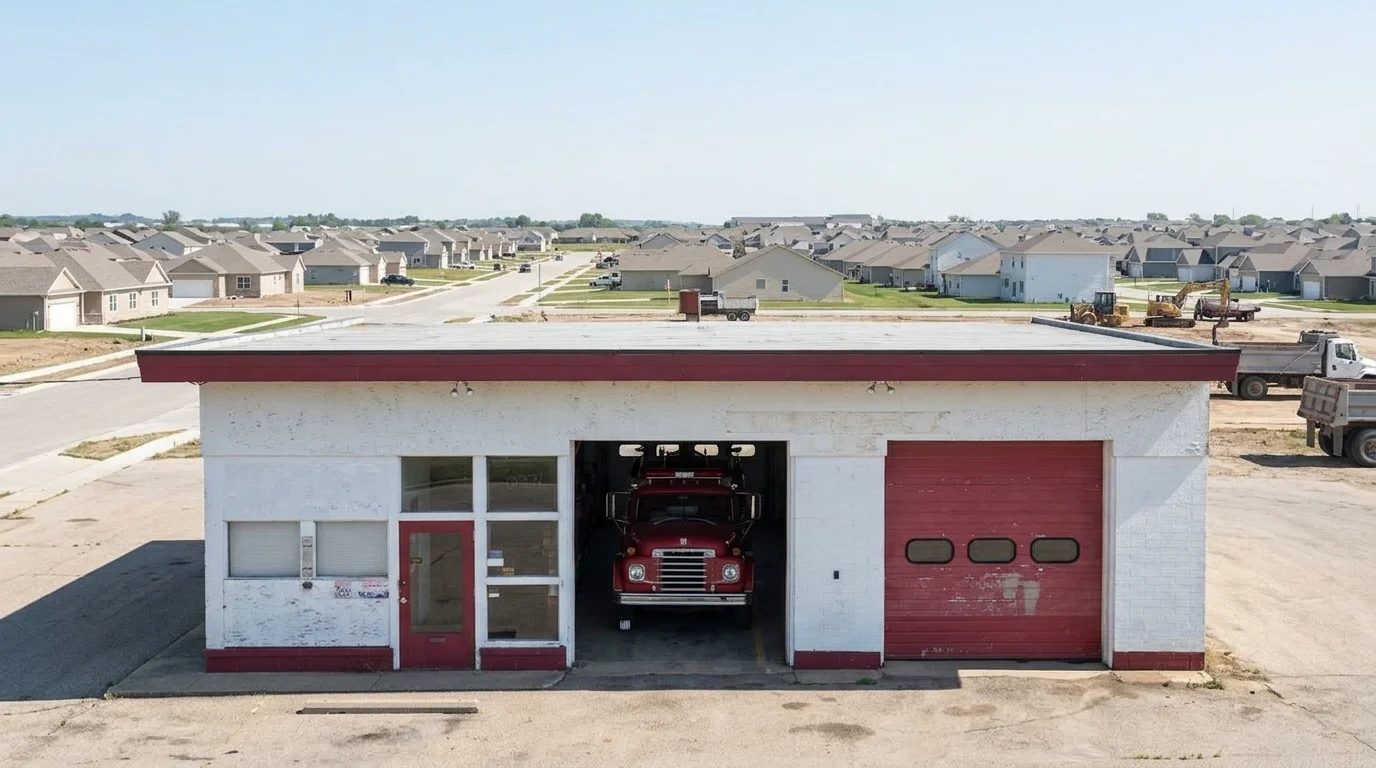
Fountain, Colorado is pushing to modernize one of its fire stations as a generation of rapid residential growth has stretched emergency response infrastructure built for a far smaller city.
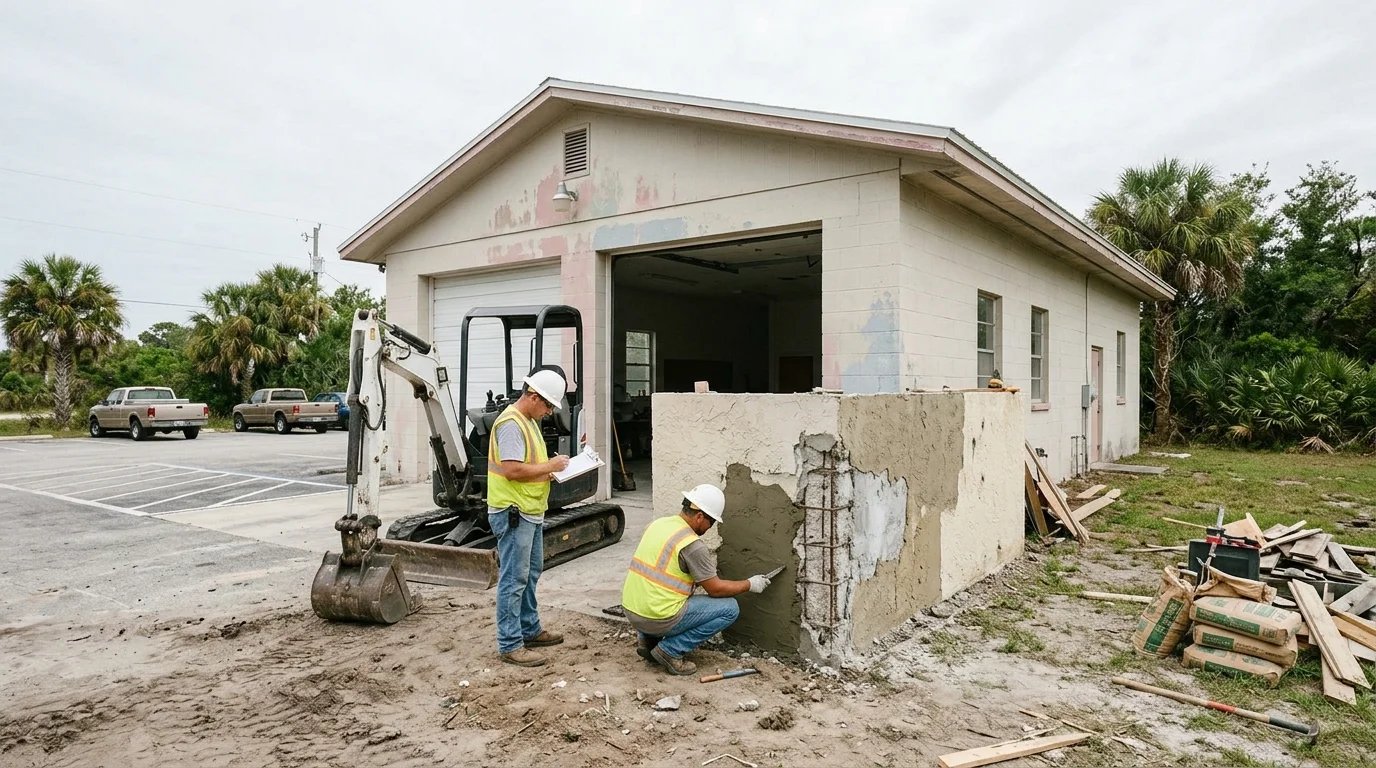
The community of roughly 30,000 just south of Colorado Springs has nearly doubled in population since 2000, driven by affordable housing, southward sprawl from the metro, and the steady pull of Fort Carson. That growth has added subdivisions faster than public safety infrastructure could keep pace. Now the city is hiring contractors to address Fire Station #4, part of an effort to bring its emergency facilities in line with what a city this size actually needs. The project's full scope, whether renovation or full replacement, and its budget are detailed in the solicitation posted to BidNet Direct, which the city revised in late October.
The project fits a national pattern. Across the country, fire departments are grappling with stations designed in the Cold War era or the 1970s that were never built for today's realities: longer, heavier modern apparatus that barely fits through older bay doors, gender-integrated crews that require separate sleeping quarters, and decontamination standards that have become urgent since research linked firefighter cancer rates to diesel exhaust and contaminated gear. As NationGraph has previously reported, [Fountain has been building out its fire coverage](articles/fountain-co-building-4th-fire-station-as-growth-outpaces-emergency-response) as growth on the city's east and south sides pushes service areas outward.
For a working-class, military-connected community that has operated on tight municipal budgets, any significant fire station investment is a meaningful commitment. Fountain is still navigating the long shadow of its 2016 PFAS water contamination crisis, when firefighting foam chemicals from Peterson Air Force Base were discovered in the city's drinking water supply, a situation that remains in litigation and has made residents and officials cautious about major infrastructure spending.
The city's next step is contractor selection, with the project timeline and construction schedule to be determined once a firm is on board.