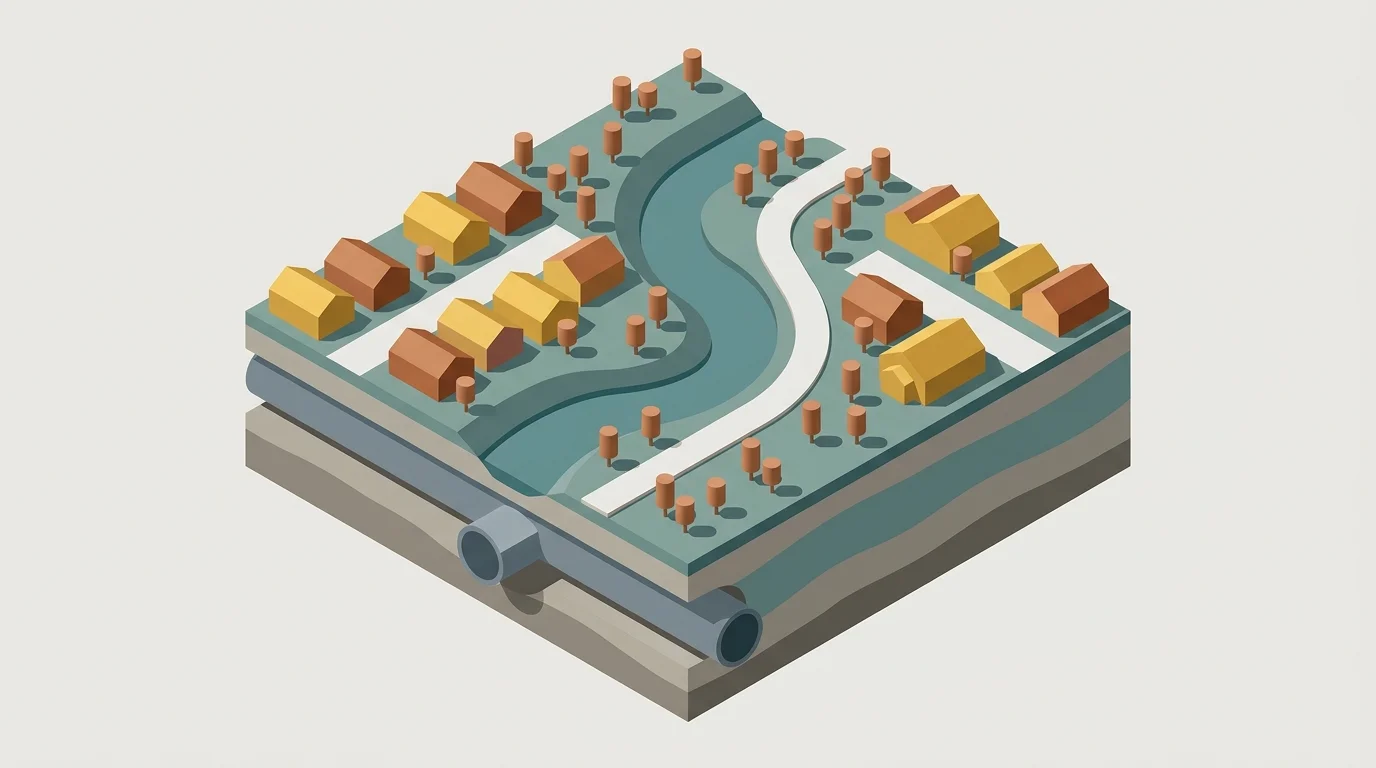
Wilsonville, Oregon is moving ahead with a two-part project along Boeckman Creek: upgrading the sewer trunk line running through the heart of the city's fastest-growing neighborhoods while simultaneously laying down a public trail through the same corridor.
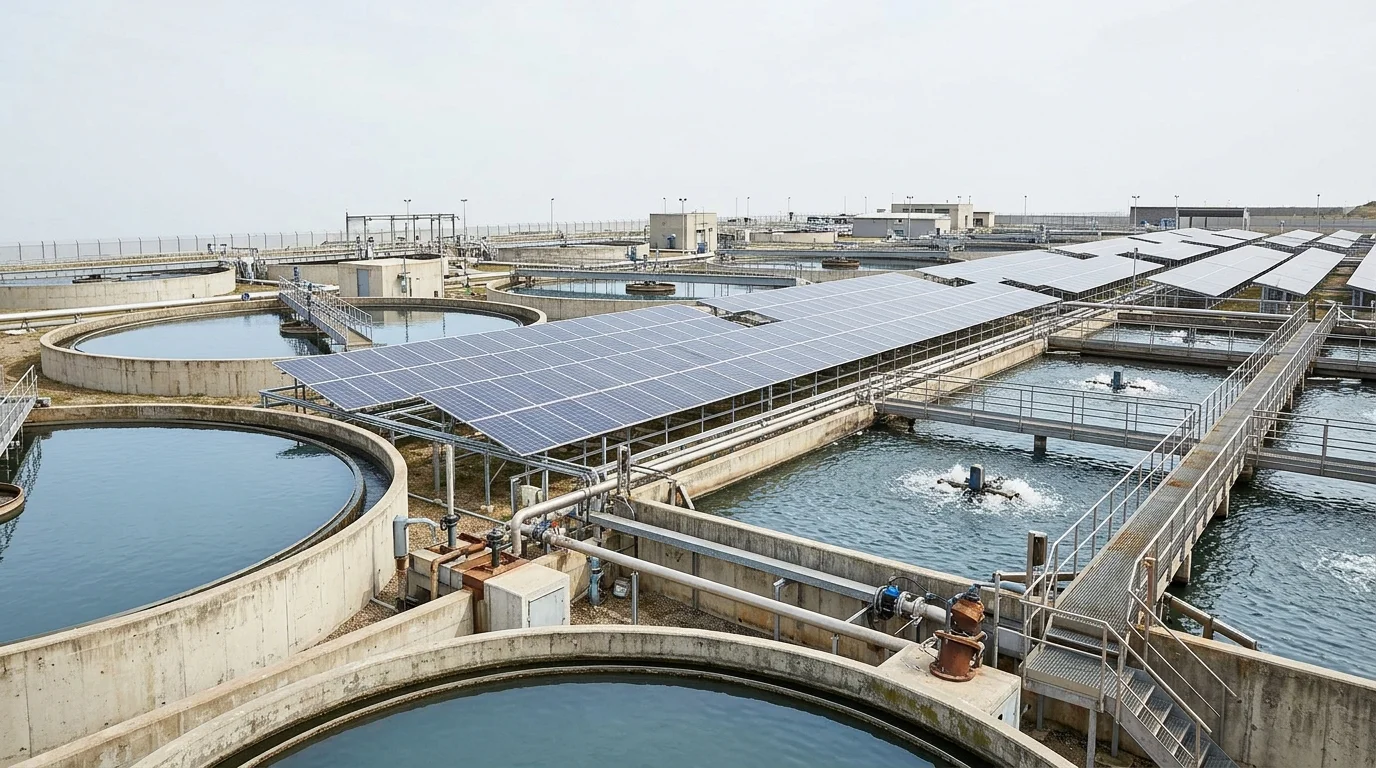
The sewer interceptor, a large-diameter pipe that collects flow from smaller neighborhood lines and carries it to Wilsonville's wastewater treatment plant before discharge to the Willamette River, has come under pressure as the city's population has roughly doubled since 2000. The Frog Pond area, on Wilsonville's southern edge, is one of the largest remaining greenfield development zones in the entire Portland metro region, with thousands of new homes planned or already under construction. That growth funnels directly into the Boeckman Creek corridor, and the existing infrastructure wasn't built for it.
The trail component isn't an add-on. Because sewer interceptors follow creek corridors and require permanent maintenance easements anyway, the cleared corridor and construction access create a natural opportunity to build a multi-use path at substantially lower cost than doing it separately. Wilsonville has used the same approach before, building segments of the Boeckman Creek trail in prior phases alongside utility work, and both the city's Parks Master Plan and its Transportation Systems Plan identify connected creek-corridor trails as a priority.
Funding for the sewer portion may draw on Oregon's Clean Water State Revolving Fund, which has been significantly expanded by the 2021 federal Bipartisan Infrastructure Law's roughly $55 billion in water and wastewater investment. The trail could tap separate sources including Metro's 2019 Parks and Nature Bond or federal Transportation Alternatives Program funds. Bundling the two projects into a single construction effort also concentrates the disruption, sparing residents from repeat closures and excavations.
With the city now in active procurement for contractors, the project record is posted on Wilsonville's engineering page. A contractor selection will be the next visible milestone before construction begins.