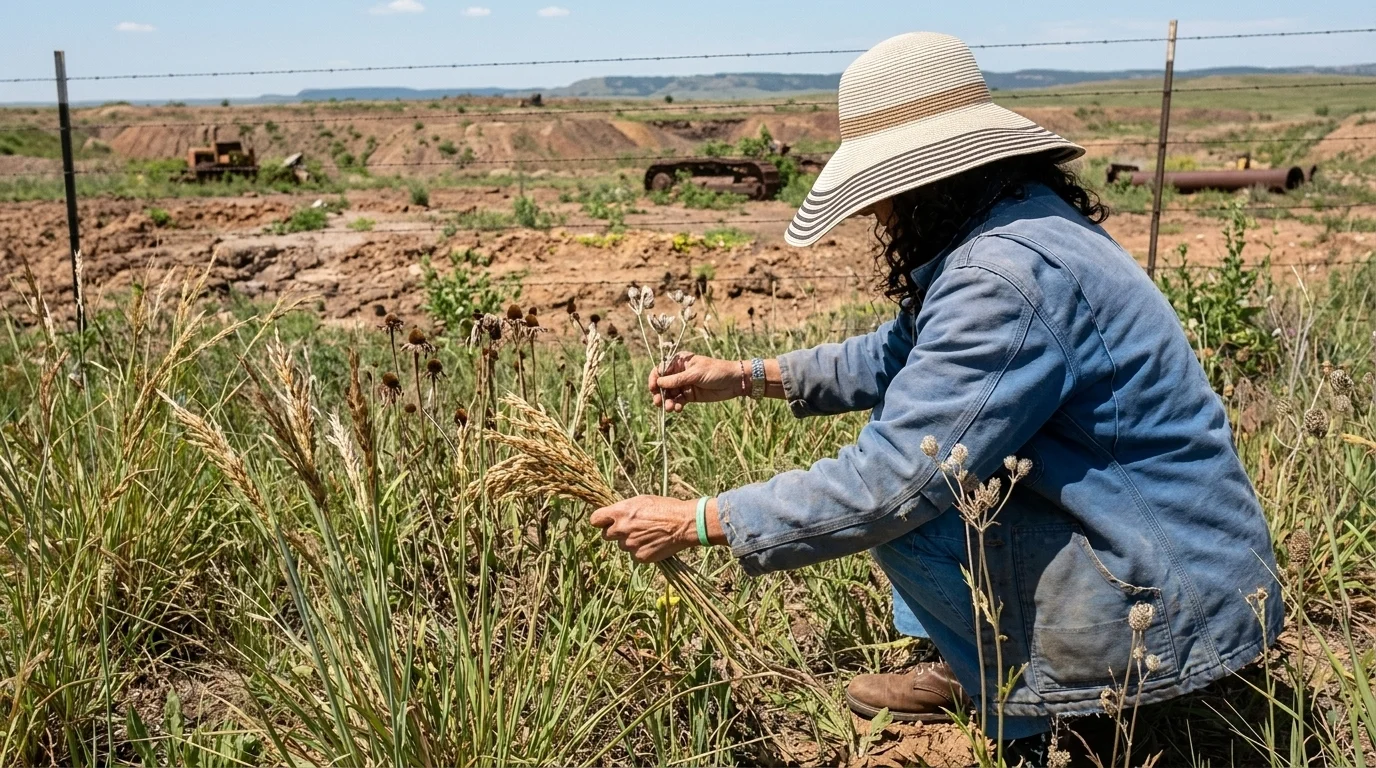
Hundreds of thousands of acres of land scarred by coal mining are finally in line for restoration, thanks to a wave of federal money that started flowing to states in 2022. But getting those landscapes to grow back the right way depends on something in short supply: native seed, grown locally.
An unnamed government agency has posted a solicitation seeking native seed suppliers for its Abandoned Land Program reclamation work, with a structure that favors regional growers over national seed brokers. The agency and state are not identified in the procurement record, a significant gap that limits what can be reported with certainty.
The effort fits squarely into a national policy push that picked up speed after the Bipartisan Infrastructure Law of 2021 pumped $11.3 billion into the federal Abandoned Mine Land program, roughly tripling its historic funding level. That money, which started reaching states and tribes in 2022 and 2023, is now generating a procurement surge for everything needed to actually restore the land, including seed.
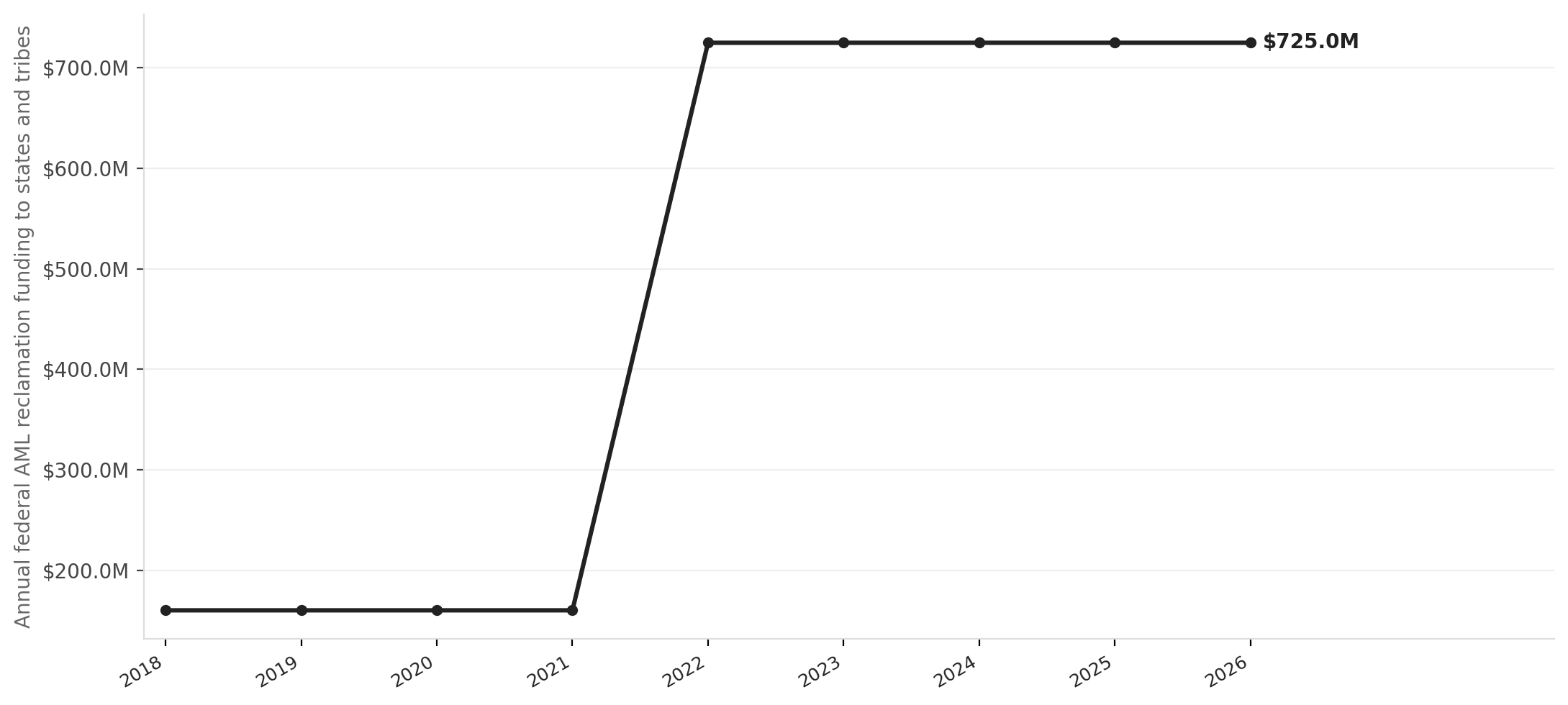
Source: NationGraph.
Native seed is the critical bottleneck. A 2023 National Academies of Sciences report found that restoration demand, driven by mine reclamation in Appalachia and the Interior West, wildfire recovery and grassland initiatives, far exceeds what commercial suppliers can provide. Native species often take two to three years from planting to harvest, so growers need reliable contracts before they'll commit the acreage. RFPs like this one are the direct response: recruiting local farmers into the supply chain rather than relying on national brokers who may not stock regionally appropriate varieties.
The ecological stakes are real. Earlier generations of mine reclamation often used non-native grasses like tall fescue or invasive species like crown vetch and autumn olive, which stabilized slopes but created new ecological problems. Locally adapted native plants establish deeper root systems, support pollinators and hold off invasive species more effectively over the long term.
Where exactly this project is happening matters for understanding the full story. In Appalachian states like Pennsylvania, West Virginia or Kentucky, grower contracts like this are pitched as part of a post-coal economic transition, reclamation work as replacement industry. In western states like Wyoming or Colorado, the framing is more about rangeland health and wildfire resilience. Similar efforts to bring local farmers into native seed supply chains are underway in multiple states as AML funding ramps up.
The agency's identity and the specific acreage targeted for reseeding remain unknown. Readers with knowledge of state AML programs should treat the procurement link as a starting point for confirming which jurisdiction is behind this work.