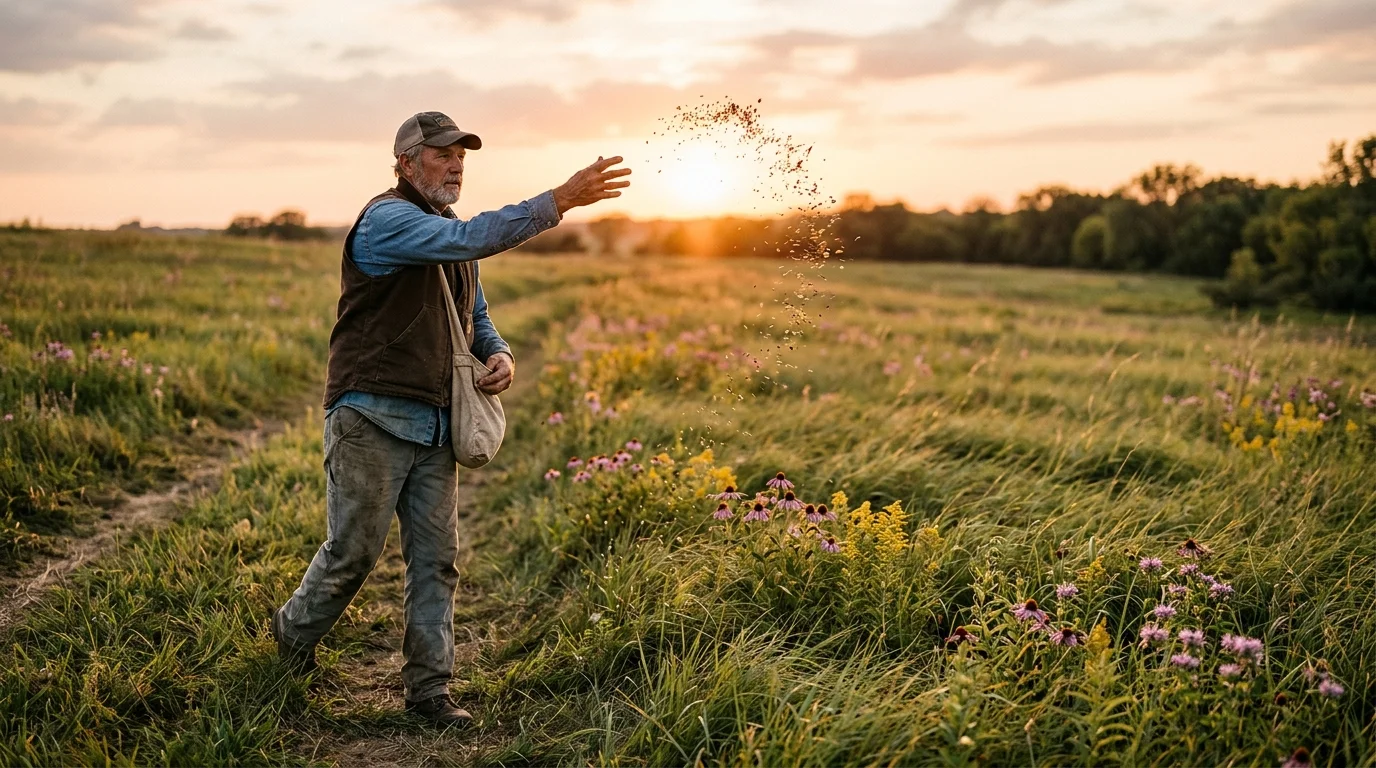
Acres of land left barren by decades of mining and industrial abandonment are getting a second chance, as a state agency moves to hire local farmers to grow the native seeds needed to bring those landscapes back to life.
The effort, posted as a procurement on July 22, reflects a deliberate strategy: rather than buying seed on a thin commercial market, the state wants to develop a regional supply chain by paying local growers to produce native species suited to the specific soils and climate of abandoned sites. The agency and exact jurisdiction were not specified in the procurement record.
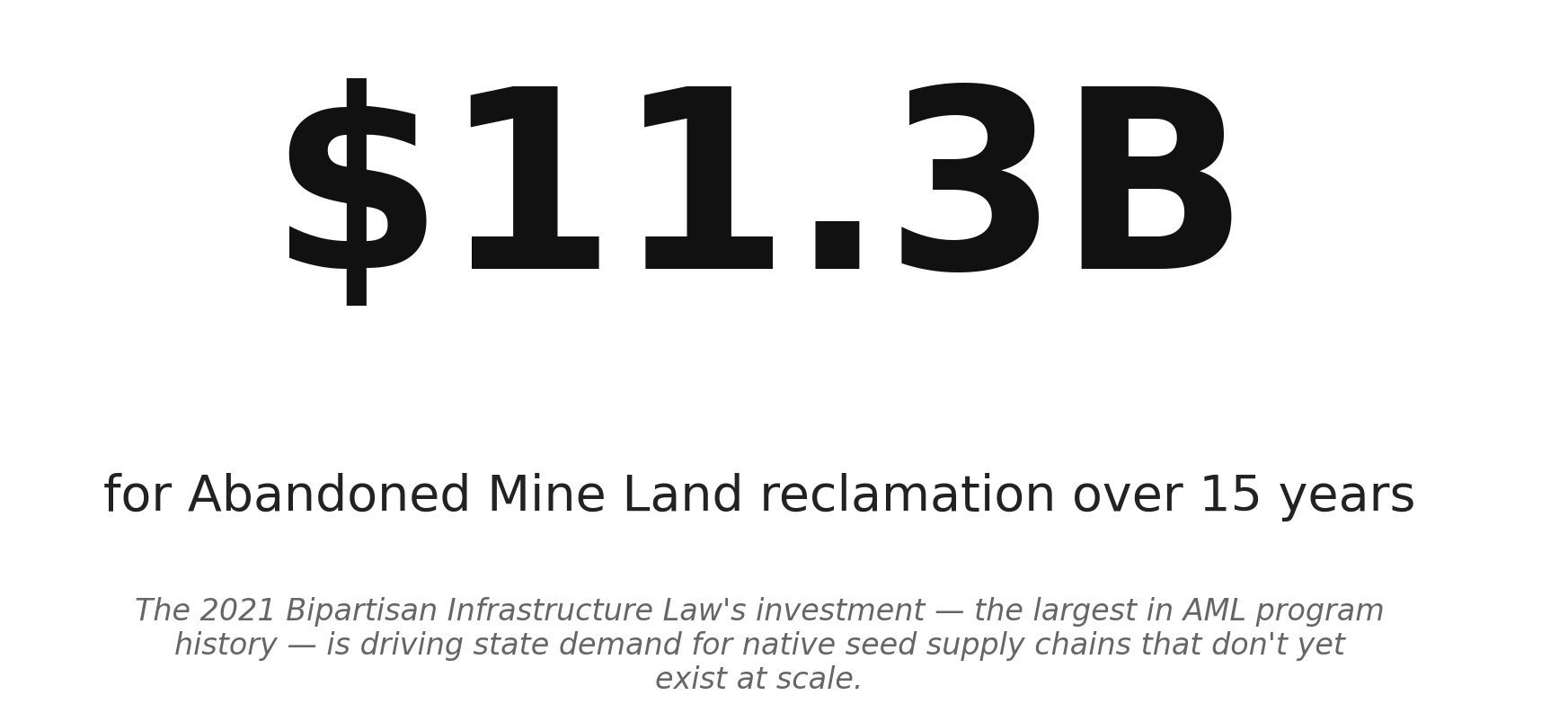
Abandoned land reclamation has been a federal priority since the Surface Mining Control and Reclamation Act of 1977 created a fund to address the wreckage left by pre-regulation coal mining: collapsed shafts, acid drainage and hillsides stripped bare. For decades, the program ran on modest funding and focused mainly on physical hazards. The 2021 Bipartisan Infrastructure Law changed that, injecting $11.3 billion into reclamation over 15 years, the largest investment in the program's history, and sending states racing to actually spend it.
Source: NationGraph.
Native seed is now the chokepoint. A 2023 National Academies of Sciences report warned that U.S. native seed capacity is dangerously inadequate for current restoration demand, and federal agencies have been pushing states to stop relying on non-native cover crops like crested wheatgrass in favor of locally adapted plants that produce more resilient, biodiverse results and support pollinators. Monarch butterfly and bee populations have declined 40 to 90 percent in recent decades, and ecologists say restoring native plant communities is among the most direct ways to reverse that trend.
The federal Bureau of Land Management's National Seed Strategy, updated in 2023, explicitly calls on states to build regional native seed markets because the commercial supply of ecotype-appropriate seed is too thin, too expensive and too unreliable at the scale now required.
By contracting directly with local growers, the state is effectively creating the market it needs, turning reclamation dollars into a rural economic development opportunity while addressing the ecological damage at the same time.
The specific dollar value, contract length, target acreage and seed species involved were not disclosed in the available record. Vendors and growers interested in participating would need to consult the sourcing platform for those details as the procurement moves forward.