A small conservation district in western Vermont is pushing forward with stream and wetland restoration on a tributary of the Poultney River, part of a years-long, court-pressured effort to clean up Lake Champlain by fixing the waterways that feed it.
The Poultney Mettowee Natural Resources Conservation District, which serves rural communities in Rutland and Bennington counties along the Vermont-New York border, is seeking contractors for the restoration work. The goals are cleaner water and better habitat, but the stakes extend well beyond this single tributary.
Lake Champlain's South Bay, where the Poultney River empties, has been designated as impaired for decades due to excess phosphorus from agricultural runoff, eroding streambanks and stormwater. In 2016, amid years of EPA pressure and a lawsuit by the Conservation Law Foundation, federal regulators imposed a binding phosphorus reduction target on Vermont. That mandate has driven hundreds of millions of dollars in restoration spending across the state, with tributary work like this project considered among the most effective tools because streams deliver the bulk of the nutrient and sediment load reaching the lake.
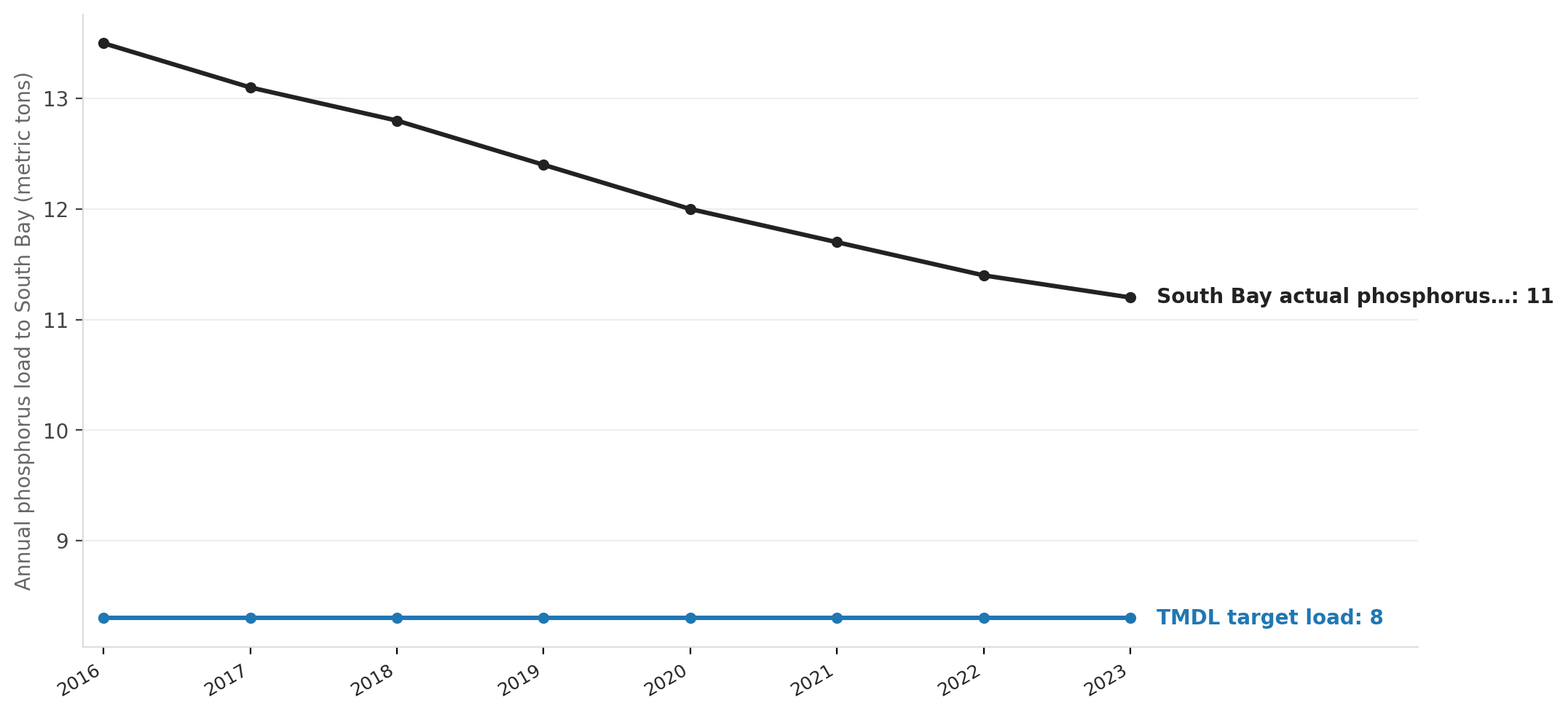
Source: NationGraph.
Restoring stream channels and rebuilding wetlands along them slows water down, captures sediment and filters nutrients before they reach larger waterways. In the Poultney watershed, a working agricultural landscape of dairy farms and hayfields, streambank erosion and legacy channelization have been significant sources of the phosphorus that ends up in South Bay.
After catastrophic flooding across Vermont in July 2023 and again in July 2024, that water-quality work has taken on a second purpose. Reconnecting streams to their floodplains and restoring wetlands buffers downstream communities from the kind of destructive flood surges that reshaped the state's thinking about river management. Vermont is giving other Champlain tributaries their floodplains back through similar projects funded by the state's Clean Water Initiative.
The Poultney Mettowee NRCD is one of 14 quasi-governmental conservation districts across Vermont that have become the primary on-the-ground implementers of this restoration work, channeling state and federal dollars into individual projects where willing landowners and local expertise make delivery possible.
The specific tributary, project budget and full scope of work are detailed in the RFP. Contractor selection will determine how quickly the project moves toward construction.