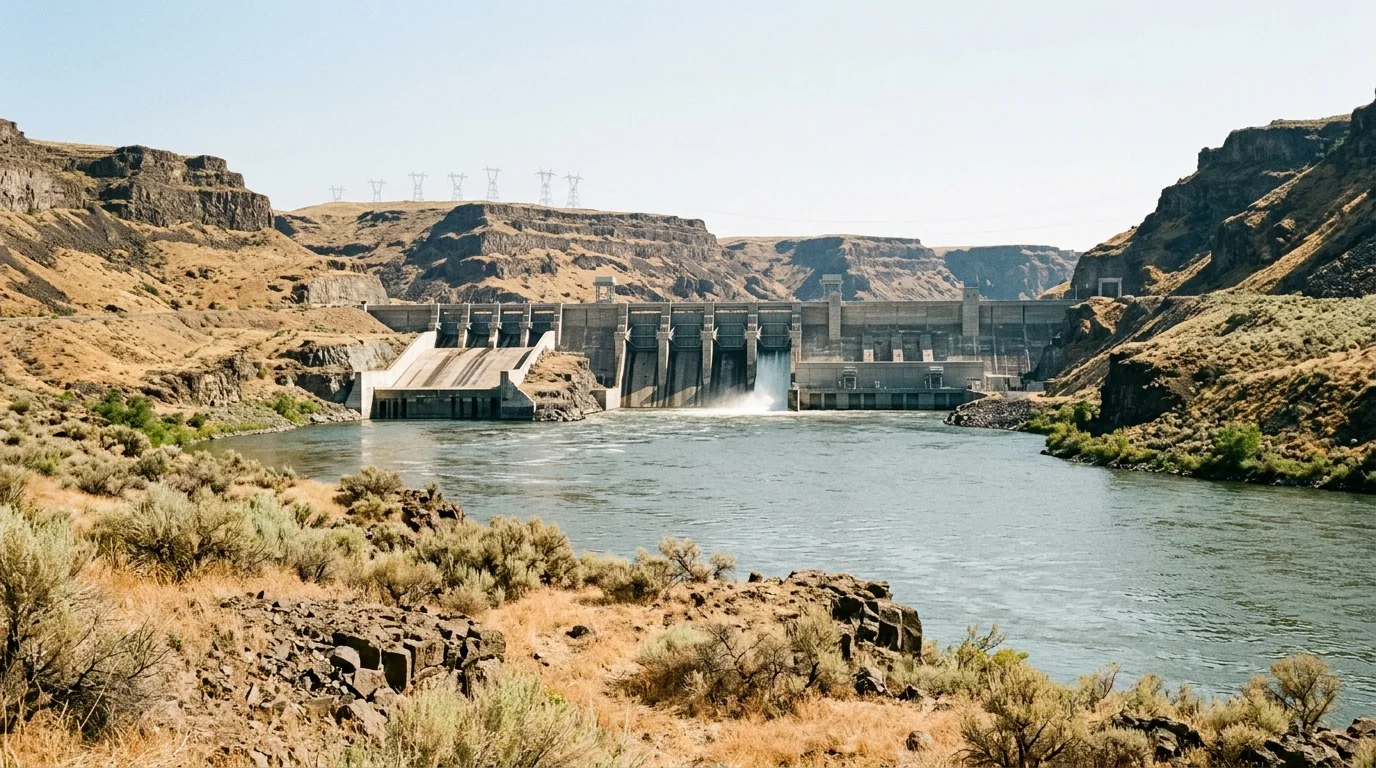
Washington state is moving to answer one of the Pacific Northwest's most consequential energy questions: can the region actually replace the electricity generated by the four lower Snake River dams, and if so, how?
The state Department of Commerce is seeking a contractor to study what combination of solar, wind, batteries, transmission upgrades, and efficiency programs could replace roughly 1,000 average megawatts of carbon-free hydropower currently produced by Ice Harbor, Lower Monumental, Little Goose, and Lower Granite dams on the Snake River in eastern Washington. That output represents about 8% of the Bonneville Power Administration's total hydro generation.
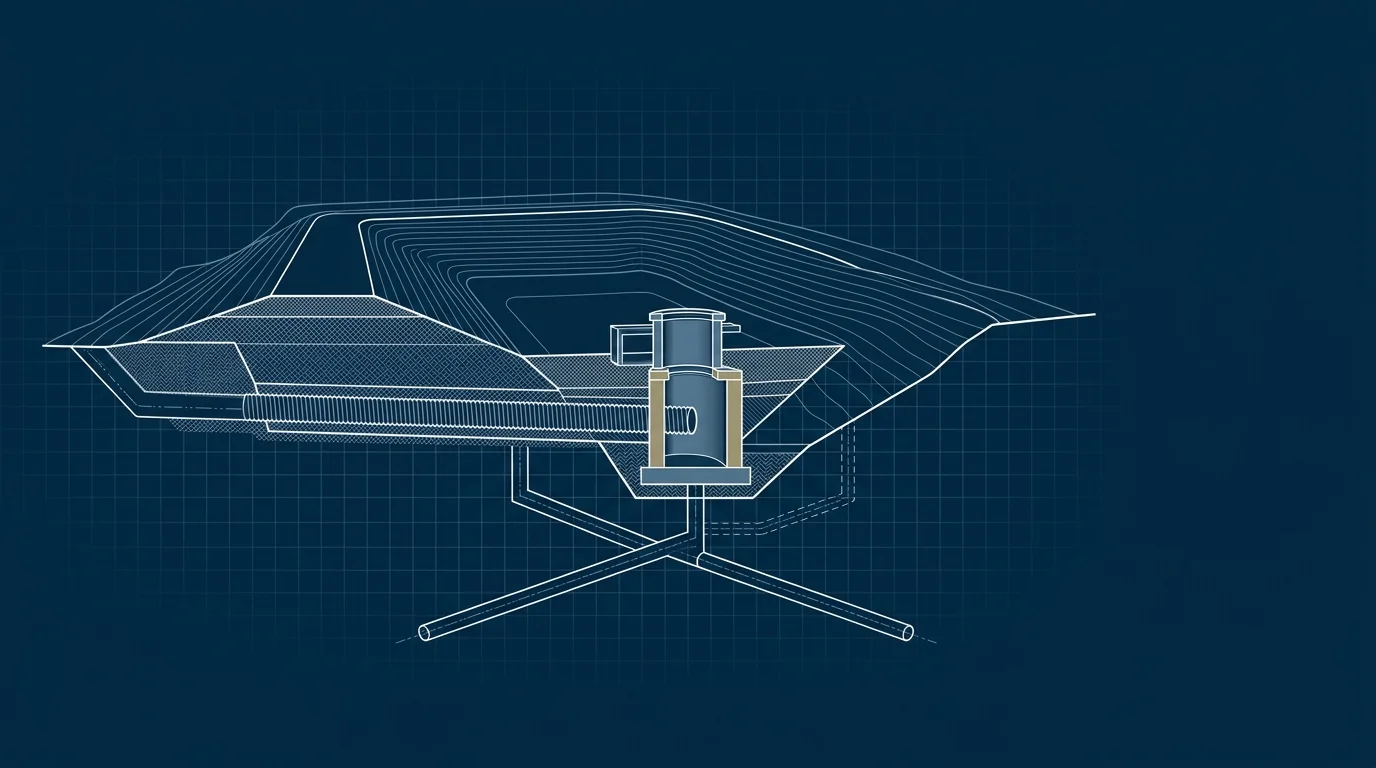
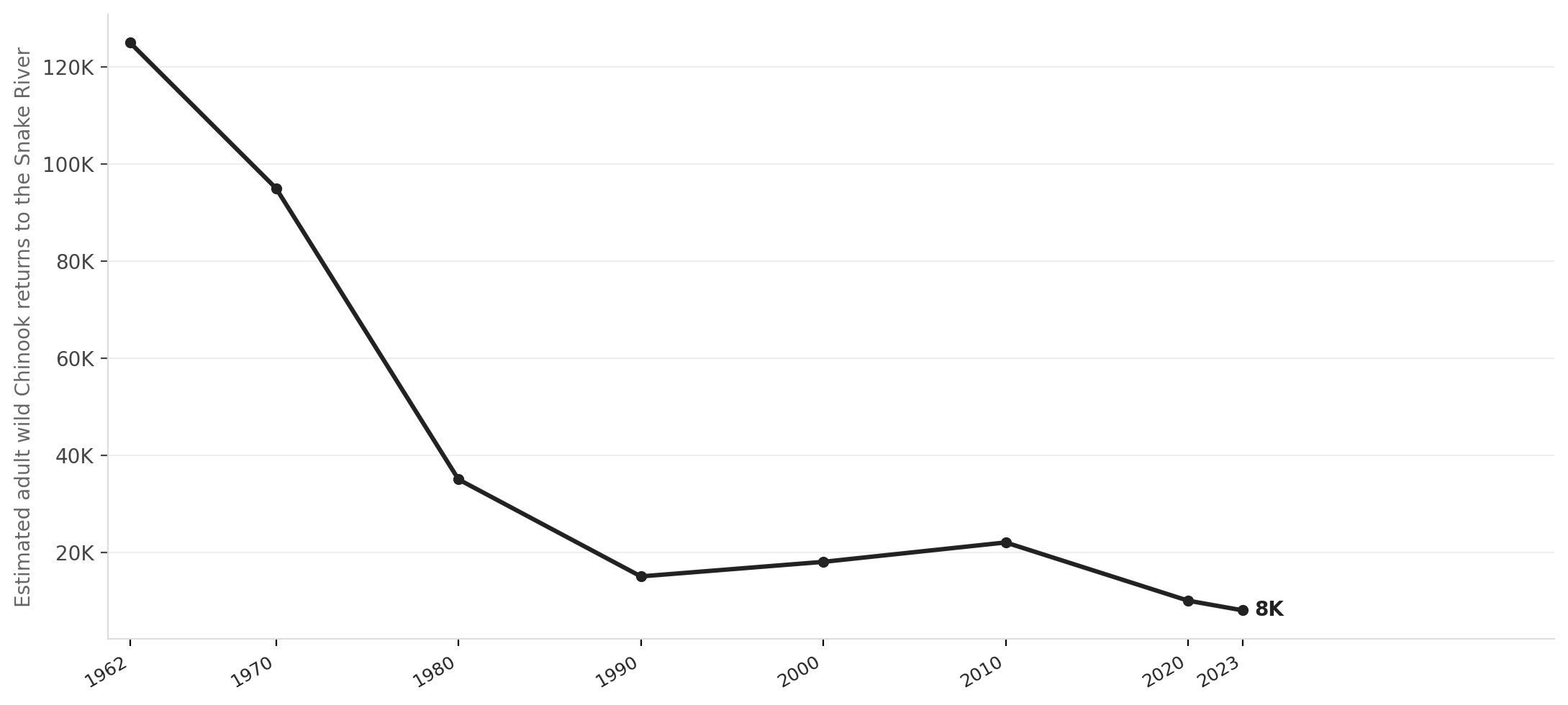
The dams have sat at the center of an environmental and economic standoff for decades. Built by the Army Corps of Engineers between 1962 and 1975, they supply clean power and turned Lewiston, Idaho into an inland seaport, enabling barge shipments of wheat and other crops from eastern Washington and Idaho. But they also sit directly on the migration routes of Snake River salmon and steelhead runs that have declined more than 90% since construction. Four of those runs are listed as endangered or threatened under the Endangered Species Act, and tribes including the Nez Perce, Yakama, Umatilla, and Warm Springs have long argued that breaching the dams is the only path to honoring treaty fishing rights and preventing extinction.
Source: NationGraph.
A 2022 report from Sen. Patty Murray and then-Gov. Jay Inslee concluded breaching is necessary for salmon recovery, but only feasible once the dams' services are replaced. In late 2023, the Biden administration signed an agreement with tribes and states committing the federal government to help develop replacement resources. The Trump administration pulled back from parts of that agreement in 2025, leaving Washington to pursue its piece of the plan on its own.
The timing adds pressure. Washington's Clean Energy Transformation Act requires a 100% carbon-free electricity grid by 2045, meaning any replacement for the dams must be clean. The state's grid is simultaneously absorbing surging demand from data centers concentrated around Quincy and Moses Lake, accelerating electrification, and the coming retirement of the Centralia coal plant, making the math of replacing 1,000 megawatts considerably harder than it would have been a decade ago.
The politics remain sharply divided. Western Washington Democrats have acknowledged breaching may be necessary; Eastern Washington Republicans, wheat farmers, and port operators in Lewiston, Clarkston, and Pasco remain fiercely opposed, citing economic harm to rural communities that depend on river barge transport.
The Commerce study is meant to give policymakers concrete answers rather than competing projections. What emerges could define whether dam removal stays a distant aspiration or becomes a near-term policy target.