Tweed New Haven Airport, the small Connecticut airfield that has spent decades mired in legal restrictions and community conflict, is moving forward with a transformational new terminal, backed by $4 million in federal funding for the project's foundation work.
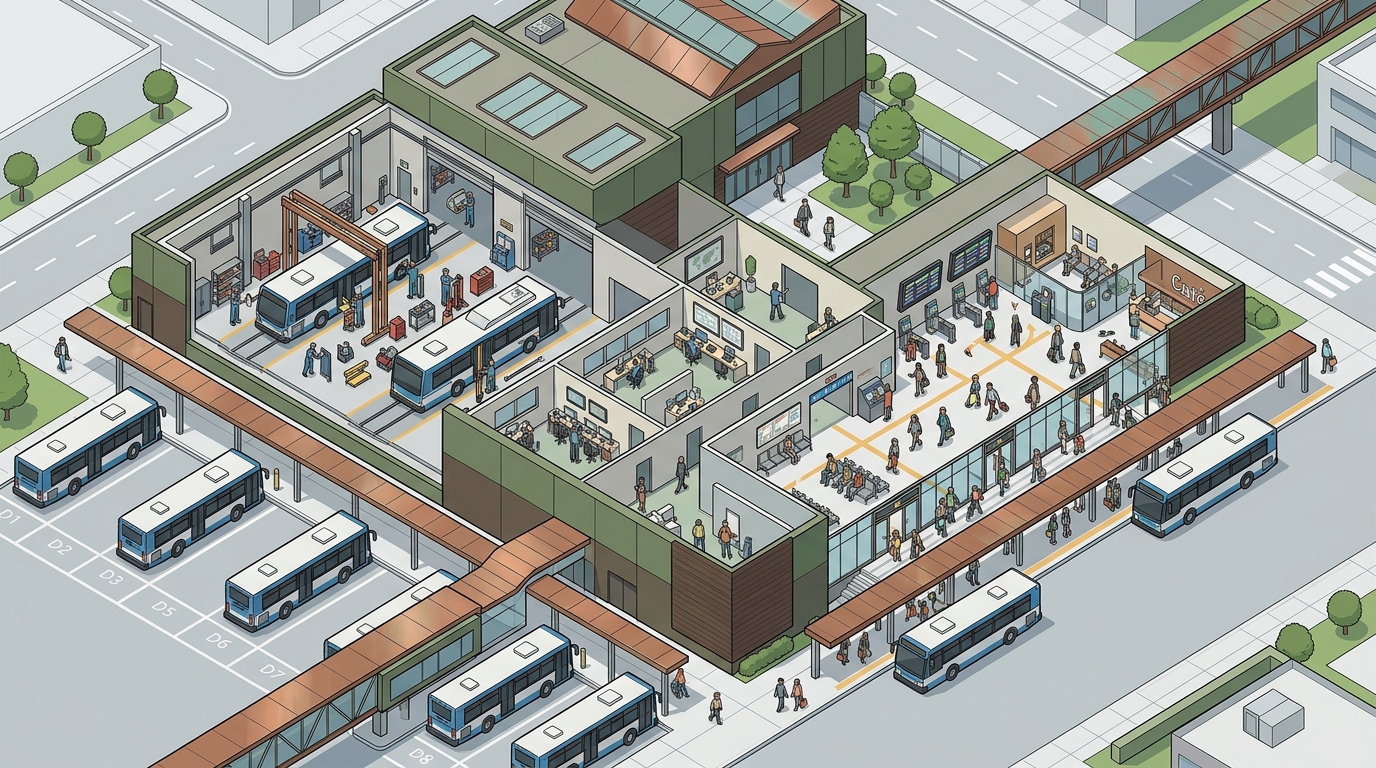
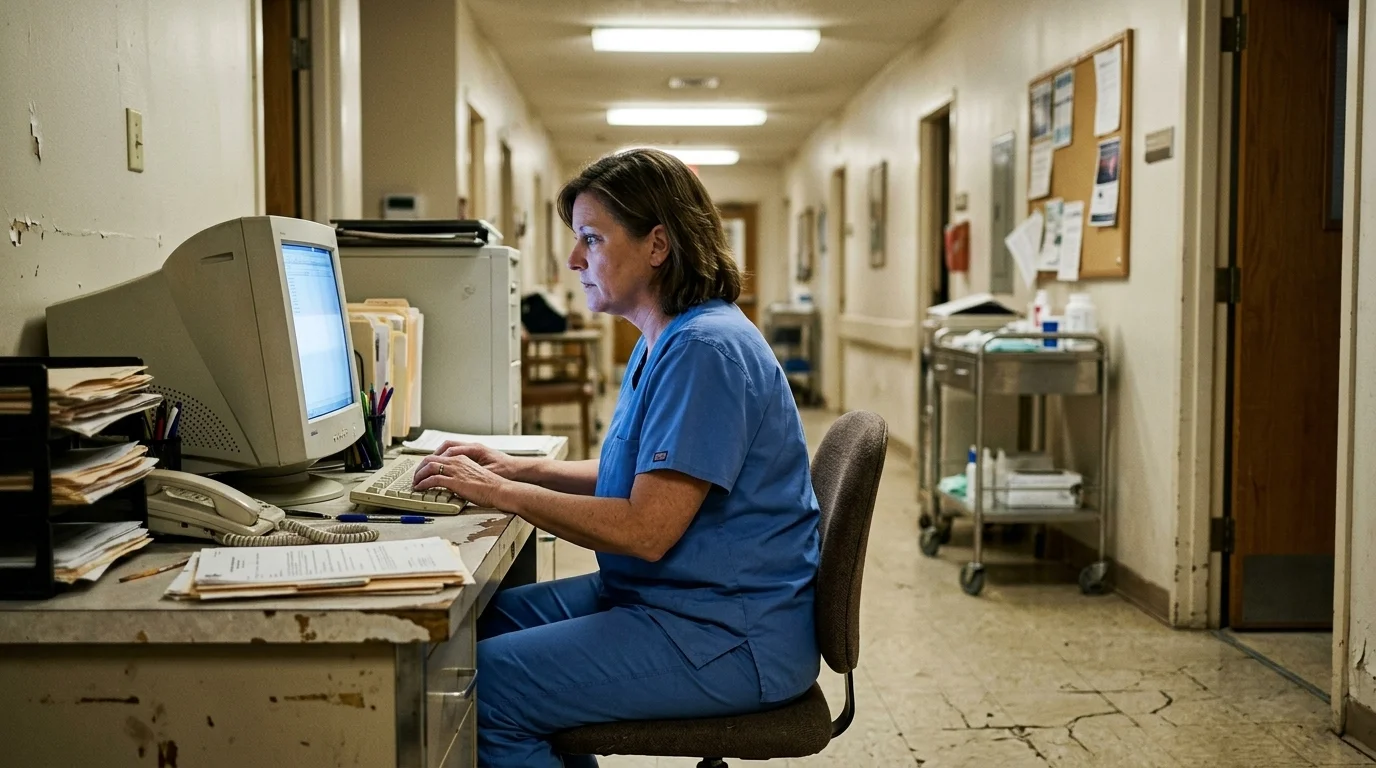
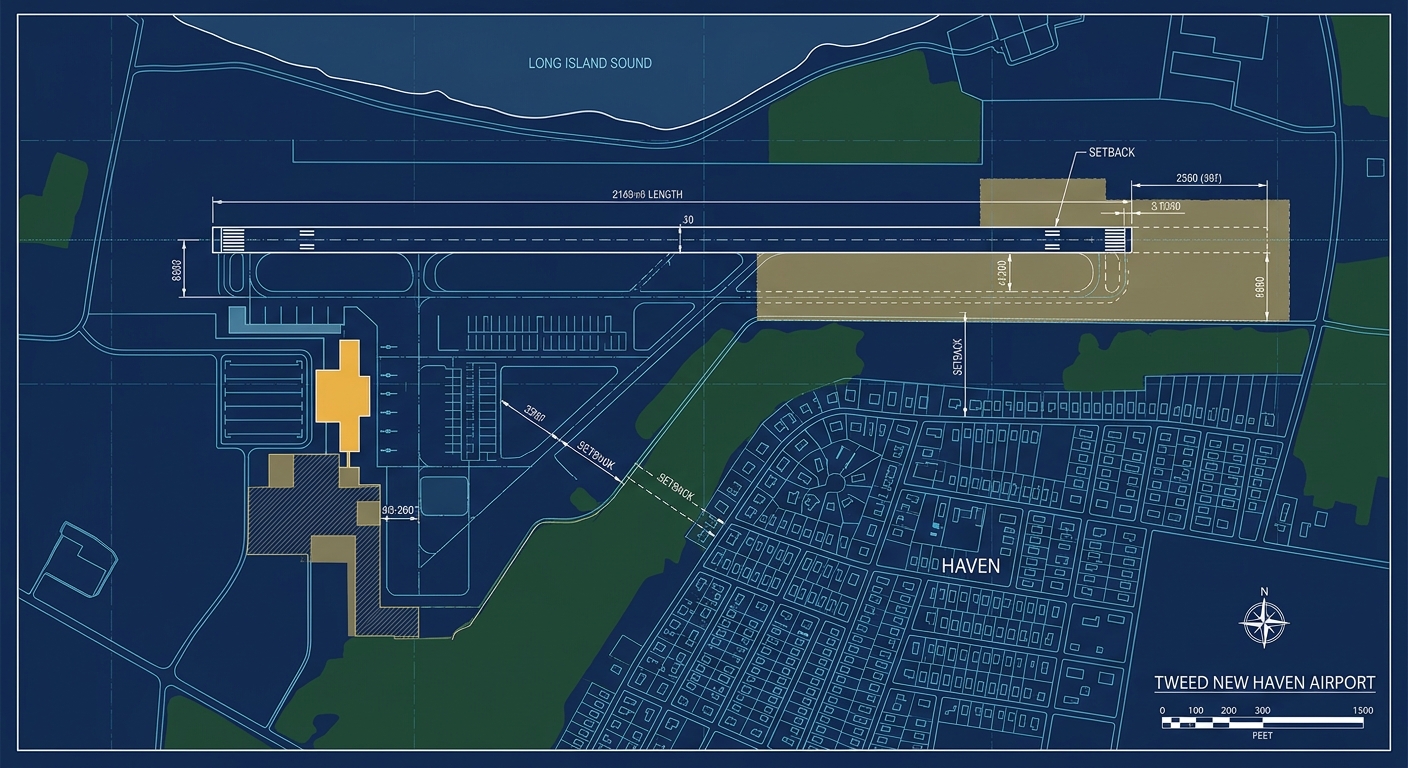
The grant, awarded through the FAA's Airport Terminal Program, covers Phase 2 of construction: the foundation piles for a new 81,568-square-foot terminal with four gates. The existing terminal is a cramped, dated facility that reflects the airport's long-stunted growth. The new building is designed to accommodate far more passengers and aircraft operations, a dramatic step up for an airport that until recently had virtually no scheduled commercial service.
Tweed sits on the New Haven-East Haven border in a metro area of roughly 600,000 people, including Yale University. For decades, southern Connecticut residents drove 80 to 90 minutes to Bradley International in Hartford or to New York-area airports because Tweed couldn't compete. A 1983 Connecticut law capping its runway at 5,600 feet, passed in response to noise complaints from East Haven, kept larger commercial jets away and made the airport commercially marginal for forty years.
That changed in 2022, when Connecticut's Democratic-controlled legislature voted to repeal the runway cap, allowing an extension to roughly 6,635 feet. Governor Ned Lamont signed the bill. Private operator Avports, which signed a 43-year lease with the Tweed New Haven Airport Authority around 2021, has been driving the expansion alongside Avelo Airlines, a low-cost carrier that began offering nonstop routes from Tweed in late 2021 and has since brought hundreds of thousands of passengers through the airport.
The project has not been without controversy. East Haven residents and environmental groups have filed lawsuits challenging the expansion, arguing that environmental reviews were inadequate and that the working-class neighborhoods closest to the airport bear a disproportionate share of noise and pollution.
The federal funding comes from the Bipartisan Infrastructure Law, which created the first dedicated federal funding stream for airport terminals. Previously, FAA grants covered runways and safety infrastructure but largely excluded terminal buildings, leaving them to airlines and local authorities.
The full terminal project is expected to cost well over $100 million. With foundation work now funded, construction sequencing and the outcome of ongoing legal challenges will shape how quickly the new terminal takes shape.