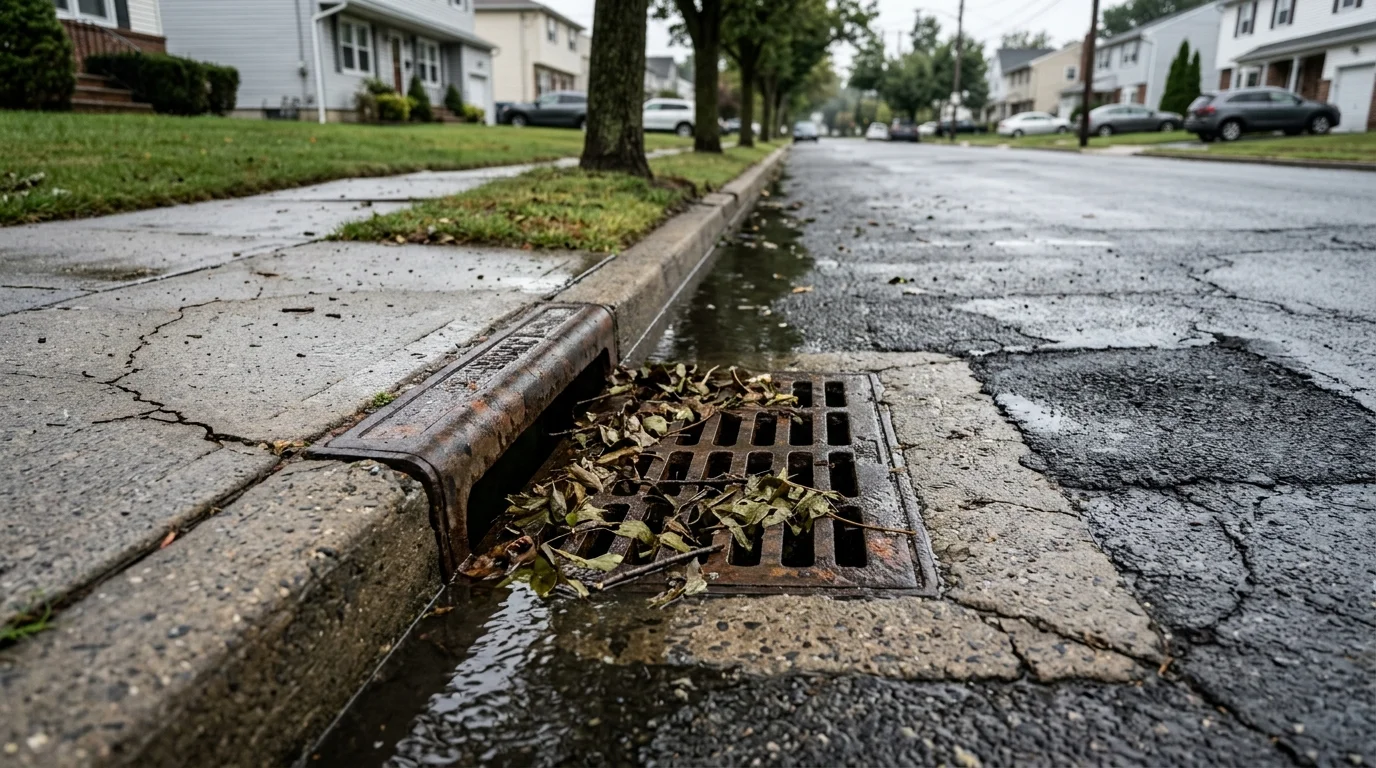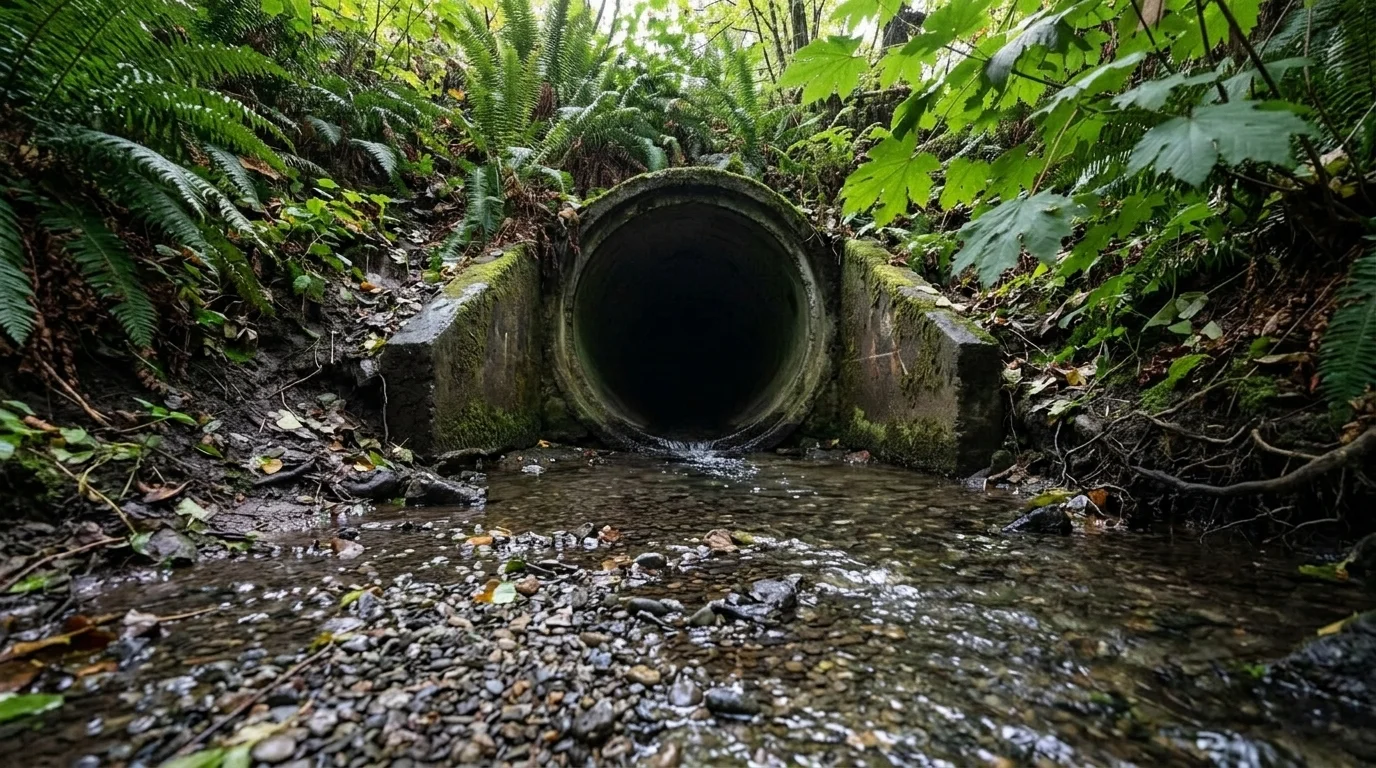
A culvert running under 45th Avenue SW in West Seattle has long stood in the way of salmon trying to reach spawning grounds in the small urban streams draining toward Puget Sound. Seattle is now moving to fix it, with a $30.25 million project that will replace the aging pipe and restore the stream habitat around it.
The work is part of a decades-long reckoning with infrastructure built when piping and culverting creeks was standard practice. West Seattle's ravines, fed by streams like Longfellow and Fauntleroy Creek, historically supported coho and cutthroat salmon. But more than a century of culverts, stormwater pipes and urban development have degraded those runs to the point that state and federal regulators now treat urban stream barriers as a genuine conservation crisis.
The stakes go well beyond one pipe. Puget Sound Chinook salmon were listed as threatened under the Endangered Species Act in 1999. The Southern Resident orcas that depend on them followed in 2005. And in 2013, a federal judge ordered Washington state to systematically remove hundreds of fish-blocking culverts under state roads, finding they violated tribal treaty fishing rights guaranteed in the Stevens Treaties of the 1850s. The U.S. Supreme Court upheld that ruling in 2018, locking in a 2030 deadline and setting off a cascade of parallel action by cities and counties whose culverts create their own bottlenecks.
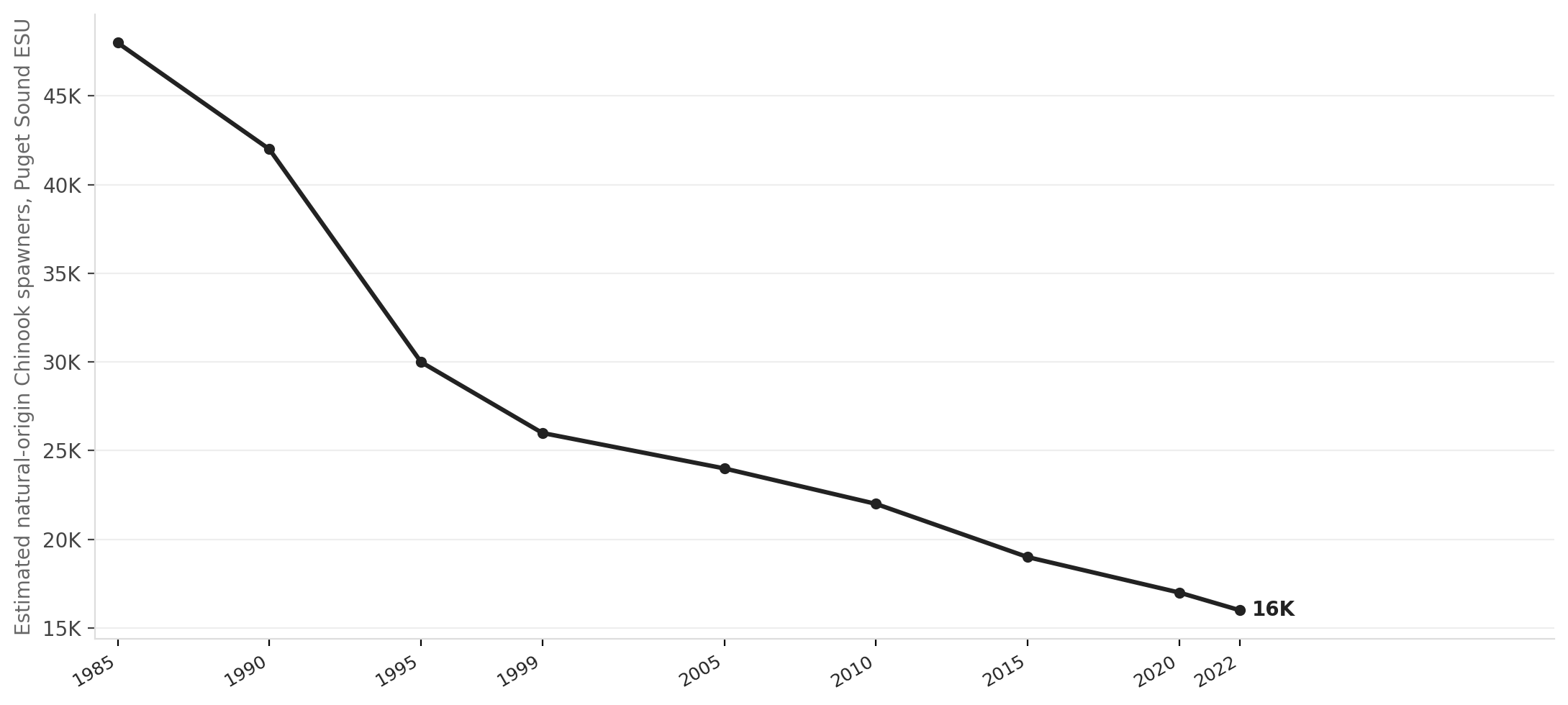
Source: NationGraph.
Replacing one barrier is largely pointless if others remain upstream or downstream. That logic is why Seattle has been working through its own culvert inventory, and why this project doesn't just swap in a new pipe. It combines the replacement with habitat restoration, the approach now required to qualify for state and federal funding that specifically demands ecological improvement, not just like-for-like repairs.
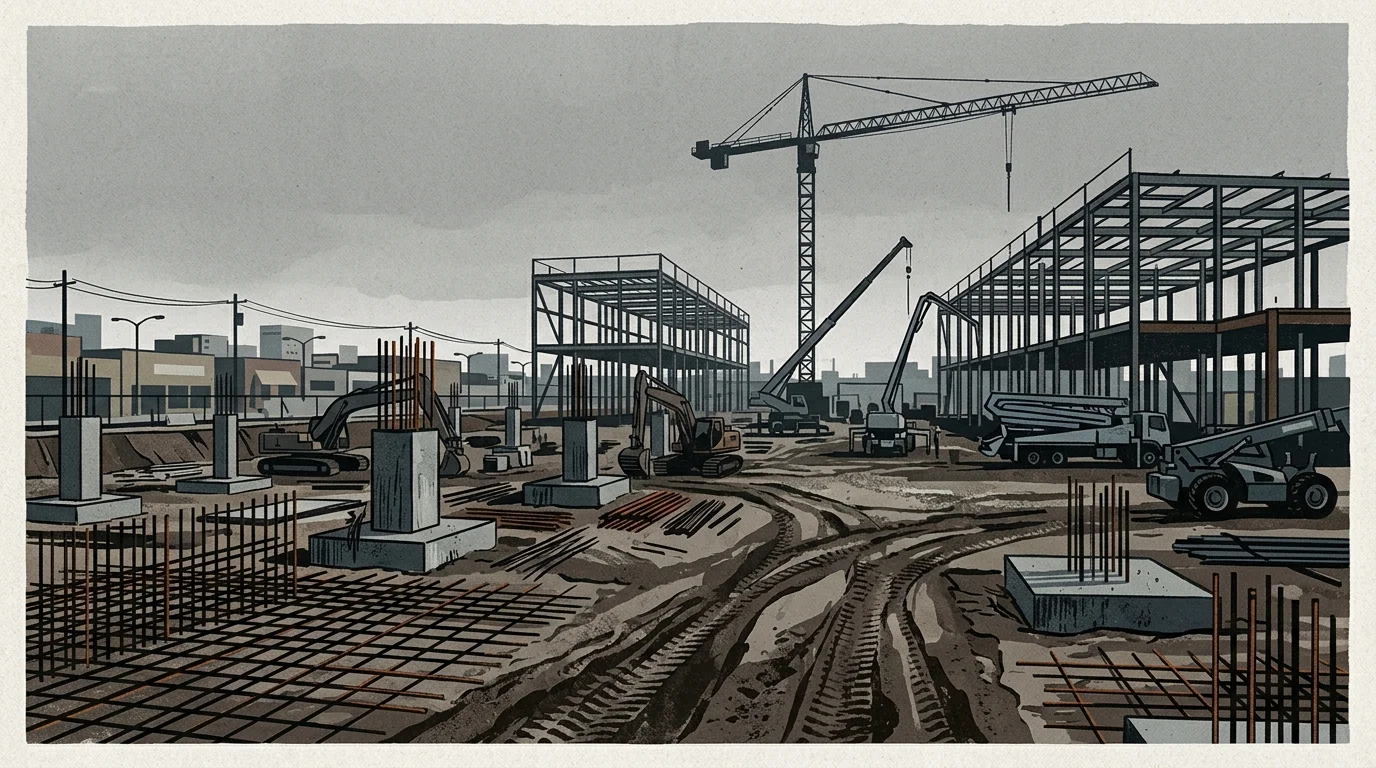
The price tag reflects how complicated that work has become. At $30.25 million for a single culvert, the project involves soldier pile walls, dewatering, bypass pumping to keep stream flow moving during construction, and the kind of geotechnical and hydrogeological work that comes with building in a steep West Seattle ravine. Prime contractor Shimmick Construction Company, Inc., a California-based civil infrastructure firm, is now soliciting subcontractors for the job, with a 20% participation goal set for women- and minority-owned businesses. The full project listing is posted through Washington's Office of Minority and Women's Business Enterprises.
For West Seattle residents, the construction will bring the added headache of work on 45th Ave SW, a key north-south arterial in a neighborhood still sensitive to traffic disruption after the 2020-2022 West Seattle Bridge closure.
Subcontractor bids are due Aug. 12, 2026. Whether the finished work will meaningfully improve salmon returns to these small urban streams is a question scientists and tribal fisheries managers will be watching closely.