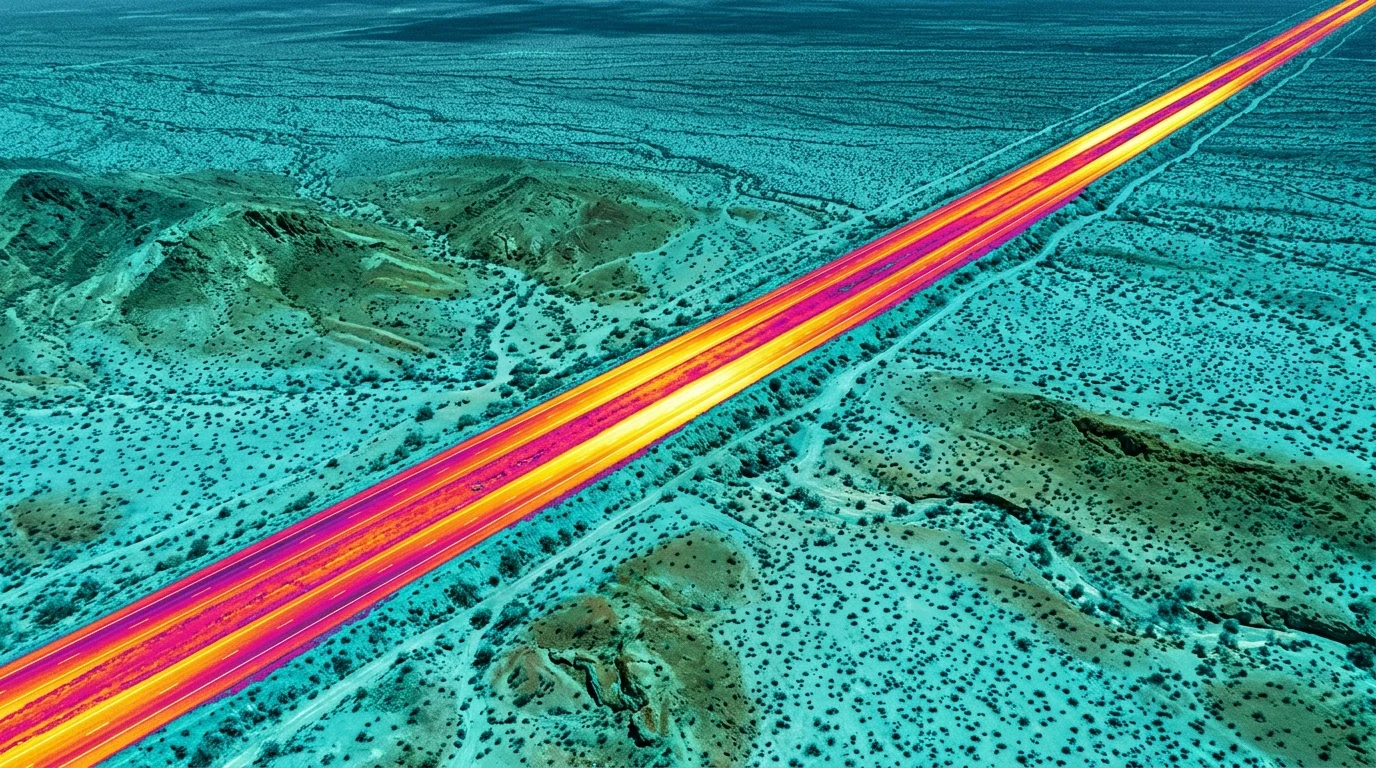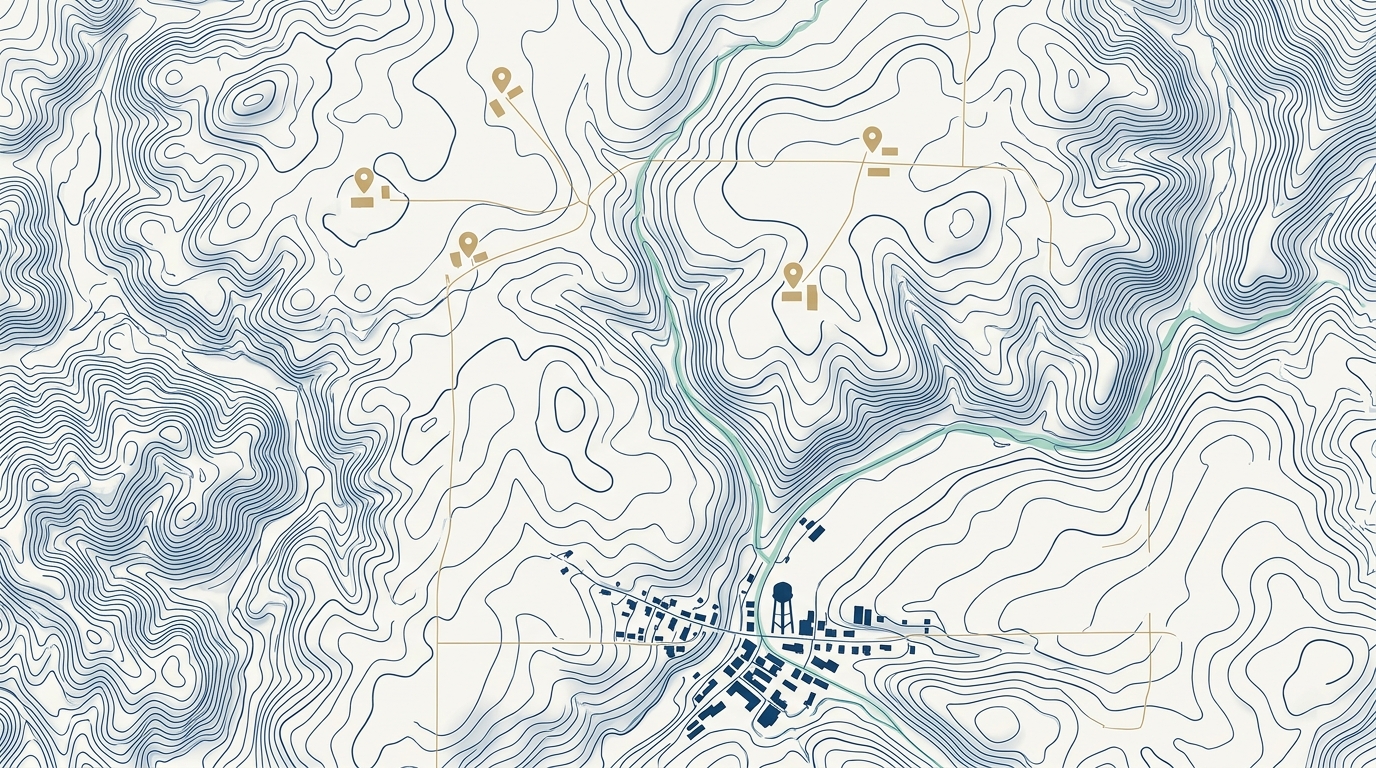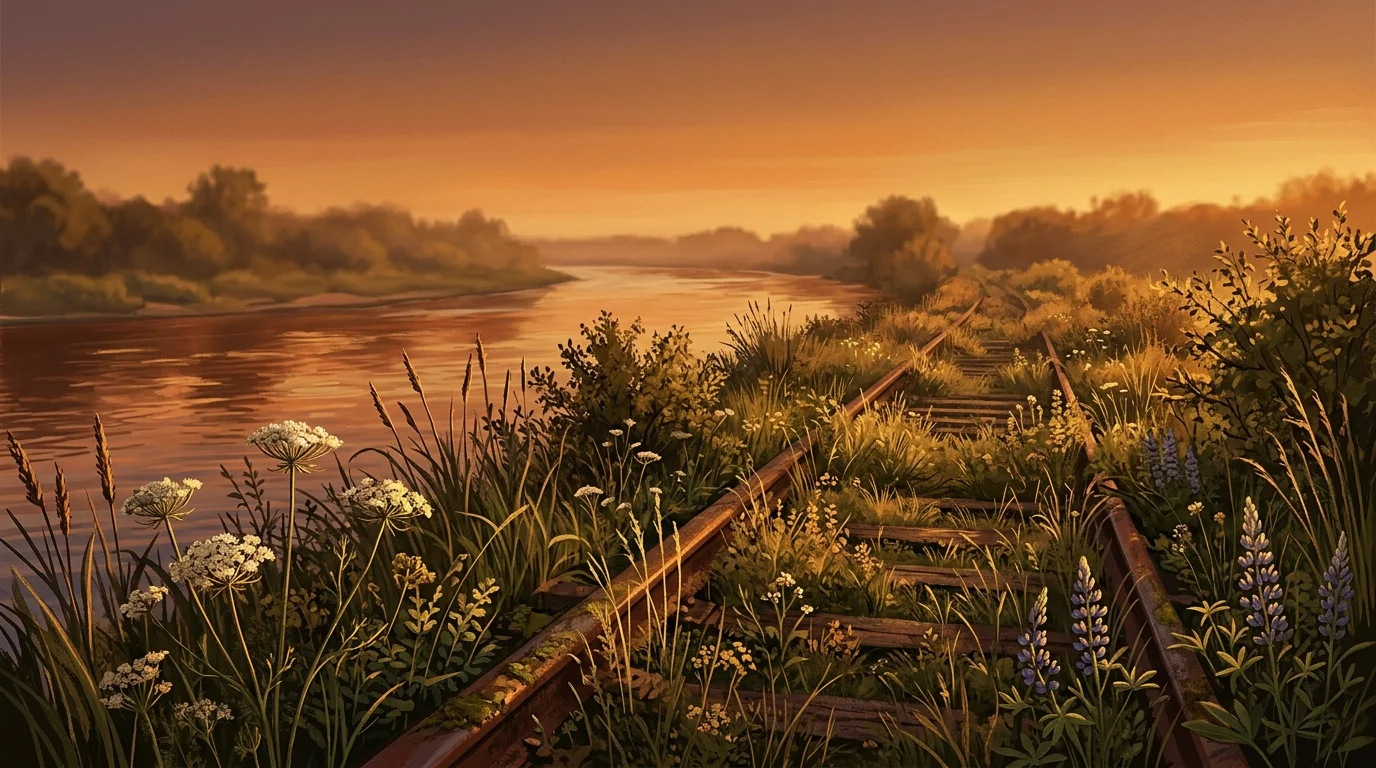
Rockford, Illinois is moving to reclaim a stretch of abandoned rail corridor along the Rock River, turning a relic of the city's collapsed industrial era into public green space while shoring up a riverbank that has been losing ground to erosion.
The city is seeking contractors for the project, which combines two scopes of work: stabilizing the deteriorating Rock River shoreline and converting the old rail corridor into a usable trail. Specific funding amounts have not been disclosed in the solicitation.
The Rock River has long been central to Rockford's identity and to its problems. Decades of industrial discharge, agricultural runoff from upstream Wisconsin farms, and urban stormwater have left it impaired under the Clean Water Act. Shoreline erosion has worsened amid a sharp increase in heavy rainfall events across the Midwest in recent decades, accelerating the kind of bank collapse this project aims to address.
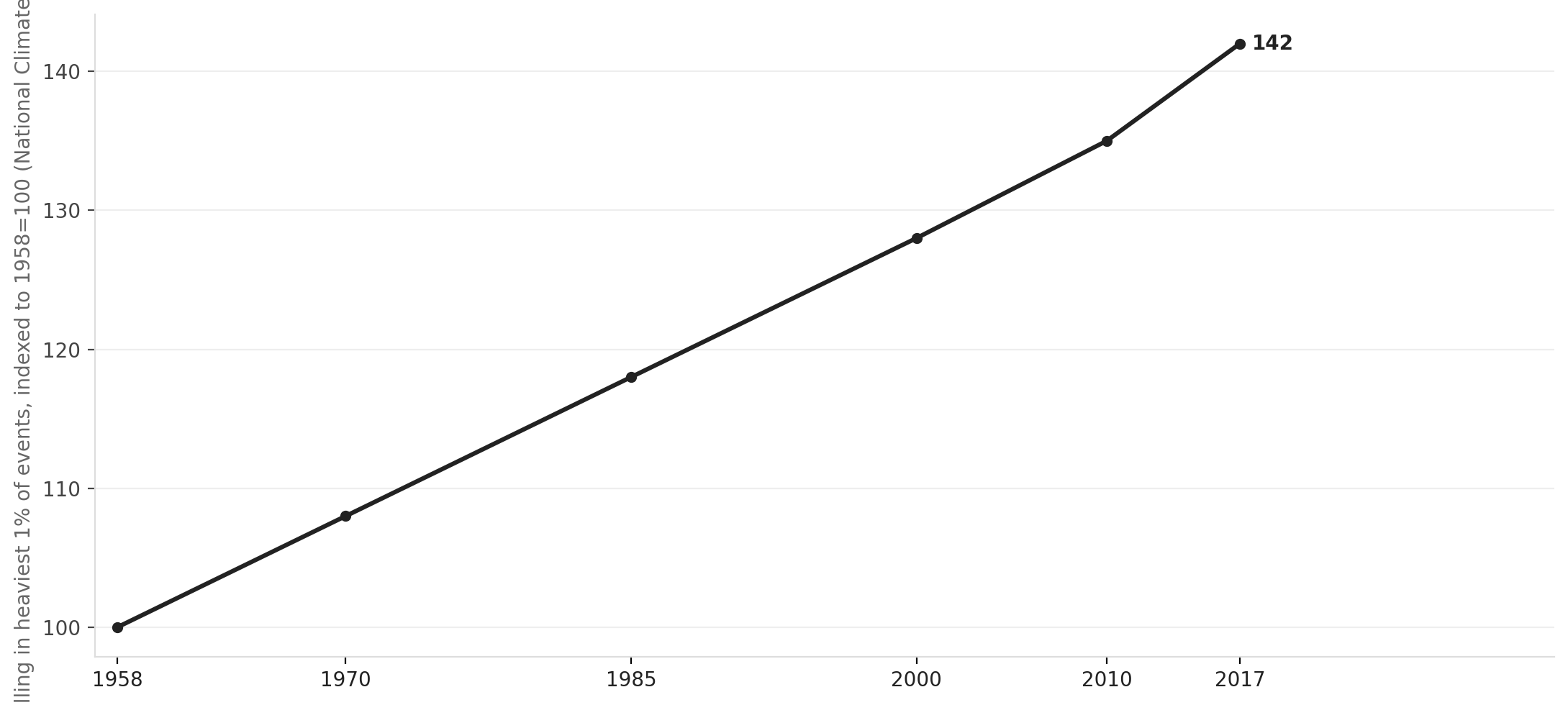
Source: NationGraph.
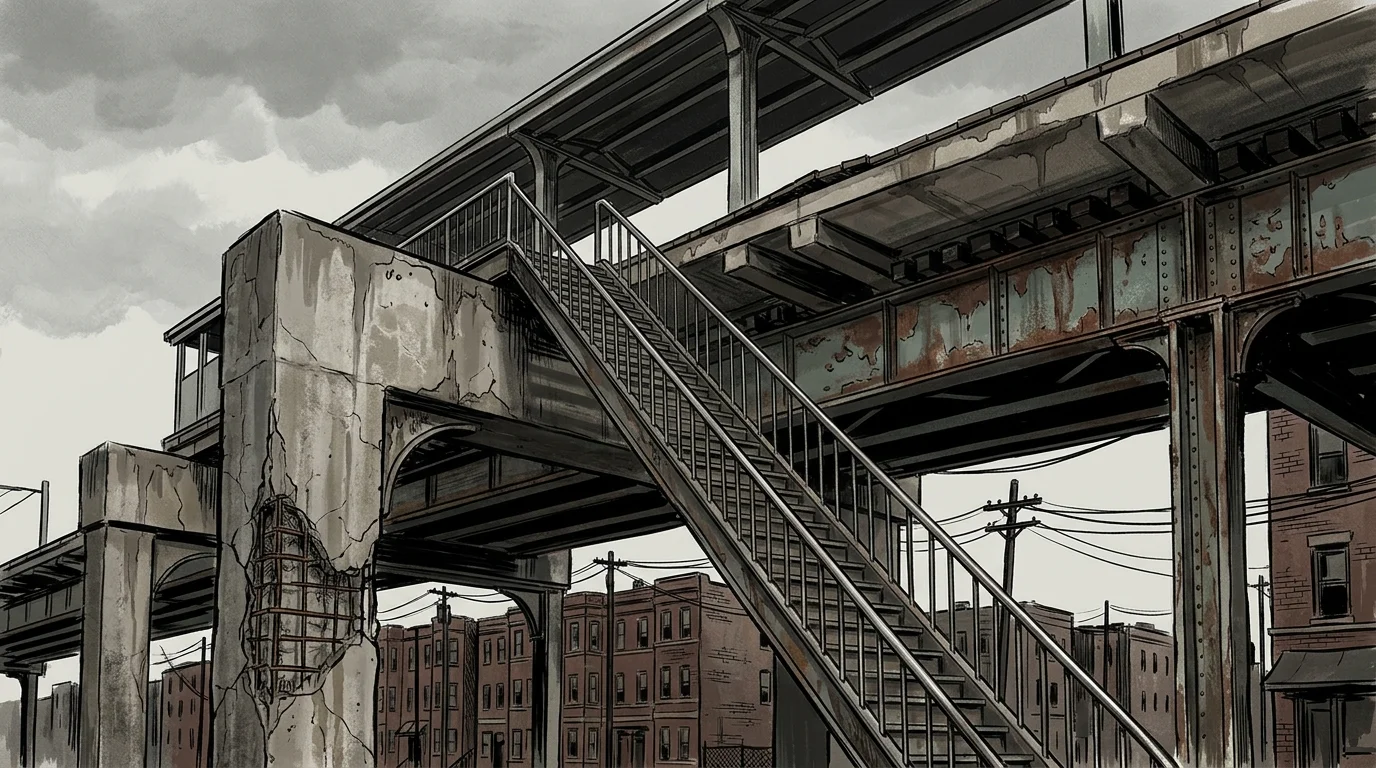
The rail corridor itself is a product of the same industrial decline that reshaped Rockford starting in the 1970s. The city was once a manufacturing powerhouse, built around rail infrastructure serving its furniture, machine tool and fastener industries. When that industry contracted, rail lines were abandoned throughout the region. A 1983 federal law created the legal mechanism to convert those corridors into trails rather than letting them disappear, and the Rails-to-Trails movement has since converted more than 25,000 miles of abandoned track nationwide.
For Rockford, which has roughly 18 to 20 percent of its population living in poverty and a limited local tax base, the riverfront has become a core piece of the city's economic comeback strategy. Investments like the Nicholas Conservatory, Davis Park and the UW Health Sports Factory have been aimed at drawing residents and visitors back to the water. A trail linking to that ecosystem fits squarely within that approach.
Green shoreline stabilization methods, which use native plantings and bioengineering rather than concrete or riprap, have increasingly shown better ecological outcomes and long-term cost performance than traditional approaches. Whether Rockford's project takes that route will become clearer as contractor selection moves forward and project details are made public.