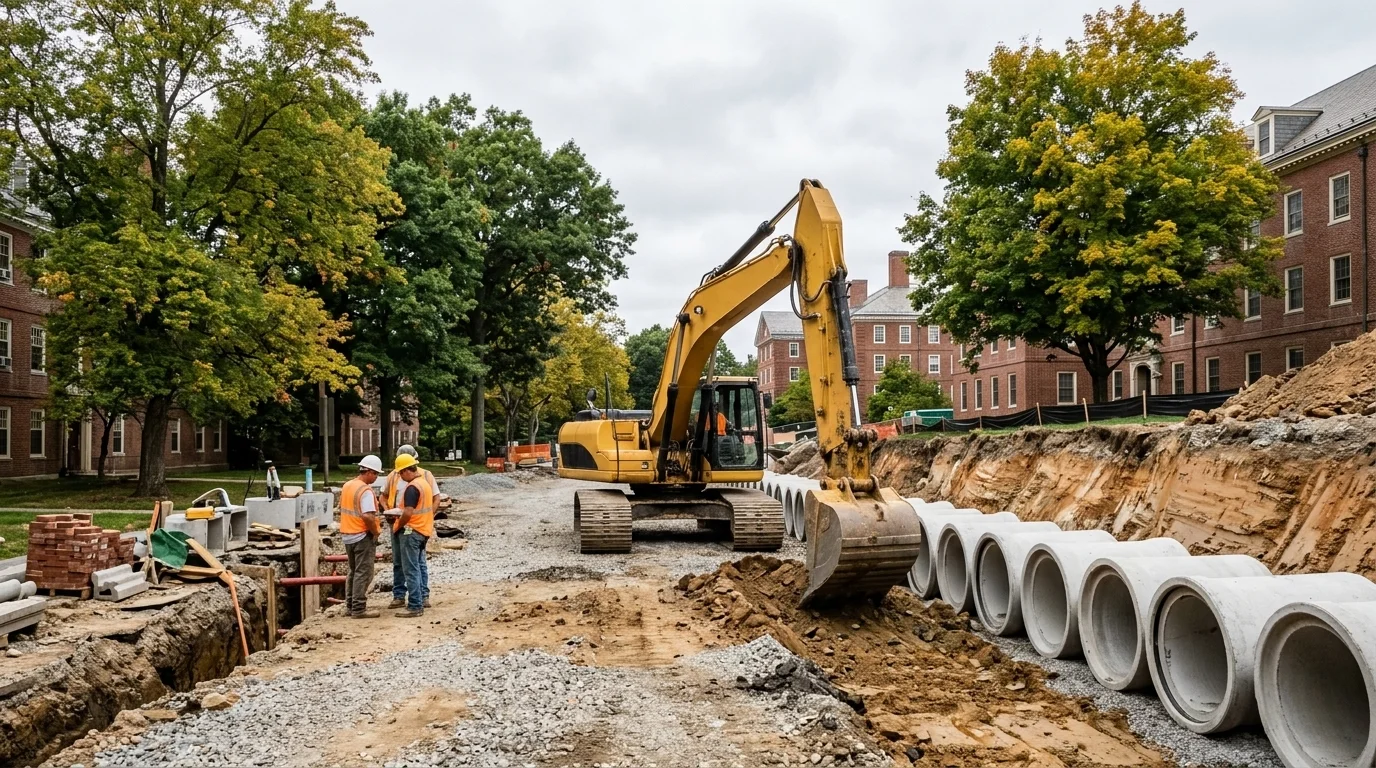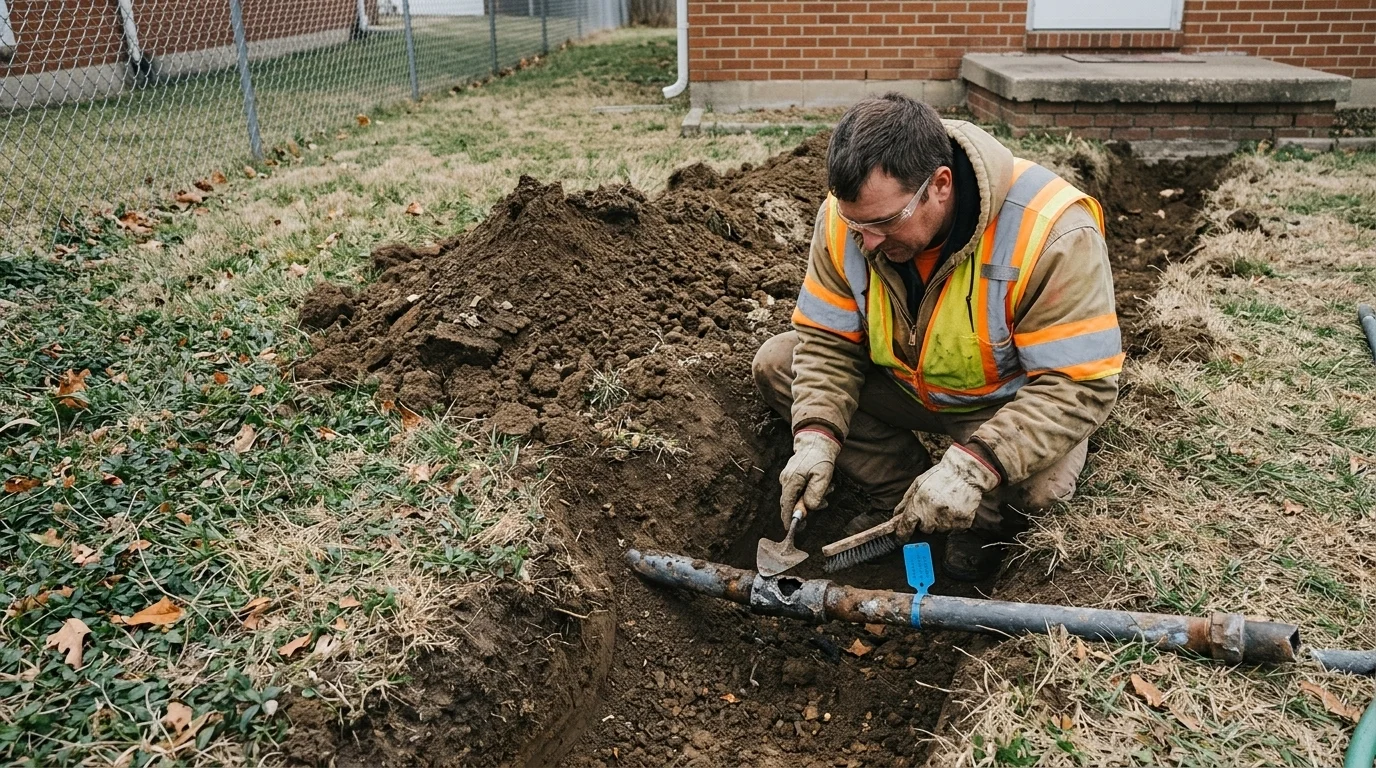
Redford Township, Mich., is moving into the third phase of its effort to remove lead water pipes from homes across the community, continuing a years-long grind through one of the older housing stocks in greater Detroit.
The township's Water Division has posted an RFP for the Phase III project, targeting what the program calls "scattered sites": individual homes identified through a state-mandated inventory rather than a single neighborhood block. The specific number of lines and total project cost have not been disclosed.
The work is part of a state-ordered replacement push that traces directly to the Flint water crisis. After lead contaminated the drinking water of tens of thousands of Flint residents following a 2014 source switch, Michigan enacted the toughest lead pipe law in the country: every water system must inventory its service lines and replace every lead line, at the utility's expense, by roughly 2041. That means an average pace of about 5% of lines per year. No other state has imposed a deadline that aggressive.
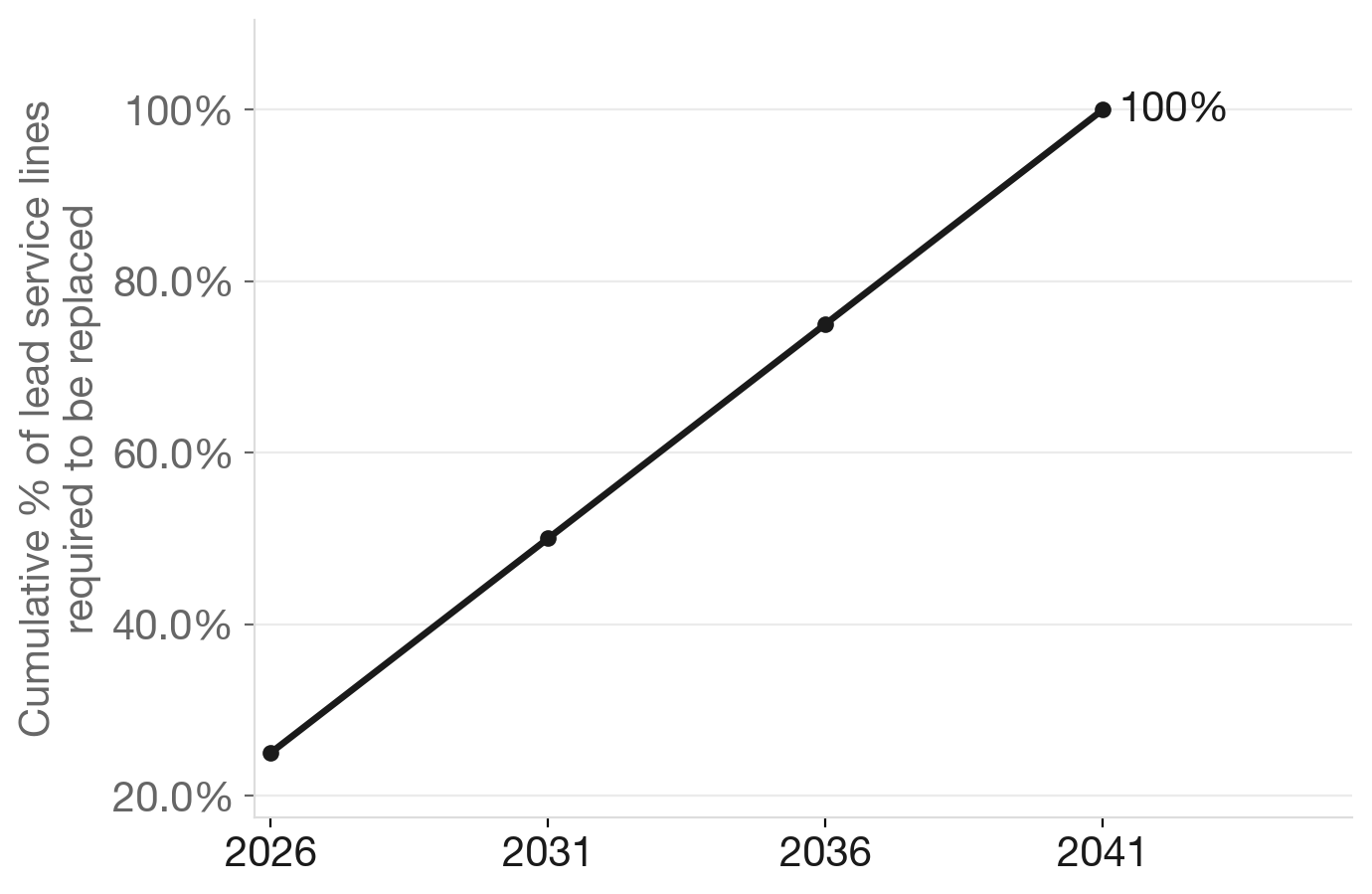
Source: NationGraph.
Federal dollars are helping foot the bill. The 2021 Bipartisan Infrastructure Law set aside $15 billion nationally for lead pipe replacement, distributed through the EPA's Drinking Water State Revolving Fund. Michigan has received hundreds of millions of those dollars, which local systems access as low-interest loans and principal forgiveness.
Redford is a particularly challenging case. The township of about 48,000 residents in western Wayne County was built largely between the 1920s and 1950s, exactly the decades when lead service lines were standard. That means a disproportionately heavy share of its pipes are likely lead compared to newer suburbs. The township buys treated water wholesale from the Great Lakes Water Authority, but the short pipes connecting the street main to each house are the township's own responsibility.
The Phase I, Phase II, Phase III cadence reflects both annual funding cycles and the practical reality of the work: replacements happen in batches as homes are flagged in the inventory, homeowners agree to access, and money lines up. Similar multi-phase efforts are underway across Michigan and the country. Muskegon is pushing through its own older neighborhoods, and Dubuque recently completed its second phase with 210 lines.
In October 2024, the EPA finalized new national rules requiring most water systems to replace all lead lines within 10 years, adding federal urgency to a process Michigan was already running ahead of. Redford's Phase III is one small but concrete piece of that larger national reckoning, a suburb quietly doing the work, house by house, to make good on the promise Flint forced the state to make.