Aurora, Colorado is moving to build a tiny home village for residents experiencing homelessness, a striking policy turn for a city that has spent years pushing back against the housing-first strategies favored by neighboring Denver.
The city is seeking contractors to supply and install modular units for the project, called the Wild Horse Tiny Home Village. The RFP does not specify the number of units, the total budget or the exact site address. NationGraph News has requested those details from Aurora's procurement office.
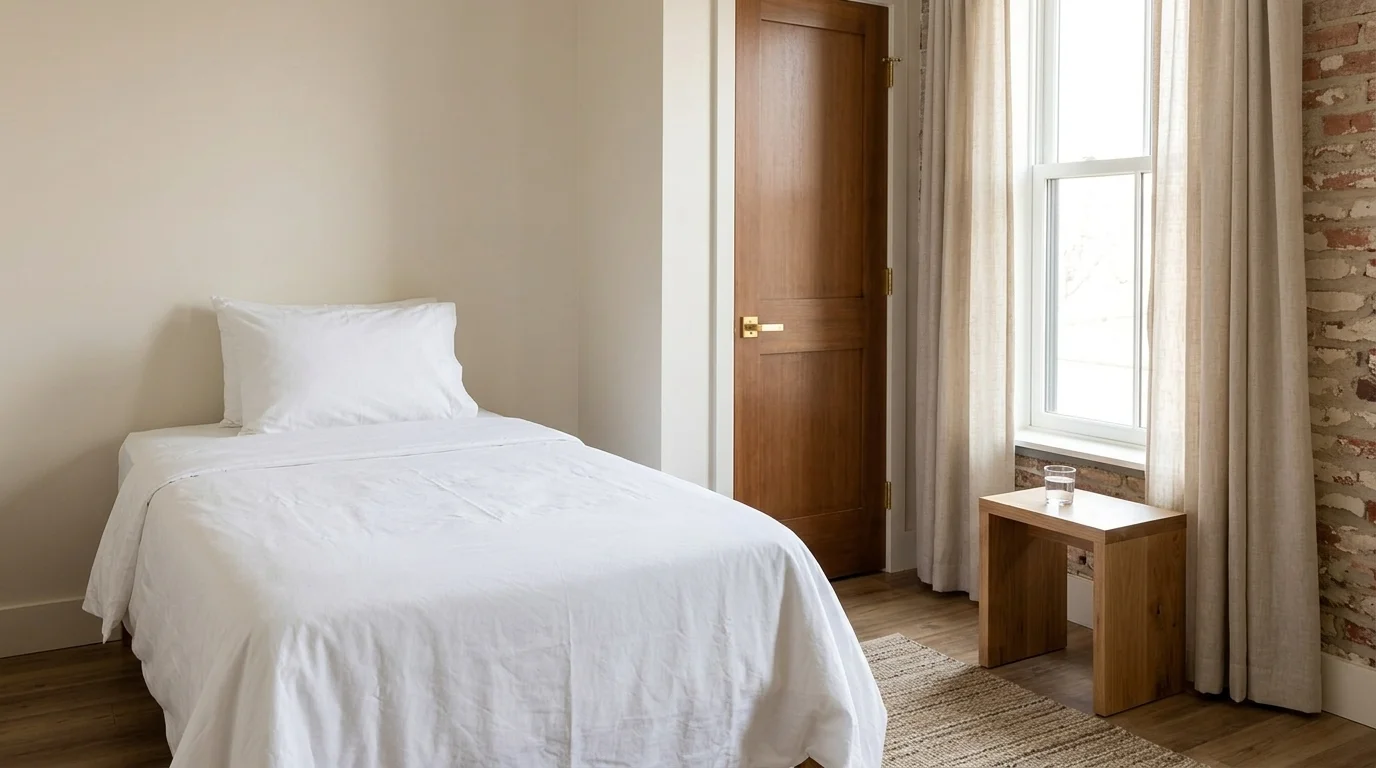
The choice of modular, prefabricated construction is deliberate. Units can be delivered and assembled in months rather than years and typically cost 10 to 20 percent less than traditional site-built structures, making them a faster path to getting people off the street.
Source: NationGraph.
The move represents a meaningful departure for Aurora's conservative-led city government. Mayor Mike Coffman, a Republican and former U.S. Congressman, has long championed a "work first" model requiring sobriety and employment, and has been openly critical of Denver Mayor Mike Johnston's large-scale shelter initiatives, arguing they draw homeless individuals from surrounding areas. The city passed an urban camping ban in 2023 that drew criticism from the ACLU.
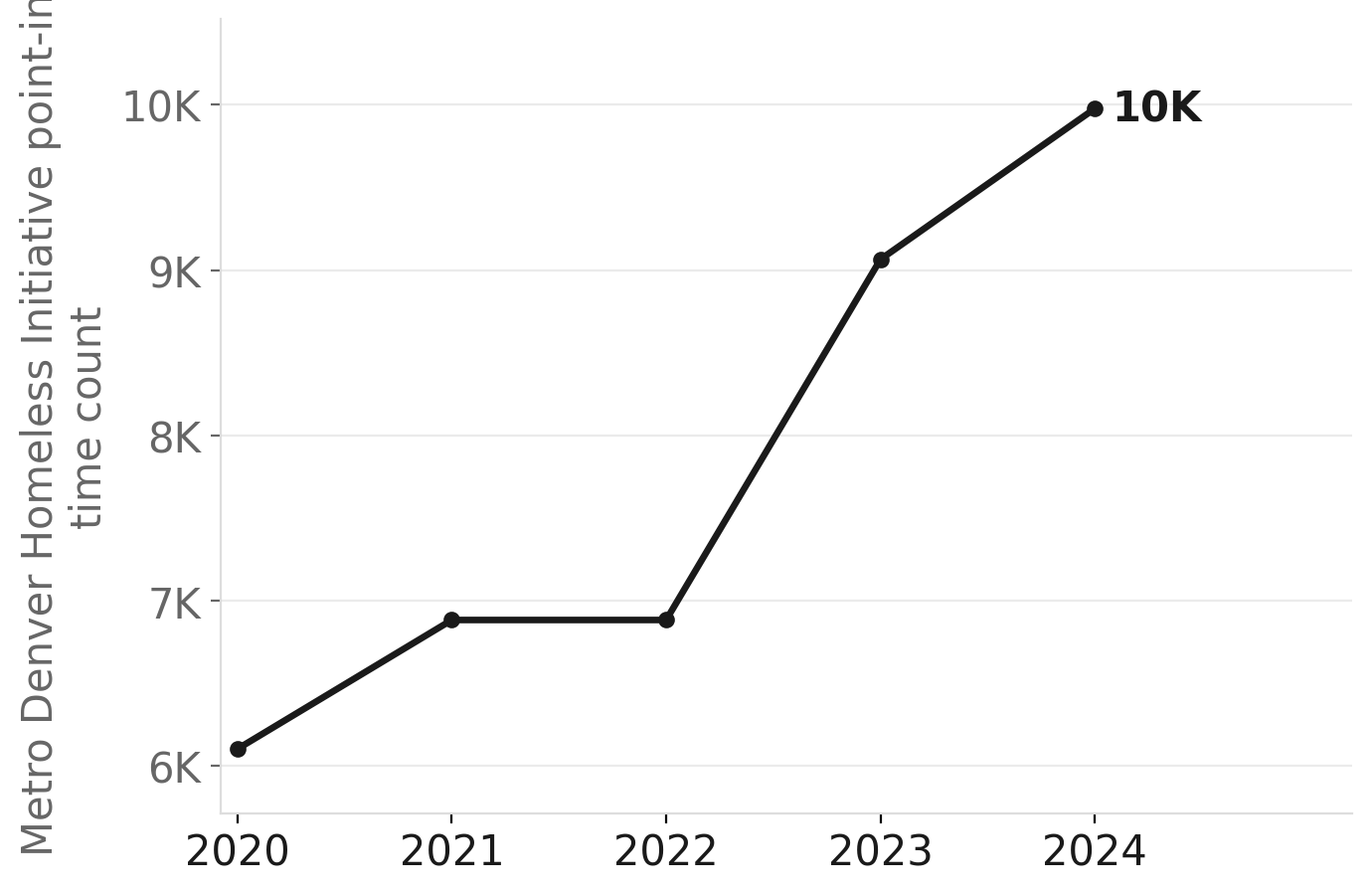
But the pressure to act has grown harder to ignore. Homelessness across the Denver metro area has climbed roughly 30 to 40 percent since 2020, driven by rent increases, the fentanyl crisis and the end of pandemic-era eviction protections. Visible encampments have spread along Colfax Avenue and near the Fitzsimons medical campus in Aurora. A 2024 U.S. Supreme Court ruling in Grants Pass v. Johnson gave cities more legal room to enforce camping bans, but also underscored that enforcement without available shelter alternatives remains constitutionally and politically fraught. State funding tied to Governor Jared Polis's Proposition 123 affordable housing initiative has also given cities financial incentive to add units quickly.
Research supports the model Aurora is now adopting. Studies from the University of Denver's Burnes Center found that people experiencing homelessness accept services at significantly higher rates when offered private, lockable units rather than shared shelter beds. Denver's Colorado Village Collaborative has operated similar villages since 2020, and cities including Longmont, Boulder and Colorado Springs have followed.
The site name, Wild Horse, likely refers to a neighborhood or open space in southeast Aurora, though exact placement will matter politically. Past shelter proposals in Aurora have faced neighborhood opposition, and siting decisions for the village have not yet been made public.
Aurora is Colorado's third-largest city, with roughly 400,000 residents spread across three counties. The contractor selection process is now underway.