Clemson University and the University of South Carolina each issued formal RFPs this spring to hire outside firms to certify their own cybersecurity programs. A few miles away in Greenville County, a $41 million construction project is underway to train the technicians who will eventually do that certification work for manufacturers across the Upstate. Both moves trace back to the same federal rule: CMMC 2.0, whose Phase 2 enforcement begins November 10, 2026.
That deadline is producing a concentrated burst of procurement activity unlike anything the state has seen in this space. South Carolina generated roughly five to six distinct cybersecurity procurement actions between March and June 2026, according to state contracting records, clustering almost entirely in the second quarter and sharing a common urgency: any institution handling Controlled Unclassified Information for the Defense Department must either hold a third-party Level 2 certification by a C3PAO assessor or risk losing contract eligibility. The 48 CFR acquisition rule that made CMMC enforceable in new solicitations took effect November 10, 2025, giving institutions a 12-month window that is already more than half gone.
Clemson's RFP for CMMC certification and a separate procurement for a third-party cyber risk rating tool both landed in March and April. USC followed in April with its own C3PAO certification RFP. Jasper County, a rural jurisdiction near the Georgia border, issued a 24/7 cybersecurity monitoring and patch management RFP in June, a sign that the compliance pressure is no longer confined to research universities. It has reached county governments.
Source: NationGraph.
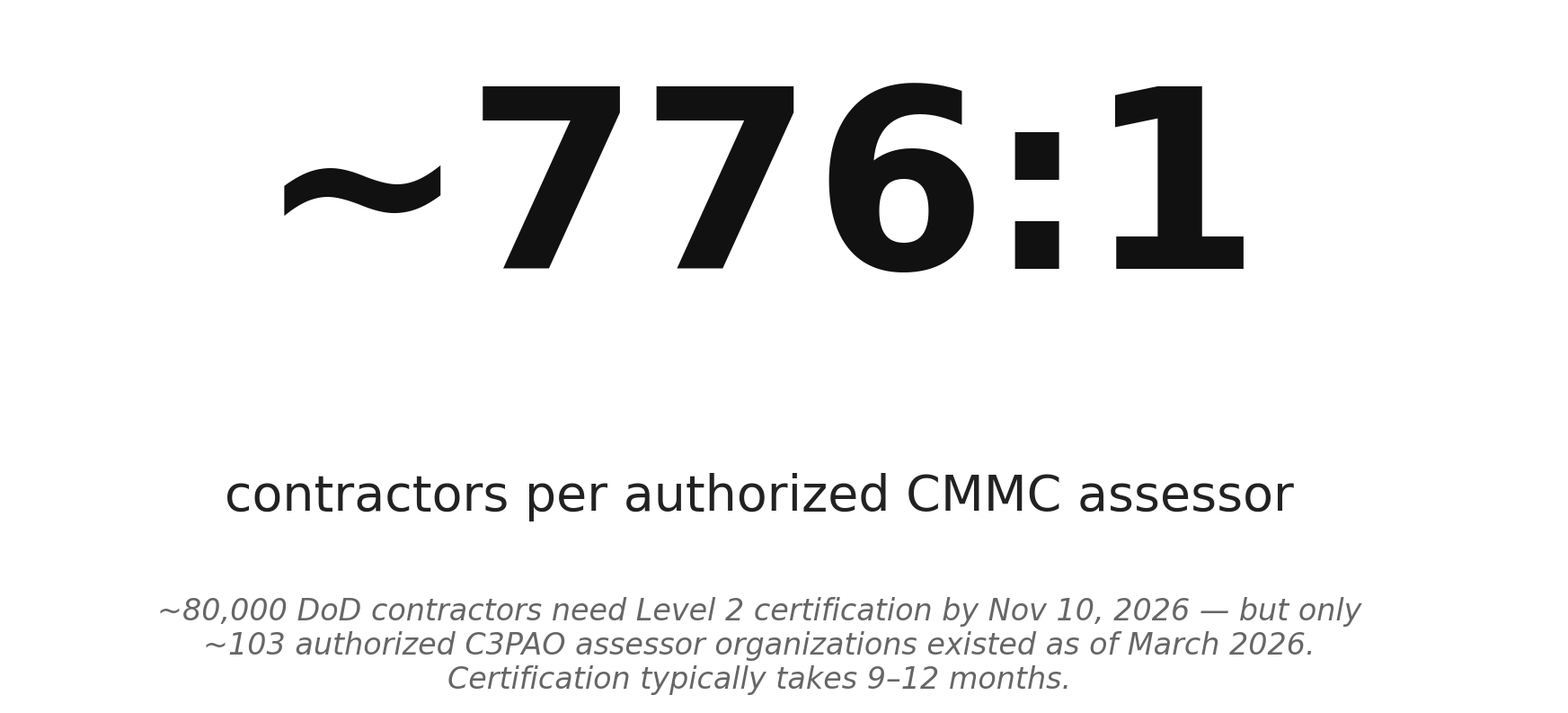
The structural problem is that demand for certified assessors is far outpacing supply. The DoD estimates roughly 80,000 contractors will need Level 2 certification, but as of March 2026 only about 103 authorized C3PAO assessor organizations existed nationwide. Compliance typically requires nine to twelve months of preparation. Any institution that has not begun the process is already operating with almost no margin. South Carolina's Upstate region, which hosts tier-1 and tier-2 suppliers to BMW in Spartanburg, Michelin in Greenville, and Lockheed Martin, faces concentrated exposure: these manufacturers and their supply chains are direct CMMC targets, and IBM's Threat Intelligence Index has ranked manufacturing as the most cyberattack-targeted sector for four consecutive years.
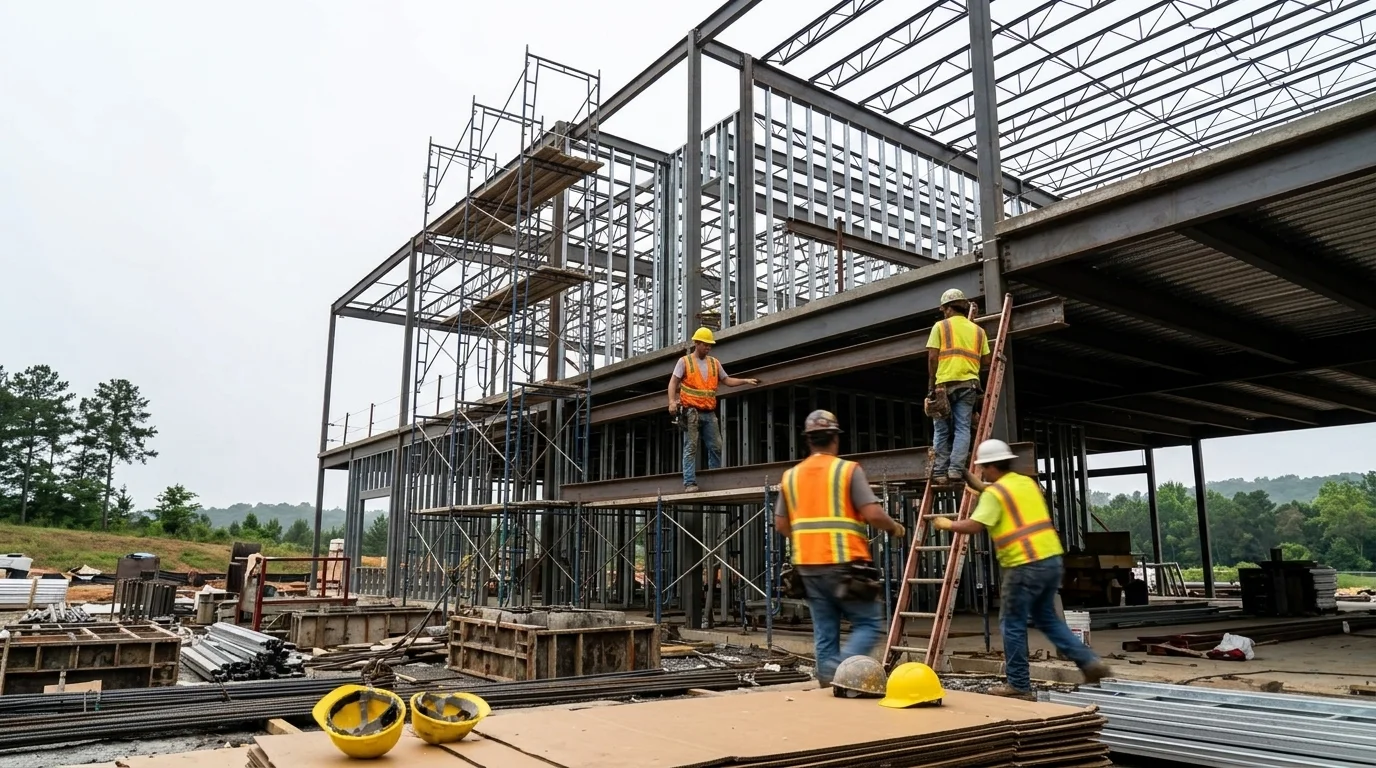
Greenville Technical College is making a $41 million bet that this pressure converts into durable demand for cyber-literate technicians. Its Center for Industrial Cybersecurity and AI, announced earlier this year, received $16 million from the FY2025-26 South Carolina state budget, with the college seeking $30 million in total state support. The center is explicitly designed to serve the BMW-Michelin-Lockheed Martin supply chain, and the college has cited the IBM manufacturing threat ranking directly in its public justification. Construction management services were solicited in July 2026, meaning the physical building will trail the November deadline, but the workforce pipeline it represents is a longer-term play.
The state is also investing at the infrastructure level. South Carolina's State Law Enforcement Division holds two active DHS State and Local Cybersecurity Grant Program awards totaling $7.3 million, awarded in December 2024 and September 2025 and running through 2028 and 2029 respectively. Clemson separately holds a $12.5 million Commerce Department Regional Technology and Innovation Hub grant through 2029, which provides the research backbone for the broader ecosystem the Greenville Tech center is meant to supply with trained workers.
For someone living in the Upstate, the immediate consequence is that the manufacturers anchoring the regional economy are under federal pressure to demonstrate cybersecurity compliance that many of their smaller suppliers have never had to think about before. A tier-2 BMW supplier with 40 employees handling engineering specifications is, under CMMC, a defense contractor that must meet the same basic certification threshold as a large aerospace firm. The compliance cost for a small manufacturer can run into six figures before the first auditor walks in.
For the institutions, the near-term signal to watch is whether USC and Clemson complete their C3PAO assessments before November 10. A university that fails to certify loses eligibility for DoD-funded research contracts, a significant exposure for both flagship institutions. The longer-term question is whether Greenville Tech's new center produces enough credentialed graduates, fast enough, to relieve the assessor bottleneck that is currently forcing those same universities to scramble for outside help. South Carolina is simultaneously on both sides of that bottleneck, and the November deadline does not move.